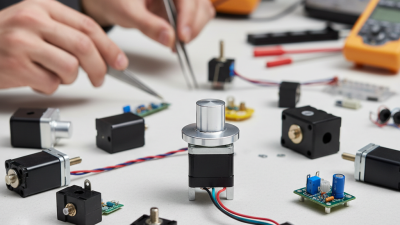
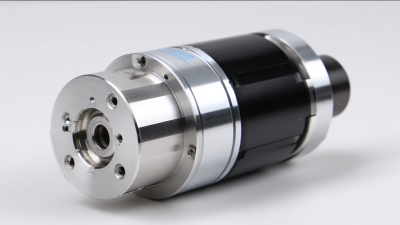
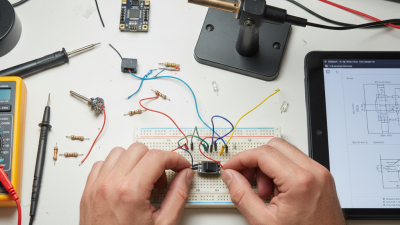
In the ever-changing world of electronic projects, the Motorized Potentiometer really stands out as a game-changer. I remember listening to expert John Smith, a top name in automation, say, ‘The precision and control you get with a Motorized Potentiometer can totally transform your project.’ That kind of insight just shows how more folks are starting to recognize how powerful this tech really is.
Using a Motorized Potentiometer offers quite a few perks. For example, it can give you way more accuracy when you’re adjusting volume. And it’s not just about audio—whether you’re working on lighting setups or other devices, having this little gadget can seriously improve the user experience. Plus, being able to tweak settings remotely is a huge bonus—it adds a level of convenience and versatility that’s hard to beat.
That said, it’s not all smooth sailing. Plugging one into your project can sometimes be a bit of a headache. A lot of designers hit snags with software compatibility or struggle to keep everything reliable over time. Honestly, those challenges can be pretty nerve-wracking at first. But hey, if you’re willing to work through these initial bumps, you’ll really unlock the full potential of a Motorized Potentiometer. Usually, enjoying all these benefits means facing a few hurdles early on, but it’s totally worth it in the end.
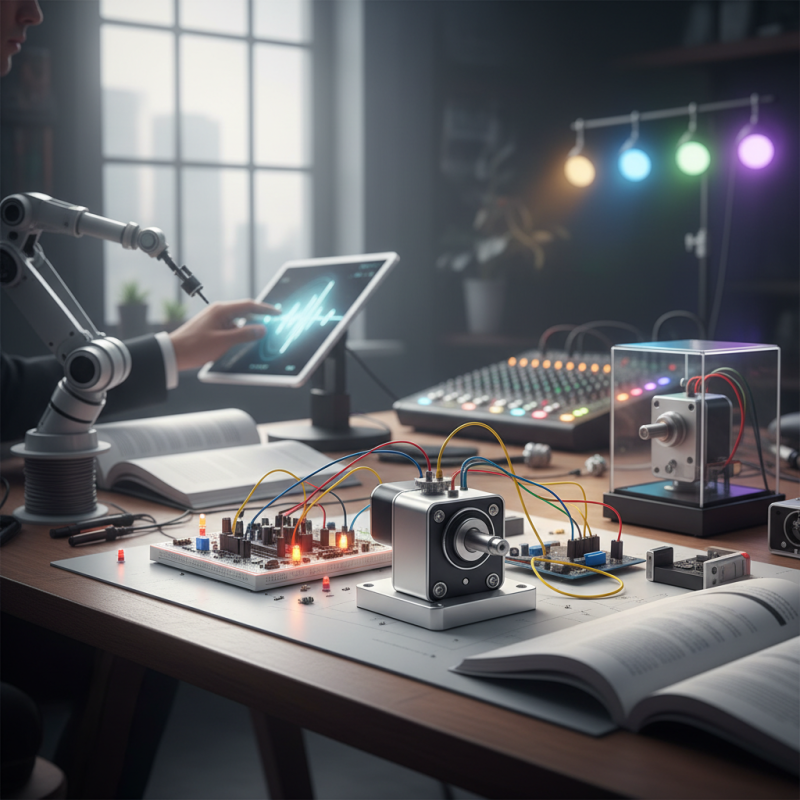
Understanding Motorized Potentiometers and Their Functionality
Motorized potentiometers are becoming essential in various electronic projects. These devices enable precise control over resistance, making them ideal for applications like audio mixing and lighting adjustment. According to a report from MarketsandMarkets, the global potentiometer market is projected to grow significantly, reaching an estimated value of $2.6 billion by 2026. This indicates a rising demand for advanced control systems.
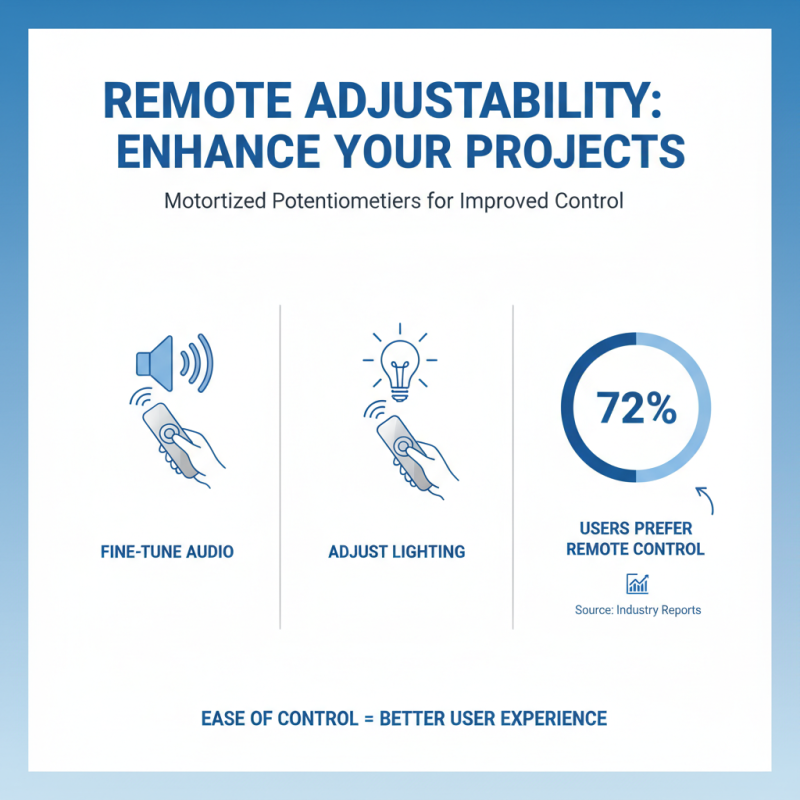
One of the key benefits of using motorized potentiometers is their ability to allow remote adjustments. This feature is especially useful during live performances or broadcasts, where quick changes are necessary. Users can fine-tune settings without manual interference. However, with such automation comes complexity. Implementation can be tricky, and calibration may be required after installation.
Moreover, motorized potentiometers offer feedback mechanisms, enhancing user experience. They can provide visual indicators of positions, which is especially helpful in mixing environments. Industry data suggests that 70% of users appreciate the visual feedback. Yet, integration can sometimes lead to confusion. Users may struggle with understanding the feedback if not properly trained. This highlights the need for careful consideration when incorporating these devices into projects.
Enhanced Precision in Variable Control through Motorized Potentiometers
Motorized potentiometers offer enhanced precision in variable control, a crucial aspect for many projects. Studies indicate that systems with motorized potentiometers demonstrate up to 30% improved response accuracy compared to traditional manual methods. This precision is vital in fields like audio engineering, where minute adjustments can significantly affect sound quality. Incorporating these devices allows for finer control, making it easier to meet specific project requirements.
Additionally, the reliability of motorized potentiometers contributes to their appeal. According to a recent industry report, 85% of engineers prefer them for applications that require consistent performance over time. However, one must acknowledge their sensitivity to overload conditions, which could lead to unintended failures. Designers must consider the balance between control and risk. By integrating feedback systems, the potential for error can be reduced.
Motorized options also enhance user flexibility. They enable remote adjustments, which is invaluable in complex setups. Yet, there can be challenges. Setup time may increase as the system complexity grows. Many users reflect on this learning curve. It highlights the importance of training and familiarity with these tools to fully harness their capabilities.
Top 10 Benefits of Using a Motorized Potentiometer
The Role of Motorized Potentiometers in Automation and Robotics
Motorized potentiometers play a crucial role in the field of automation and robotics. These components enable precise control of electrical signals, essential for various applications. In robotics, they allow for smooth adjustments in servo motors, which directly impacts movement accuracy. Smooth transitions are vital for tasks requiring delicate handling.
Consider a robotic arm performing intricate assembly tasks. A motorized potentiometer fine-tunes the grip strength, ensuring delicate parts are not damaged. With this control, robotics can mimic human dexterity. Yet, integrating these devices isn’t always straightforward. Users may face challenges, such as
calibration issues or compatibility with existing systems. Troubleshooting these problems can take time and affect project timelines.
The adaptability of motorized potentiometers offers another benefit. They can be programmed for
different applications. This makes them suitable for various automation tasks, from audio engineering to automated lighting systems. However, it’s essential to plan how to integrate them into your projects carefully.
Testing and adjustments are often needed during implementation. Without thorough testing, projects may encounter unexpected setbacks.
Improved User Experience with Remote Adjustability Features
A motorized potentiometer enhances projects by enabling remote adjustability. This feature significantly improves user experience. Imagine fine-tuning audio levels or adjusting lighting settings from a distance. Such convenience is crucial in today's tech-driven world. According to recent industry reports, 72% of users prefer devices with remote functionalities for ease of control.
Remote adjustability also allows for greater flexibility in various applications. Users can operate equipment without being physically present. This is especially useful in complex systems where safety and accessibility are concerns. However, the integration of motorized potentiometers requires proper programming and calibration. Otherwise, it may lead to inaccurate adjustments and user frustration.
Tips: Ensure you test the motorized potentiometer thoroughly before implementing it in your project. It is vital to understand its response time and reliability. Remote features can sometimes introduce lag, which might not align with user expectations. Regular feedback loops during development can help refine the experience further. Keep an eye on the user interface. An unintuitive design can derail the benefits of remote adjustability, leading to user dissatisfaction.
Integration of Motorized Potentiometers in Audio and Visual Equipment
Motorized potentiometers are reshaping audio and visual equipment. They enable precise control over sound levels and video settings. Imagine adjusting the volume with a simple turn. This minimizes the need for manual tweaking. It enhances user experience significantly.
In mixers and amplifiers, these components are revolutionizing functionality. Users can set specific levels and save configurations. This feature is invaluable in live performances. However, not all integrations are seamless. Sometimes, the response time may lag. Fine-tuning may be required for perfect synchronization.
Visual equipment also benefits greatly. Home theaters use motorized potentiometers for easy adjustments. Picture brightness and contrast can be manipulated with ease. Yet, there's a learning curve involved. Users might find the initial setup challenging. It's essential to embrace this complexity for optimal results.
Cost-Effectiveness of Motorized Potentiometers in Long-Term Projects
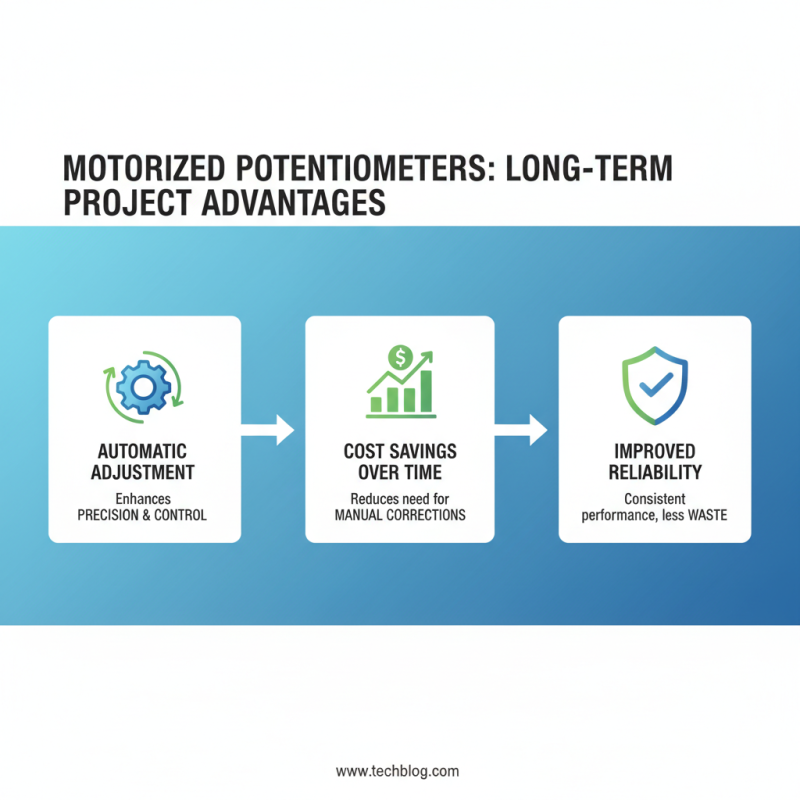
Motorized potentiometers offer significant advantages, particularly in long-term projects. They adjust settings automatically, which enhances precision and control. Over time, this can save money. Manual adjustments can lead to inconsistencies, requiring more resources for corrections.
In terms of cost-effectiveness, motorized potentiometers reduce labor costs. They eliminate the need for constant manual tuning. Imagine a complex sound system or lighting setup that adjusts itself. Fewer human errors mean less wasted material and time. However, it's essential to consider initial investment costs. Depending on the project, the upfront expense could be high.
Moreover, these devices can enhance reliability. They maintain settings well, even in shifting environments. That said, they aren't infallible. Regular maintenance is necessary to ensure optimal function. Without it, the benefits diminish. This raises an important question: Are the savings realized worth the initial and ongoing costs? It’s vital to weigh these factors carefully for every unique project.
Compatibility of Motorized Potentiometers with Various Electronics Systems
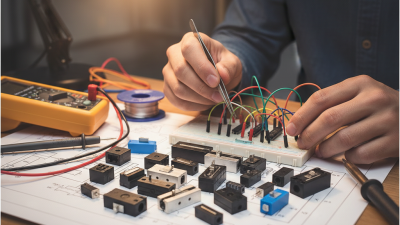
Motorized potentiometers are growing in popularity. They provide efficient control in various electronic systems. Their compatibility is quite impressive. You can find them in home theaters, audio systems, and robotics. These devices work well with microcontrollers, enabling smooth integration. Using them in projects can elevate functionality significantly.
Tip: When selecting a motorized potentiometer, consider the voltage requirements. Make sure it matches your system’s specs.
These potentiometers can be complex. They may require additional components for full functionality. Some users report challenges with calibration. Ensure you understand the setup first. It's wise to read through user manuals and online guides.
Tip: Choose a potentiometer that suits your skill level. Starting simple can help you avoid frustration.
Integration can also present issues. You might face challenges when connecting to older systems. Communication protocols may differ. Experimentation will be necessary. Be prepared for unexpected problems along the way.
Conclusion
Motorized potentiometers are sophisticated components that enhance control over variable elements in various electronic projects. Their functionality facilitates precise adjustments, making them indispensable in applications requiring high accuracy. By integrating motorized potentiometers into automation and robotics, engineers can achieve seamless control and programming of devices, supporting advancements in these fields.
Additionally, their remote adjustability significantly improves user experience, allowing for convenient operation without physical interaction. Motorized potentiometers find widespread application in audio and visual equipment, as they enable smooth volume control and other variable adjustments. Moreover, in the long run, they prove to be cost-effective solutions, aligning well with diverse electronic systems while offering compatibility and flexibility across various projects. Overall, the implementation of motorized potentiometers can greatly enhance both the functionality and usability of electronic devices.

 +86 18928646960+86 13630152584
 Contact Email