inquiry
Leave Your Message
0%

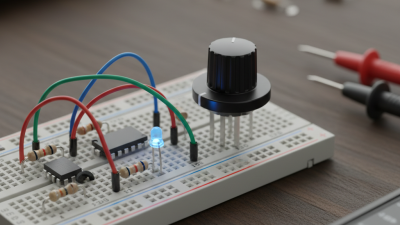
When you're diving into electronics, the Chip Potentiometer really is a tiny but mighty component. It might seem small, but it plays a big role in adjusting voltage levels in your circuits, which can actually make a huge difference in how your project turns out. Getting a good grip on how it works can seriously up your game. Today, you've got tons of options to choose from—brands like Bourns, Vishay, and others are everywhere. But here’s the thing: picking the right Chip Potentiometer isn’t just about grabbing the most popular brand. You gotta look at things like resistance value, tolerance, and all that technical stuff. Often, folks overlook these details, and that’s when things don’t perform as expected. Choosing the right one helps you keep electrical signals precise and controlled. This little guide is here to help you sift through the options, especially with 2026’s latest models. The market can get pretty confusing though—so many options, styles, specs—it’s enough to overwhelm even the most experienced folks. Take your time to figure out what exactly you need; understanding the features and limitations will help you make smarter, more confident decisions. Just remember: not every Chip Potentiometer is a one-size-fits-all kind of thing. Picking the right one depends on your specific project needs.

2026 Best Chip Potentiometer Reviews and Buying Guide?

Understanding Chip Potentiometers: Definition and Functionality

Chip potentiometers are essential components in electronic circuits. They allow for adjustable resistance, which helps in controlling voltage levels. Their functionality is vital in applications like audio systems, sensors, and industrial automation equipment. A report by MarketsandMarkets indicates that the potentiometer market is expected to grow at a CAGR of 3.5% from 2021 to 2026. This growth is attributed to the increasing demand for precise control in electronic devices.

Understanding their definition is crucial. A chip potentiometer consists of a resistive element and a wiper that moves along it. Adjusting this wiper changes the resistance in the circuit, affecting the output signal. According to a study from ResearchAndMarkets, the global demand for high-resolution chip potentiometers is rising. This rise can be challenging. Many manufacturers struggle with achieving consistent quality and durability in production.

Despite their benefits, chip potentiometers face some limitations. They may not perform well in extreme conditions, such as high humidity or temperature fluctuations. Moreover, while they are widely used, their failure can lead to significant circuit malfunctions. Therefore, choosing the right type is not always straightforward. Users often need to weigh the trade-offs between precision and reliability.

Types of Chip Potentiometers: A Comprehensive Overview

2026 Best Chip Potentiometer Reviews and Buying Guide?

When exploring the types of chip potentiometers, it’s crucial to understand their various classifications and applications. Potentiometer 2 represents a category that offers precise voltage control features, making them popular in audio equipment and robotics. According to a recent market analysis, the demand for potentiometers is projected to grow by 5.8% annually, indicating their importance in modern technology.

There are several key types of chip potentiometers. They include digital, analog, and rotary types. Digital potentiometers are renowned for their excellent stability, whereas rotary ones provide reliable user interaction. Each type presents unique advantages and potential drawbacks. Digital models can offer complex features but may sometimes face integration issues with older systems. Analog counterparts are simpler but can lack the precision needed for advanced applications.

Detailed research shows that particular designs may fall short in specific environments. For instance, some potentiometer 2 types may struggle with moisture or temperature variations. Understanding these nuances is essential for optimal performance. Choosing the right type depends on the specific needs of the application and the potential environmental constraints.

Key Features to Consider When Buying Chip Potentiometers

When shopping for chip potentiometers, several key features should be carefully examined. These components are crucial for applications requiring precise resistance adjustments. Notably, the resistance range you choose has a significant impact on performance. A typical range is 1kΩ to 1MΩ, but specific needs might necessitate variations. Flexibility in resistance value allows for better integration into varied circuits.

Durability is another essential factor. Look at the ratings for cycle life and temperature stability. A well-built potentiometer can endure over 100,000 cycles, maintaining accuracy under extreme conditions. This enhances dependability in high-stress environments. A report by Global Industry Analysts indicates that the global potentiometer market is expected to grow by 10% through 2025. This growth signifies increased innovation and competition among manufacturers.

Size and footprint also play a critical role in selection. Smaller components fit compact applications but may sacrifice ease of use. Proper attention here prevents installation issues later. Consider the housing as well; robust designs protect against environmental factors. Be wary that improperly chosen potentiometers can lead to performance loss or circuit failures.

Top Brands for Chip Potentiometers in 2026

The chip potentiometer market is evolving rapidly. According to a recent industry report, global demand is expected to grow by 5% annually. By 2026, this growth could be significant. Various sectors, including automotive and consumer electronics, are driving this trend. Manufacturers are focusing on enhancing precision and miniaturization, which is critical in chip potentiometers.

Top brands in 2026 will likely prioritize innovation. They are expected to use advanced materials and techniques to improve their products. Many consumers desire reliable performance at competitive prices. The Co Potentiometer is becoming a popular choice due to its reliability and versatility. As industry standards change, some brands may struggle to keep up.

Not all products perform equally. Some chip potentiometers may lack durability under extreme conditions. This inconsistency can lead to frustrations for users. Therefore, thorough market analysis is crucial. Consumers must consider both performance and reliability when choosing. Reliability tests and user reviews will play a role in making informed decisions.

User Reviews: What Consumers Are Saying About Chip Potentiometers

User reviews reveal some key insights about chip potentiometers. Many consumers appreciate their compact design. This feature allows for easy integration into various electronic projects. Users often highlight the smooth operation of the adjustment knob. It can enhance user experience, especially in audio applications.

However, not all feedback is positive. Some users report issues with calibration. The resistance values may vary slightly from the labeled specifications. This inconsistency can lead to frustration. Yet, others find that slight adjustments easily solve these problems. It's vital to check reviews before buying.

Tips: When selecting a chip potentiometer, evaluate user experiences. Look for mentions of durability and ease of installation. Pay close attention to reports of inconsistencies in resistance values. Doing your research might save headaches later on.

Best Applications for Chip Potentiometers in Various Industries

2026 Best Chip Potentiometer Reviews and Buying Guide?

Chip potentiometers are essential components in various industries. Their ability to control voltage levels makes them versatile. With applications ranging from automotive to consumer electronics, they provide precise adjustments. In automotive systems, they help regulate sensor inputs, ensuring safety and functionality. They can affect overall performance, which can sometimes lead to undesirable outcomes.

In the audio industry, chip potentiometers adjust the volume levels in devices. They enable a smooth transition in sound, which enhances user experience. For example, a poorly selected potentiometer may introduce static noise. This can detract from the audio quality, making it vital to choose wisely. Similarly, in home appliances, these components can optimize energy usage.

Some applications may not fully leverage their potential, leading to inefficiency. In industries like telecommunications, they play a critical role in signal control. However, if not implemented correctly, issues can arise. The performance of a Led Potentiometer can be affected by various factors. Designers need to consider these aspects carefully. There’s always room for improvement in selecting the right specifications for optimal results.

Maintenance Tips for Longevity of Chip Potentiometers

Chip potentiometers are essential in many electronic applications. To ensure their longevity, regular maintenance is crucial. Dust and debris can accumulate over time. A simple wipe with a soft, dry cloth can prevent buildup. This keeps the connections clean. However, some may overlook this step. It’s easy to forget, but essential for peak performance.

Moisture can also be damaging. Storing components in a dry place is a must. If they get wet, it can lead to corrosion. Using silica gel packets in storage can help absorb excess moisture. Sometimes, minor issues arise. A little more attention can prevent bigger problems later. Checking the wiring connections periodically can save time and energy.

Temperature fluctuations can affect performance as well. Keeping your setup in a stable environment is ideal. Extreme heat or cold can reduce the lifespan of chip potentiometers. Always strive for a moderate climate. Using a 360 Potentiometer may require different considerations. Reflect on the conditions where you use them. Each detail matters in maximizing their useful life.

FAQS

: What is the importance of resistance range in chip potentiometers?

: The resistance range significantly impacts performance, typically from 1kΩ to 1MΩ. Selecting the right range is crucial.

How durable are chip potentiometers?

They should endure over 100,000 cycles and remain stable under extreme temperatures. Durability affects long-term reliability.

What factors should be considered for size and footprint?

Smaller components fit in compact spaces but can complicate installation. Balance is critical to avoid future issues.

How do chip potentiometers function in automotive systems?

They regulate sensor inputs, which enhance safety and functionality. Poor choices can negatively impact vehicle performance.

What role do they play in the audio industry?

Chip potentiometers adjust volume levels, ensuring a smooth transition in sound. A bad selection can introduce static noise.

Can chip potentiometers optimize energy use in home appliances?

Yes, they help manage energy efficiently. However, improper selection may lead to inefficient energy consumption.

What are the implications of improper implementation in telecommunications?

They play a critical role in signal control. Incorrect implementation can lead to significant performance issues.

Are there common inefficiencies in using chip potentiometers?

Some applications may not fully utilize their capabilities, resulting in wasted potential and performance loss.

How can environmental factors affect potentiometer performance?

Robust housing designs protect against external conditions. A lack of protection can lead to circuit failures.

What areas need improvement in selecting chip potentiometers?

Designers should carefully consider specifications for optimal results. Constant evaluation leads to better application outcomes.

Conclusion

The article "2026 Best Chip Potentiometer Reviews and Buying Guide" provides a comprehensive overview of chip potentiometers, explaining their definition and functionality in various applications. It categorizes the different types of chip potentiometers available on the market and highlights essential features to consider when making a purchase, ensuring users can make informed decisions.

Furthermore, the article examines the best brands of chip potentiometers for 2026, enriched with user reviews that reflect consumer sentiments and experiences. It also identifies ideal applications across various industries, emphasizing the versatility of chip potentiometers. To maximize the lifespan of these components, the article concludes with practical maintenance tips, ensuring users can maintain optimal performance for their chip potentiometers over time.
Ethan

Ethan

Ethan is a dedicated marketing professional at our company, recognized as a leading enterprise in the Chinese Mainland. With extensive expertise in our product lines, he plays a vital role in showcasing the strengths of our comprehensive business model, which encompasses everything from product......
Previous Unlocking Precision: How the Switch Potentiometer Revolutionizes Control Systems