When you're starting an electronic project, one of the big decisions you'll face is picking the right switches. These little components might seem simple, but they really impact how well your device works, how reliable it is, and how good the user experience turns out to be. As John Smith, a well-known expert in electronic design at Tech Innovations, puts it, "Choosing the right switches is key to making sure everything runs smoothly and safely." That really highlights just how important it is to give some thought to your switch choices since they play such a crucial role in your device's overall performance.
In the world of electronics — where precision and dependability are everything — understanding the different types of switches out there is super helpful, whether you're an engineer or just a tech hobbyist. Things like the project’s purpose, the environment it'll be used in, and the electrical specs of your components can all shake up how well everything performs. Making a smart choice here not only means your project will work more efficiently but can also help it last longer. So, as we go through this detailed guide, I’ll share some key tips and things to keep in mind when selecting switches to make sure they match what you’re looking for and fit your project's needs.
Understanding the Role of Switches in Electronic Circuits
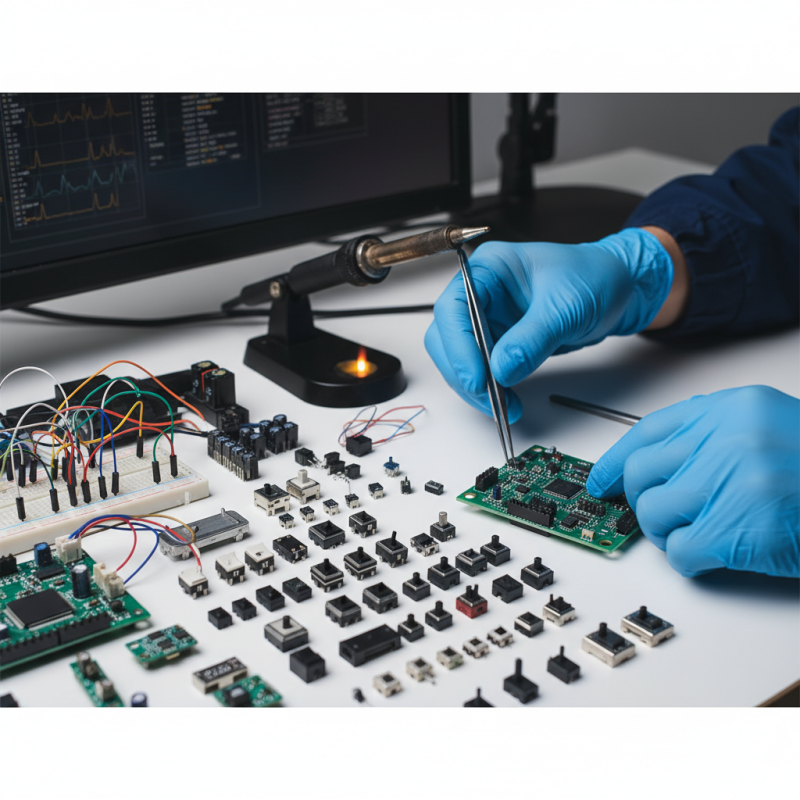
Switches are fundamental components in electronic circuits, playing a crucial role in controlling the flow of electricity. They act as the gatekeepers, allowing or interrupting the passage of electrical current to various parts of a circuit. This functionality is essential for the operation of devices, enabling features like power control, mode selection, and signal routing. In essence, switches determine how and when other components in a circuit engage, thus influencing the overall performance and efficiency of an electronic project.
Understanding the various types of switches is vital for selecting the right component for a specific project. Switches can vary significantly in terms of their mechanism, such as mechanical, electronic, or switch types like toggle, push-button, and rotary. Each type offers distinct advantages and is suited for particular applications. For instance, mechanical switches are often favored for their tactile feedback and reliability, while electronic switches are preferred for their compact size and reduced power consumption. Knowing the intended application and the desired characteristics, such as actuation force, durability, and environment, will guide you in selecting the most appropriate switch to meet the demands of your electronic projects.
Types of Switches: An Overview of Common Variants
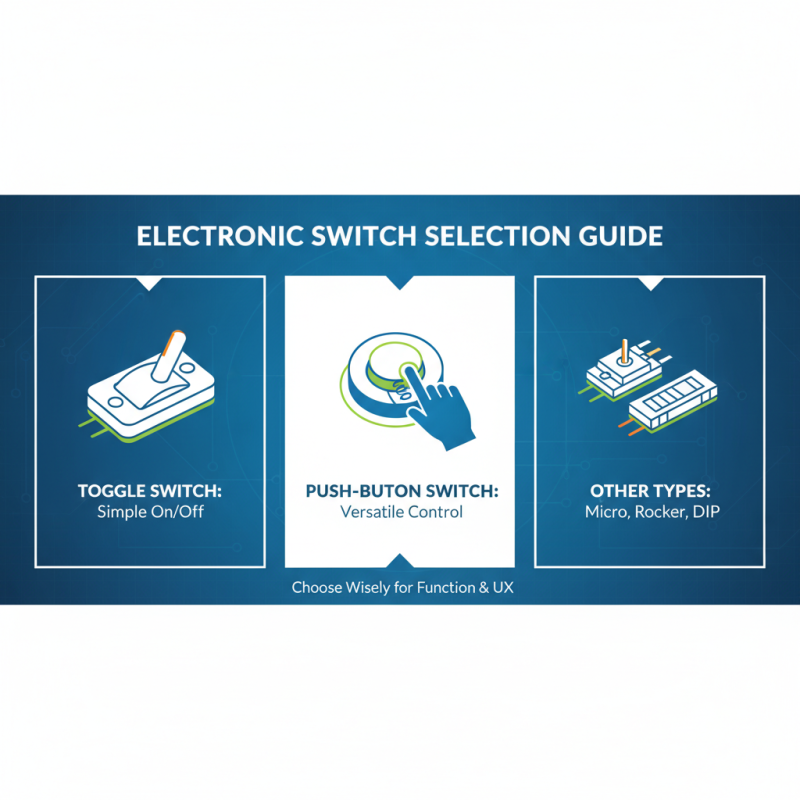
When embarking on an electronic project, selecting the right switch is crucial for functionality and user experience. Various types of switches exist, each serving specific purposes. For example, toggle switches are prevalent for their ease of use, providing a simple on/off mechanism. Push-button switches, on the other hand, offer versatility and can be used in applications ranging from consumer electronics to complex automation systems.
Another common variant is the rotary switch, which allows users to select between different circuit paths by rotating a knob. This type of switch is particularly useful in applications where multiple settings are required, such as in audio equipment. Lastly, momentary switches activate only while being pressed, making them ideal for temporary actions, like triggering a function in a user interface.
**Tips:** When choosing a switch, consider the load and voltage specifications of your project to ensure compatibility. Also, think about the physical space within your project; some switches require more room than others. For custom projects, always simulate the circuit first to verify the performance of the chosen switch type before finalizing your design.
Factors to Consider When Choosing Switches for Projects
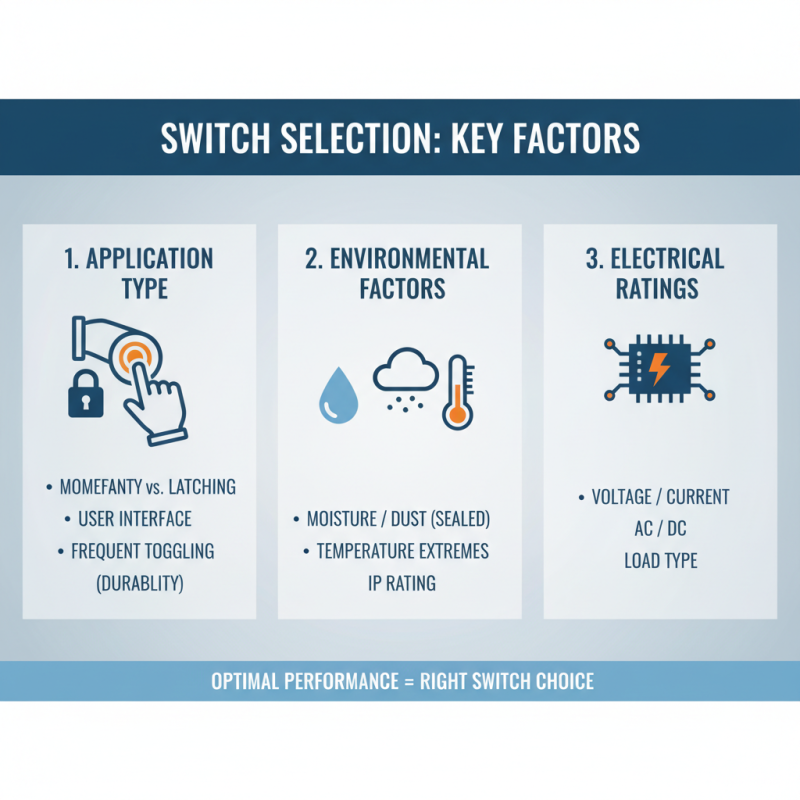
When selecting switches for your electronic projects, several key factors should be considered to ensure optimal performance. First and foremost, assess the type of application and the environment in which the switch will operate. Different projects may require momentary or latching switches, and understanding the user interface is crucial. For instance, if the switch will be frequently toggled, a robust design that withstands wear and tear over time is essential. Additionally, environmental factors such as moisture, dust, and temperature extremes can influence the switch type. Opting for sealed switches or those with appropriate ratings can significantly enhance durability.
Another important aspect to consider is the electrical specifications. Check the voltage and current ratings to ensure the switch can handle the load of your project. It's crucial to match these ratings with the components in your circuit to prevent failures. Furthermore, consider the physical dimensions and mounting style of the switch. It's vital that the switch fits within your design constraints and that its operation is comfortable for users. Testing different options can also provide insight into which switch feels best and meets the requirements of your project, ensuring both functionality and user satisfaction.
Evaluating Electrical Ratings and Specifications
When selecting the right switches for electronic projects, understanding electrical ratings and specifications is crucial. The key parameters to consider include voltage rating, current rating, and power rating. According to industry standards, the voltage rating indicates the maximum voltage the switch can handle without breaking down, while the current rating reflects the maximum continuous current it can carry without overheating. It's important to select switches with ratings that exceed the requirements of the specific application to ensure reliability and longevity. For instance, if a project requires a maximum load of 10A at 120V, a switch rated for 15A or higher at this voltage would be advisable to prevent potential issues.
Moreover, the contact material and configuration play significant roles in switch performance. Different materials, such as gold, silver, or bronze, exhibit varying conductivity and durability, impacting how well they can handle different loads. Reports from the Electric Switch Industry Association indicate that more than 40% of switch failures are related to poor contact material choices, leading to increased resistance and heat generation. Additionally, the mechanical life of a switch, which is often rated in cycles, provides insight into its expected lifespan. Selecting components with higher mechanical ratings can further enhance the durability of your electronic project, ensuring it meets performance expectations over time.
Examining Mechanical Features and Compatibility
When selecting switches for electronic projects, understanding mechanical features and compatibility is crucial. Different switch types, such as tactile, linear, and clicky, cater to various applications. Tactile switches are favored for their feedback, making them ideal for applications where users need to feel a response. In contrast, linear switches are smoother and quieter, suitable for projects requiring stealth or rapid keystrokes. According to a recent industry report, approximately 60% of electronic developers prioritize tactile feedback when selecting switches, underscoring the importance of user experience in design.
Compatibility is another vital aspect to consider. It involves not only the switch's physical dimensions but also its electrical ratings. Ensuring that the switch can handle the required voltage and current for your project is essential to prevent failures. Many switches are rated for specific applications; for example, those designed for microcontrollers may have lower power ratings than those intended for consumer electronics. A study published in the Electronic Components Journal found that projects with mismatched ratings experienced a 30% higher failure rate during testing phases.
Tips: When choosing switches, verify their compatibility with your board layouts, particularly pin configurations and mounting styles. Additionally, prototype with a variety of switch types to understand their feel and performance during actual use. Lastly, keep user preferences in mind by conducting surveys or gathering feedback from your target audience on preferred switch types.
Switch Positioning: Configurations for Optimal Performance
When designing electronic projects, the positioning of switches is crucial for ensuring optimal performance. The configuration of switches can significantly impact the overall functionality and reliability of a device. According to a recent industry report from the International Electrotechnical Commission (IEC), improper switch positioning can lead to failures in 20% of electronic prototypes, underscoring the importance of thoughtful design choices.
Different configurations, such as single-pole double-throw (SPDT) or double-pole double-throw (DPDT) switches, can affect how devices respond under various scenarios. For example, SPDT switches can easily redirect circuits, making them ideal for applications requiring a simple control mechanism, while DPDT switches enable more complex operations. Furthermore, the physical placement of these switches should consider user accessibility and operational ease, as improperly positioned switches can contribute to user errors and dissatisfaction. In a survey by the Consumer Electronics Association (CEA), 35% of users reported difficulty with device operation due to inconveniently located control switches, indicating that ergonomic considerations are paramount in electronic design.
Moreover, implementing advanced switch configurations can enhance equipment reliability. Utilizing momentary switches in scenarios where frequent toggling is necessary can prolong the lifespan of the components involved. Statistics show that devices with well-optimized switch arrangements can experience a 15% increase in operational longevity and a 25% reduction in failure rates. By taking these factors into account, designers can create more robust and user-friendly electronic devices that meet the demands of modern technology.
Tips for Integrating Switches into Your Designs
When integrating switches into electronic designs, it’s essential to consider several key factors that can influence the performance and reliability of your project. According to a recent industry report by Research and Markets, the global electronic switch market is expected to grow significantly, highlighting the increasing importance of selecting the right components. Key considerations include the type of switch, the application requirements, and environmental factors such as temperature and humidity, which can impact the switch's lifespan and functionality.
Tips for Integration:
First, ensure that the switch’s rating aligns with the operational requirements of your project. High-load applications should utilize switches rated for greater than anticipated current and voltage to prevent failure. Additionally, consider the interface design—switches should be positioned for easy access, contributing to user convenience and safety.
Second, think about the switch’s actuation type. For projects requiring precision, tactile switches provide a clear feedback mechanism, crucial for user interaction. Leveraging solid-state switches can enhance durability and minimize wear over time, making them ideal for high-cycle applications. Ultimately, the right integration strategy can improve not only functionality but also user satisfaction, contributing to the project's success.
FAQS
: Key factors include voltage rating, current rating, power rating, contact materials, configuration, and mechanical life of the switch.
Selecting switches with higher ratings ensures reliability and longevity, helping to prevent potential failures related to overheating and breakdown.
Different contact materials, such as gold, silver, or bronze, have varying conductivity and durability, which can affect how well a switch handles loads and can lead to failure if poorly chosen.
Mechanical life refers to the number of cycles a switch is rated for, providing insight into its expected lifespan and durability over time.
Environmental factors such as temperature and humidity can impact the switch's lifespan and functionality, making it essential to take these into account during selection.
Switches should be positioned for easy access to enhance user convenience and safety.
For high-load applications, switches rated for greater than anticipated current and voltage are recommended to prevent potential failures.
Tactile switches provide clear feedback, which is crucial for user interaction and precision in applications.
Solid-state switches enhance durability and minimize wear over time, making them ideal for high-cycle applications.
A well-planned integration strategy can improve functionality, enhance user satisfaction, and contribute to the overall success of the project.
Conclusion
When embarking on electronic projects, selecting the appropriate switches components is crucial for ensuring functionality and reliability. Understanding the role of switches in electronic circuits provides a foundation for grasping how they control the flow of electricity. Various types of switches, including toggle, push-button, and rotary variants, each serve unique purposes.
When choosing switches components, several factors must be considered, such as electrical ratings, mechanical features, and compatibility with existing designs. Evaluating these specifications helps in making informed decisions that optimize performance. Additionally, strategic switch positioning can enhance user experience and accessibility in circuit designs. With the right approach, integrating switches into electronic builds can elevate the overall effectiveness and efficiency of the project.

 +86 18928646960+86 13630152584
 Contact Email