Picking the right Rotary Sensor can really make or break your project. Honestly, with so many types out there, each with their own little quirks and features, it can feel pretty overwhelming at first. But don’t worry—that understanding what each one offers is super important if you want to make a good, informed choice.
When you're choosing a rotary sensor, think about what your project actually needs. Things like how precise it has to be, the range it should cover, or even the size and shape—these all matter a lot for how well it performs. For example, if you need super detailed measurements, a high-resolution sensor’s probably your best bet. On the other hand, if you're dealing with tough, harsh conditions, you might want something more rugged and built to last. Also, keep in mind the environment where it’ll be used—sometimes little details like temperature or vibration get overlooked and can cause issues down the line.
Getting some advice from pros can really help. Companies like Analog Devices and Honeywell often provide solid, detailed specifications that make it easier to compare options. Just a heads up, though — user reviews and technical support can vary quite a bit, so taking your time to do a bit of research is definitely worth it. In the end, a well-informed decision leads to better results and a smoother experience with your rotary sensor.
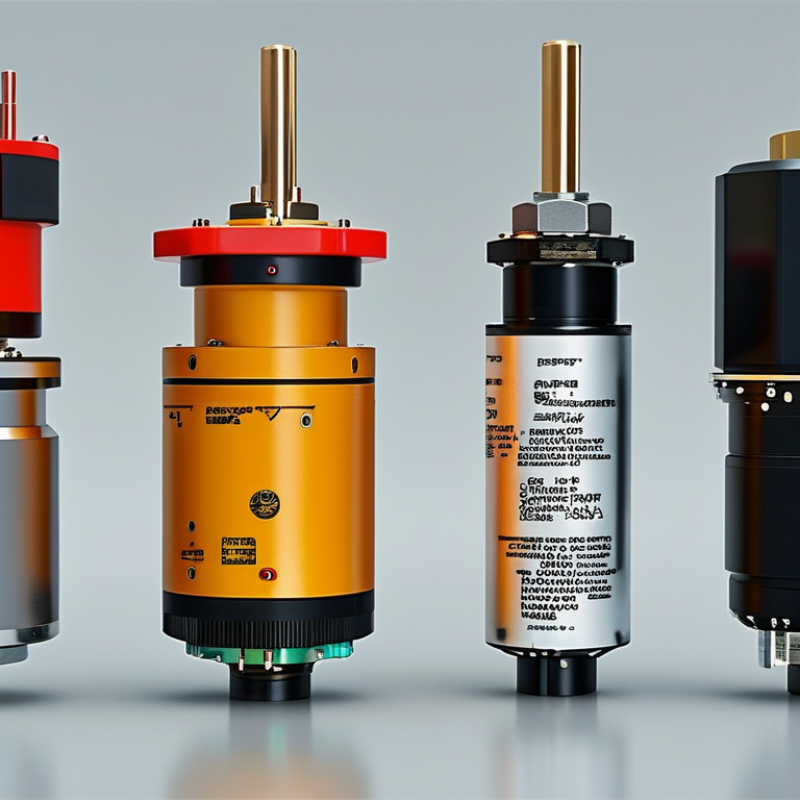
Factors to Consider When Selecting a Rotary Sensor for Industrial Applications
Choosing the right rotary sensor is crucial for industrial applications. Various factors should guide your selection process. One vital consideration is the sensor type. Different rotary sensors use various measurement principles, like optical or magnetic. Understanding these differences will ensure you pick the one that best fits your needs.
Reliability is another key aspect. Industrial environments can be harsh. Look for sensors that are durable and resistant to dust, moisture, and temperature fluctuations. A reliable sensor can prevent costly downtimes and provide accurate measurements consistently.
Tips: Always check the sensor's specifications, including resolution and accuracy. Make sure it aligns with your project requirements. Additionally, consider the installation process. Some sensors require more space or complex setups. Lastly, evaluate after-sales support and warranty.
The performance of your Sensor Rotary should not be overlooked. Review past projects and experiences that relate to your choice. A sensor might excel on paper but fail under specific conditions. Reflection on your needs and experiences will lead to a more informed decision.
Understanding Different Types of Rotary Sensors and Their Use Cases
Understanding different types of rotary sensors is crucial for selecting the right one. There are several common types, including potentiometric, magnetic, and optical sensors. Potentiometric sensors provide accurate position data but may wear out over time. They are suitable for applications requiring moderate rotation. In contrast, Rotary Hall Sensors are known for their durability. These sensors are resistant to shock and can operate in harsh environments, making them ideal for industrial applications.
Magnetic sensors utilize a magnetic field to detect rotation. They are highly reliable and can offer high precision. For example, a report by MarketsandMarkets states that the market for magnetic rotary sensors is projected to grow at a CAGR of around 8% from 2020 to 2025. This growth reflects the increasing demand for automation and sensor technology in various sectors, including automotive and robotics.
Optical sensors, on the other hand, excel in precision but may be sensitive to dust and light interference. They are often used in equipment requiring fine measurements. Choosing the right sensor requires careful consideration of the application's specific needs. Factors such as environment, required accuracy, and lifespan should influence your decision. Balancing these requirements with the available technology can be challenging but essential for achieving optimal performance.
How to Choose the Best Rotary Sensor for Your Needs?
| Sensor Type |
Measurement Range |
Output Type |
Typical Use Cases |
Accuracy |
| Incremental Rotary Sensor |
360° |
Digital (Pulse) |
Motor Control, Robotics |
±1° |
| Absolute Rotary Sensor |
360° |
Analog/Digital |
Position Feedback, Industrial Applications |
±0.5° |
| Magnetic Rotary Sensor |
360° |
Analog Voltage |
Automotive Applications, Robotics |
±0.2° |
| Optical Rotary Sensor |
360° |
Digital (Quadrature) |
CNC Machines, Precision Motion Control |
±0.1° |
Key Specifications to Evaluate: Resolution, Range, and Accuracy in Sensors
When selecting a rotary sensor, key specifications play a crucial role. Resolution, for instance, refers to the smallest detectable change in position. A higher resolution means greater detail in measurements, crucial for precision applications. In contrast, a lower resolution might suffice for simpler tasks. Consider your specific needs carefully.
Range is another critical factor. It defines the span over which the sensor can accurately measure rotational movement. Ensure that the range aligns with your project requirements. A sensor with a limited range may miss vital data. Accuracy, or how closely the sensor's output matches the true position, also significantly impacts performance. Low accuracy can lead to errors, which can be costly in applications like robotics or industrial automation.
Evaluate these specifications thoroughly. Each application may prioritize different aspects. Some users might focus on resolution, while others may find range more pressing. Understanding these nuances can guide you to a more appropriate choice. Achieving the right balance among these options often requires trial and error. Perhaps, even after careful assessment, the chosen sensor may not meet all expectations. Adjustments and re-evaluation might be necessary for optimal performance.
Comparing Traditional vs. Digital Rotary Sensors: Benefits and Drawbacks
When selecting between traditional and digital rotary sensors, understanding their distinct advantages and disadvantages is crucial. Traditional rotary sensors, often utilizing potentiometer technology, are reliable and cost-effective. According to a report by IDTechEx, nearly 40% of sensors in industrial applications still rely on analog methods. These sensors provide a simple and effective solution for basic rotational measurements. However, their susceptibility to wear and degradation over time can lead to inaccuracies.
In contrast, digital rotary sensors are gaining traction due to their precision and durability. They often incorporate optical or magnetic encoding, as highlighted in a study by MarketsandMarkets. This research shows that the market for Rotary Encoder Sensors is projected to grow at a compound annual growth rate (CAGR) of 7% over the next five years. Digital sensors can offer better resolution and faster response times, but they tend to be more expensive. Despite their advantages, users must consider the complexity of integration and potential compatibility issues.
Some engineers prefer the simplicity of traditional methods, while others embrace the technological advancements of digital sensors. A balance often needs to be struck between cost and performance. Ultimately, careful evaluation of application requirements and constraints can guide the selection process. This reflection is essential in an industry that values both reliability and innovation.
Impact of Environmental Conditions on Rotary Sensor Performance
Environmental conditions significantly influence the performance of rotary sensors. Factors such as temperature, humidity, and mechanical vibrations can impact sensor accuracy and longevity. For instance, high humidity can lead to corrosion and short-circuiting in sensors. According to a recent industrial report, approximately 35% of rotary sensor failures are linked to adverse environmental factors.
Temperature extremes can affect sensor readings. The ideal operating range typically falls between -20°C to 70°C for many sensors. Outside this range, accuracy diminishes. In some cases, performance can degrade by as much as 10% for every 10°C shift from the optimal range. Notably, thermal expansion can alter mechanical properties, resulting in misalignment during operation.
Rotary sensors installed in harsh conditions require careful selection. Environmental ratings matter, particularly in industrial settings. Dust, liquid exposure, and shock resistance should be evaluated based on application needs. It’s crucial to consider these factors. Ignoring them often leads to unexpected sensor failures, highlighting the need for thorough assessments before making a choice.
Industry Standards and Certifications for Quality Assurance in Sensors
When selecting a rotary sensor, industry standards and certifications play a vital role in ensuring quality. These guidelines ensure that sensors, like the Knob Sensor, meet specific performance and safety criteria. Understanding these standards is crucial, especially since not all sensors are created equal. Certification from organizations, such as ISO or CE, can indicate reliability.
Quality assurance in sensors encompasses various aspects. Manufacturers often seek compliant materials and processes. Open design standards allow easier verification of sensor accuracy. It is essential to pay attention to calibration requirements as well. A poorly calibrated Knob Sensor can lead to significant measurement errors.
While many sensors boast certifications, not all are effective in real-world applications. It is worth scrutinizing how the sensors perform under stress. Test reports from third-party labs can provide insights that certifications alone might not reveal. Investing time in research will go a long way in choosing the right sensor for your needs.
Cost Considerations: Balancing Budget with Performance Requirements
Choosing the right rotary sensor involves balancing cost with performance. The market shows that costs can vary significantly. A basic sensor may start at around $50, while high-performance options exceed $500. This price range reflects differences in precision, durability, and application suitability. According to industry reports, performance is often prioritized in critical applications, where accuracy can influence overall system performance.
Budget constraints often lead to difficult decisions. A cheaper sensor may save initial costs, but could lead to failures or inefficiencies later. In fact, research indicates that 40% of companies reported that low-cost sensors resulted in increased downtime. Moreover, maintenance costs can escalate when using subpar sensors. Thus, investing in the right rotary sensor can yield long-term savings despite the higher upfront cost.
Another consideration is the intended application. For example, medical and aerospace industries demand the highest reliability and precision. These applications justify spending on superior technology. Conversely, less critical applications may allow for more economical choices. Ultimately, evaluating the requirements and potential trade-offs is essential for informed decision-making. A thorough analysis can prevent future regrets and costly mistakes in sensor selection.
FAQS
: Common types include potentiometric, magnetic, and optical sensors, each serving different needs.
Potentiometric sensors provide position data but can wear out over time. They fit moderate rotation applications.
Magnetic sensors are durable and precise, making them suitable for harsh environments like industrial applications.
Optical sensors excel in precision but can be affected by dust and light interference, impacting accuracy.
Consider the environment, required accuracy, lifespan, and the specific application to guide your selection.
Higher resolution means better detail in measurements. It’s crucial for precision applications to avoid costly errors.
The range defines how much rotation a sensor can measure accurately. A limited range may miss vital data.
Initial savings on cheaper sensors can lead to long-term costs due to failures or increased maintenance needs.
In fields like medical or aerospace, reliability justifies higher costs due to their critical performance requirements.
Adjustments and re-evaluation may be necessary to ensure optimal performance and address any shortcomings.
Conclusion
Selecting the right rotary sensor for industrial applications involves careful consideration of multiple factors. Understanding the different types of rotary sensors and their specific use cases is essential for making an informed choice. Key specifications such as resolution, range, and accuracy must be evaluated to ensure that the sensor meets the performance requirements of the application. Additionally, comparing traditional and digital rotary sensors reveals their respective benefits and drawbacks, helping users make a decision based on their operational needs.
Environmental conditions also play a significant role in the performance of rotary sensors, and it is crucial to consider how these factors might affect accuracy and reliability. Furthermore, adherence to industry standards and certifications can provide a layer of quality assurance, ensuring the selected sensor can operate effectively in its intended environment. Ultimately, cost considerations must balance budget constraints with performance needs, guiding the selection of the most suitable rotary sensor for specific industrial tasks.

 +86 18928646960+86 13630152584
 Contact Email


