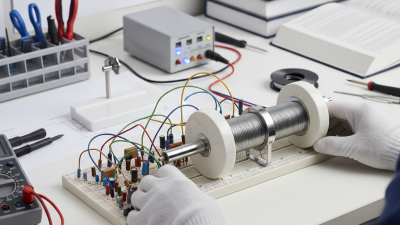
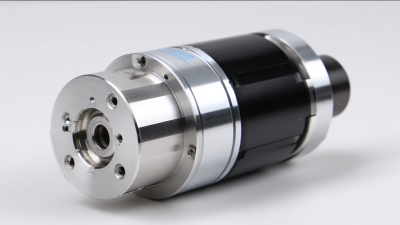
When you're diving into an electronics project, one component that really can make a big difference in how well it works is the Direct Slide Resistor. It's pretty versatile, and basically, it helps you tweak the electrical resistance, which then controls the current and voltage stuff in your circuit. Choosing the right one for your project? Yeah, that can feel a bit overwhelming with all the specs and ratings out there. There’s a ton to look at, so it’s easy to get lost.
To make things easier, understanding some basics—like the resistance range you need, how much power it can handle, and its size—can really help you pick something that fits just right. Don't forget, stuff like where you’re gonna use it and how tough it needs to be—like, will it face rough conditions or lots of mechanical wear?—are super important too if you want it to last.
In this little guide, I’ll walk you through the main things to keep in mind when choosing a Direct Slide Resistor. The goal? To help you get the most out of your project, making it both efficient and reliable. Whether you’re a seasoned pro or just messing around with DIY electronics, hopefully, this info gives you the confidence to pick the perfect resistor for whatever you’re working on.

Understanding Direct Slide Resistors and Their Applications
Direct slide resistors, also known as variable resistors or rheostats, play a crucial role in numerous electronic applications, allowing for the adjustment of circuit resistance in real time. Their functionality is essential in various sectors including automotive, telecommunications, and consumer electronics. According to a report by Grand View Research, the resistors market is expected to grow significantly, with the increasing demand for advanced electronic devices. This underscores the importance of selecting the most suitable direct slide resistor for your specific project needs.
In applications such as motor controls, audio equipment, and lighting systems, direct slide resistors provide both flexibility and precision. For instance, their use in dimmer switches enables users to adjust lighting levels seamlessly. Furthermore, a study by MarketsandMarkets highlights that the ability of direct slide resistors to handle varying loads and temperatures makes them indispensable in industrial applications where operational reliability is paramount. An understanding of the resistance range, power ratings, and environmental conditions can help engineers and designers make informed choices, ensuring optimal performance and longevity in their projects.
Direct Slide Resistor Applications Comparison
This bar chart illustrates the distribution of various applications for direct slide resistors in different projects. Each bar represents the number of projects utilizing slide resistors across five common applications.
Key Specifications to Consider for Direct Slide Resistors
When selecting a direct slide resistor for a project, several key specifications must be evaluated to ensure optimal performance and compatibility. First and foremost, the resistance value is crucial; it dictates how much current will flow through the circuit. The resistance is typically measured in ohms, and understanding the range required for your specific application will help narrow your options.
Additionally, the power rating of the resistor is imperative; it indicates the maximum amount of power the resistor can dissipate without overheating. Choosing a resistor with an appropriate power rating relative to the expected load is necessary to avoid potential damage and ensure longevity.
Another important aspect is the tolerance level of the resistor, which expresses how much the resistor's actual resistance can deviate from its nominal value. Low tolerance values are essential for precision applications where exact resistance is critical, whereas higher tolerance may suffice for less sensitive projects. Furthermore, consider the physical size and form factor of the resistor, as this can impact its integration into your design.
Finally, examining the temperature coefficient is vital, especially in environments subject to temperature fluctuations, as this affects how the resistor's value changes with temperature variations. Taking these specifications into account will guide you in selecting the most suitable direct slide resistor for your needs.
How to Measure Resistance Values Accurately
Measuring resistance values accurately is essential when selecting the right direct slide resistor for your project. The first step in obtaining precise measurements is to use a reliable multimeter that is calibrated and suited for the range of resistance values you are working with. Begin by ensuring that the multimeter leads are properly connected and in good condition, as worn or damaged leads can greatly affect the accuracy of the readings.
When measuring resistance, it’s important to isolate the resistor from any circuit to avoid interference from other components. This means that you should disconnect the resistor from any power source and other connected elements. Once isolated, set your multimeter to the resistance measurement mode and probe the resistor terminals. Take note of the displayed value, and if possible, repeat the measurement several times to ensure consistency. By averaging multiple readings, you can obtain a more reliable representation of the true resistance value, helping you to make informed decisions about which resistor will best fit your project requirements.
How to Choose the Right Direct Slide Resistor for Your Project - How to Measure Resistance Values Accurately
| Resistance Value (Ohms) |
Power Rating (Watts) |
Taper Type |
Adjustment Type |
Max Voltage (Volts) |
| 1k |
0.5 |
Linear |
Knob |
50 |
| 2k |
1 |
Logarithmic |
Slider |
50 |
| 5k |
0.5 |
Linear |
Knob |
50 |
| 10k |
1 |
Logarithmic |
Slider |
75 |
| 20k |
2 |
Linear |
Knob |
100 |
Selecting the Right Ratings for Current and Voltage
When selecting a direct slide resistor for your project, determining the right ratings for current and voltage is crucial to ensure optimal performance and safety.
The resistor's current rating should reflect the expected load in your circuit. According to industry standards, the power rating should be at least double the expected power dissipation to account for any transient conditions and to enhance longevity.
For example, if your application requires a load of 3A at 12V, the resistor must handle at least 36W (using the formula P = I²R).
To avoid overheating and potential failure, it is advisable to choose a resistor with a minimum rating of 72W.
Voltage ratings are equally significant. A resistor’s voltage rating must exceed the maximum voltage it will encounter in the circuit.
Research shows that operating a resistor near its voltage limit can lead to breakdown, causing catastrophic failures.
For instance, for a circuit designed to operate at 24V, selecting a resistor with a rating of 50V or higher is recommended to ensure reliability, especially in applications with potential voltage spikes.
Additionally, maintaining a buffer allows for unforeseen surges, which are common in varying load applications.
Therefore, understanding the parameters of current and voltage ratings is indispensable for achieving a resilient and efficient design in your electrical projects.
Comparing Different Types of Direct Slide Resistors
When selecting the appropriate direct slide resistor for your project, it's crucial to understand the differences among the various types available. Direct slide resistors primarily differ in their construction, tolerance, and application suitability. For example, wire-wound resistors are known for their high tolerance levels and ability to handle significant power ratings, making them ideal for high-precision applications. In contrast, carbon composition resistors offer a more economical option, albeit with lower performance in terms of stability and temperature coefficient, typically ranging from 100Ω to 10kΩ.
For projects requiring fine adjustments and smooth operation, potentiometer-type direct slide resistors are often preferred. These resistors allow for easy manipulation of resistance values, which can be beneficial in audio equipment or as part of a feedback loop in electronic circuits. According to a recent report by Research and Markets, the demand for such components has grown significantly, with an annual increase projected at 5.4% over the next five years, reflecting their importance in both consumer and industrial applications.
Tips: When choosing a direct slide resistor, consider the power rating and resistance range necessary for your project. Always look for resistors with a tolerance that meets your precision requirements. Additionally, ensure that the physical size and mounting options fit well within your design to avoid integration issues later on.
Tips for Proper Installation and Calibration
When installing a direct slide resistor, it's crucial to ensure that the setup is performed properly to guarantee optimal performance. Begin by selecting a suitable location for the resistor that provides adequate ventilation and accessibility. This will facilitate easier maintenance and adjustments in the future.
Ensure that the mounting area is clean and free from any particles that could interfere with the connections. Using high-quality terminals and connectors improves reliability and minimizes the risk of overheating.
Calibration is another essential step in the installation process, allowing you to fine-tune the resistance settings to meet your project's specific requirements. Start by verifying that all connections are secure before powering up the system.
Utilize a multimeter to check the resistance values and ensure they match your design specifications. It's recommended to perform tests under actual operating conditions to confirm that the resistor behaves as expected. Regularly monitor performance and make any necessary adjustments to maintain the efficiency and reliability of the application. By focusing on proper installation and calibration, you can effectively enhance the functionality and lifespan of your direct slide resistor.
Maintenance Best Practices for Longevity and Performance
When it comes to ensuring the longevity and performance of direct slide resistors, maintaining optimal operating conditions is crucial. Regular maintenance not only extends the life of the resistor but also enhances overall performance. According to the Electrical Safety Foundation International, improper maintenance can lead to overheating and premature failure in resistors, which can significantly impact the safety and efficiency of an electronic project.
To optimize the maintenance of direct slide resistors, consider implementing a routine inspection schedule. This includes checking for signs of wear, corrosion, and mechanical damage. Keeping the resistor clean and free from dust and debris can improve heat dissipation, which is vital for maintaining performance. The Institute of Electrical and Electronics Engineers emphasizes that resistors should operate within their specified temperature ranges to prevent thermal overload and ensure reliability.
Tips for maintenance include:
- Maintaining a stable ambient temperature around the resistor, as variations can affect resistance values.
- Ensuring that all connections are secure to minimize resistance at junction points.
- Regularly documenting measurements and performance to help identify trends that may indicate the need for repairs or replacements.
By following these best practices, you can enhance the durability and functionality of direct slide resistors in your projects.
Conclusion
When selecting a Direct Slide Resistor for your project, it's essential to understand its various applications and key specifications. Accurate measurement of resistance values, as well as appropriate ratings for current and voltage, are crucial for ensuring the desired performance. Different types of Direct Slide Resistors may offer varied benefits, making it important to compare them based on your specific needs.
Furthermore, proper installation and calibration are vital for the effective operation of Direct Slide Resistors. Following best practices for maintenance will help enhance their longevity and overall performance. By considering these factors, you can make an informed decision that will contribute to the success of your project.

 +86 18928646960+86 13630152584
 Contact Email