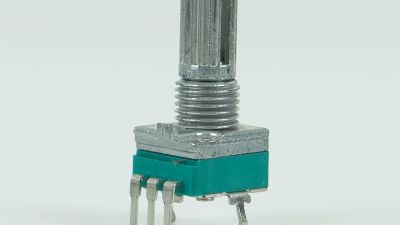
Picking out the right components for your projects can sometimes feel overwhelming, right? Take Rotary Potentiometers, for example—they’re pretty much the backbone of a bunch of applications, from tweaking audio levels to sensor calibration. Knowing the ins and outs of their types, specs, and uses is super important if you want everything to run smoothly and perform at its best.
When you're choosing a Rotary Potentiometer, think about things like resistance value, the taper type, and how big or small it is. Small choices like these can really change how well your project turns out. It’s all about understanding what you really need—this makes sure you pick the right part. That said, a lot of folks skip over these details, and that can end up causing compatibility headaches or just not working as well as it should.
In today’s world—where precision and reliability really matter—it’s good to remember that not all Rotary Potentiometers are equal. Doing a bit of research on trusted brands like Bourns and Vishay is worth it. They usually offer solid options backed by good technical support. Remember, your choice isn’t just about functionality; it also affects how long your device lasts and how durable it is. So, take your time, weigh the options, and don’t rush—there’s no harm in being thorough about such an important decision.
Understanding Rotary Potentiometers and Their Applications
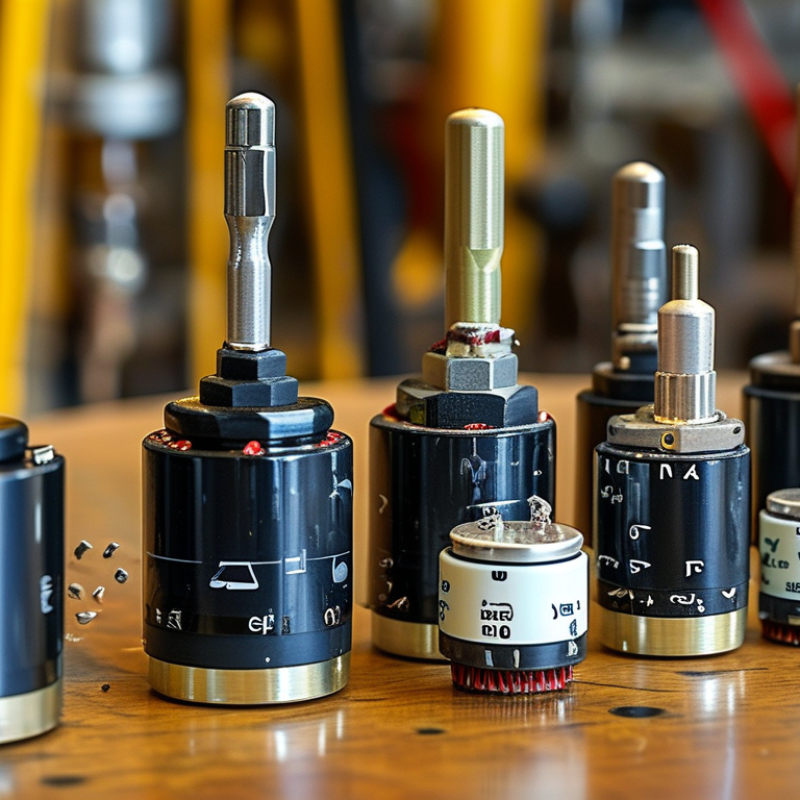
Rotary potentiometers are versatile components found in many devices. They play a critical role in controlling voltage levels. This adjustment can influence audio volume, light intensity, and motor speed. According to a 2022 industry report, the global rotary potentiometer market is projected to grow by 5% annually, reflecting their importance in modern technology.
Understanding the applications of rotary potentiometers is essential. These components are widely used in consumer electronics and industrial machinery. In audio equipment, they allow for precise volume control. In robotics, their feedback mechanisms help in calibrating movements. Research indicates that about 70% of engineers consider performance and reliability as key factors when selecting potentiometers. This highlights the importance of quality.
Choosing the right rotary potentiometer can be challenging. Factors such as taper type, resistance range, and mechanical life must be evaluated. Many users overlook the impact that environmental factors can have on performance. For example, exposure to humidity and dust can affect the lifespan of a potentiometer. Thus, careful consideration should be given to the operating conditions of the device in which it will be used.
Identifying Your Specific Needs for Potentiometers
When selecting rotary potentiometers, it's crucial to start by identifying your specific needs. Consider factors such as resistance value, taper type, and physical size. According to market research, around 35% of engineers overlook the taper type in their projects. This can lead to products that do not perform as expected. Understanding whether you need a linear or logarithmic response is key to achieving the desired outcomes in your applications.
Compatibility with other components is another critical factor. For example, make sure your potentiometer’s resistance aligns with the rest of your circuit. Consulting detailed technical specifications can help you avoid mismatches. A survey highlighted that 25% of users experienced challenges due to incorrect resistance values. Don't rush this decision—take your time to consider alternatives, and think about Slide Potentiometers if a linear arrangement suits your design.
Tip: Always double-check the physical dimensions of the potentiometer. A component that doesn’t fit can ruin a project. Measure twice, order once. Additionally, keep in mind the environment where the potentiometers will be used. Harsh conditions may require specialized designs. Reflect on your project's scope and adjust your choices accordingly, ensuring all features are relevant and necessary.
Exploring Different Types of Rotary Potentiometers
When exploring different types of rotary potentiometers, it's essential to understand their unique features. Each type serves specific functions that can significantly impact performance. For instance, linear potentiometers adjust inputs smoothly, while logarithmic potentiometers can provide more sensitivity at lower levels. Magnetic Potentiometers, on the other hand, offer durability and resistance to wear, making them ideal for demanding environments.
Consider the physical design when choosing a rotary potentiometer. Some models have a shaft that allows for easy gripping, which enhances user experience. Others may require more precise installation methods. It's also worth noting that maintenance needs can vary. Some potentiometers may need regular checks, while others function reliably with little attention.
Reflecting on your specific requirements is crucial. Do you need precise volume control? Or will a simple on/off function suffice? These questions are pivotal. Many users overlook the importance of matching the potentiometer's characteristics to their application. Think carefully about how you will use it. Remember, the right choice can lead to better overall performance.
How to Choose the Right Rotary Potentiometers for Your Needs?
| Type |
Resistance Range (Ohms) |
Maximum Voltage (V) |
Power Rating (W) |
Applications |
| Carbon Film |
1k - 1M |
100 |
0.1 - 0.25 |
Tone Control, Volume |
| Cermet |
1k - 10M |
200 |
0.2 - 0.5 |
Instrument Control, Audio Applications |
| Plastic Conductive |
10k - 1M |
50 |
0.05 - 0.1 |
Consumer Electronics, Radios |
| Wirewound |
1Ω - 100k |
250 |
0.5 - 2 |
High-Power Applications |
| Digital Potentiometers |
10k - 100k |
5 |
0.03 - 0.1 |
Automated Control, Audio Equipment |
Evaluating Electrical Specifications and Ratings
Choosing the right rotary potentiometer involves an evaluation of electrical specifications and ratings. Understanding voltage ratings is crucial. Ensure the potentiometer can handle your circuit's voltage without overheating or failing. Pay attention to power ratings. A higher power rating allows for greater energy flow, while a lower rating can limit performance. Match the power rating to your application needs.
Resistance value is another key factor. This determines how much resistance the potentiometer offers. If the resistance is too low, it could lead to excessive current draw. Conversely, too high resistance might result in insufficient signal strength. Choose a value that fits your project requirements.
Tips: Always double-check the component's specifications before purchase. Testing components in a prototype can help identify potential issues early. If you have doubts, consult with an expert. Fine-tuning your choices can prevent costly mistakes and improve overall performance. Keep in mind that not every potentiometer is suitable for every application.
Considering Physical Dimensions and Mounting Options
When selecting rotary potentiometers, physical dimensions and mounting options play a crucial role in the decision-making process.
The size of the potentiometer must align with your project’s design. Too large, and it becomes cumbersome;
too small, and it might not fit securely. Consider the available space in your project. Measure carefully to avoid any misalignment,
which can lead to functional issues.
Mounting options also greatly influence usability. Are you opting for panel mount or PCB mount?
Each serves different needs. Panel mounts provide easy access but might require pre-drilled holes. PCB mounts are space-efficient but can complicate replacement later.
Think about how you’ll integrate the potentiometer into your design. Accessibility and serviceability should not be overlooked.
It’s essential to reflect on these choices. A well-chosen potentiometer enhances user experience. However, improper dimensions or mounting can result in frustration during installation.
Researching various types and configurations may seem tedious, yet it ensures a functional and reliable final product. Balancing form and function is key.
Assessing Quality and Reliability Factors in Potentiometers
When selecting rotary potentiometers, evaluating quality and reliability is crucial. According to industry reports, around 20% of potentiometer failures stem from poor manufacturing processes. This highlights the importance of sourcing from reputable suppliers who adhere to strict quality control standards. Analyzing specifications, such as tolerance ratings and temperature ranges, can further indicate reliability in various applications.
Tips: Always check for compliance with international standards. This ensures that the components can withstand the required operational stresses while maintaining performance. Consider also the environmental factors where these potentiometers, including Joystick Potentiometers, will function. Not all designs are suited for high-humidity or extreme-temperature environments.
It's essential to ask the right questions regarding lifespan and duty cycles. Many users overlook these factors, which can lead to premature failures. According to a recent survey, nearly 15% of users reported performance inconsistencies due to inadequate assessments of these factors. Investing time in understanding these elements pays off by ensuring the longevity and stability of your applications.
Budgeting for Rotary Potentiometers and Finding Suppliers
When considering the purchase of rotary potentiometers, budgeting is crucial. Establish your budget based on your specific project needs. This can vary drastically from one application to another. Assess the volume of units needed as well; bulk purchasing often reduces the overall cost. However, don't always opt for the cheapest option. Quality may suffer and lead to failure in critical components.
Finding reliable suppliers is equally important. Look for companies with solid reputations. Verify their experience and expertise in supplying rotary potentiometers. Read reviews and seek recommendations from peers in your industry. Some suppliers may offer warranties or return policies, which can add value. Always evaluate their customer service responsiveness.
Shipping costs and lead times should factor into your budget. Delays may disrupt your project timeline. When selecting components, take the time to reflect on your choices. A well-thought-out decision on vast purchases will save headaches later. In essence, budgeting involves both financial and qualitative assessments. Investing time in selecting the right Rotary Switch can lead to successful projects.
Enhancing Precision in Electronics: Insights from Industry Data on the Metal Rotary Potentiometer 09MM Dual-Axis RK095NH1
The RK095NH1 Dual-Axis Rotary Potentiometer is a cutting-edge component designed to enhance precision in various electronic applications. With a minimum order quantity of 2000 units, this potentiometer is ideal for manufacturers looking to integrate advanced control features into their products. Originating from Guangdong, China, this model showcases a customizable specification that caters to specific user needs, making it a versatile choice for different electronic devices.
The RK095NH1 serves as a reliable option for applications requiring adjustments in volume, light, speed, pressure, and temperature. Its broad scope of application ranges from audio amplifiers and speakers to home appliances and medical equipment. Furthermore, it excels in communication electronic devices and remote control equipment, demonstrating its adaptability across different sectors. With its dual-axis functionality, this potentiometer allows for fine-tuned control, enhancing user experience by providing precise adjustments in real-time. This level of performance is crucial in industries where accuracy and reliability are paramount.
FAQS
: Focus on physical dimensions and mounting options. Ensure the size fits your project’s design.
Measure carefully before installation. Proper measurements prevent functional issues and frustration.
Panel mounts allow easy access but need pre-drilled holes. PCB mounts save space but complicate replacements.
It helps align your expenses with project needs. A well-established budget can avoid unexpected costs.
Not necessarily. Low-cost components may compromise quality and lead to failures. Balance cost with quality.
Look for suppliers with solid reputations and check their experience. Online reviews can provide valuable insights.
They impact your budget and project timeline. Delays can disrupt your plans, so factor them into your decisions.
Consider their customer service responsiveness, return policies, and warranties. These factors can add value to your purchase.
It can lead to installation frustrations and potential failures. Thoughtful selections prevent headaches later.
Reflecting can lead to better decisions. It ensures a functional and reliable final product for your project.
Conclusion
Choosing the right rotary potentiometers for your needs involves a comprehensive understanding of their applications and specifications. Begin by identifying your specific requirements, such as the type of control and the environment where the potentiometer will be used. There are various types of rotary potentiometers available, each offering unique characteristics suited for different applications.
Next, evaluate the electrical specifications like resistance, power rating, and tolerance to ensure they align with your project's needs. Physical dimensions and mounting options are also critical, as they will determine how well the potentiometer fits into your design. Additionally, assessing the quality and reliability factors is crucial in selecting a durable component. Finally, budgeting for rotary potentiometers and sourcing them from reliable suppliers will ensure you stay within your financial constraints while obtaining the best quality for your application.

 +86 18928646960+86 13630152584
 Contact Email