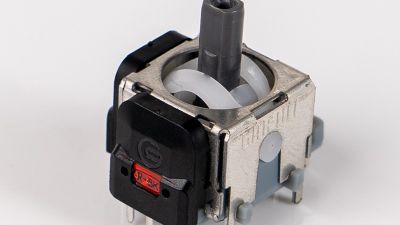
Picking out the right Selector Switch for your project might feel pretty overwhelming at first. Industry pro John Smith, CEO of SwitchTech Inc., honestly says that "getting the right switch can make or break your success." So, it’s super important to know what options are out there and how they’re used.
Basically, a Selector Switch is a mechanical device that lets you choose between different modes or settings. You’ll see them all over the place — in manufacturing lines, automation setups, you name it. The trick is understanding what each type does — for example, deciding between a key-operated switch or a simple push-button one really depends on whether you prioritize security or ease of access.
Of course, mistakes can happen. One common slip-up is ignoring the switch’s ratings, which could lead to some serious operational headaches later on. Looking back at past projects can really help you spot potential pitfalls. It’s also crucial to get a clear grasp of how different Selector Switches fit into your design — knowing their roles can save you a lot of trouble down the line. In the end, the main goal is to pick a switch that matches your project needs while keeping everything safe and reliable.
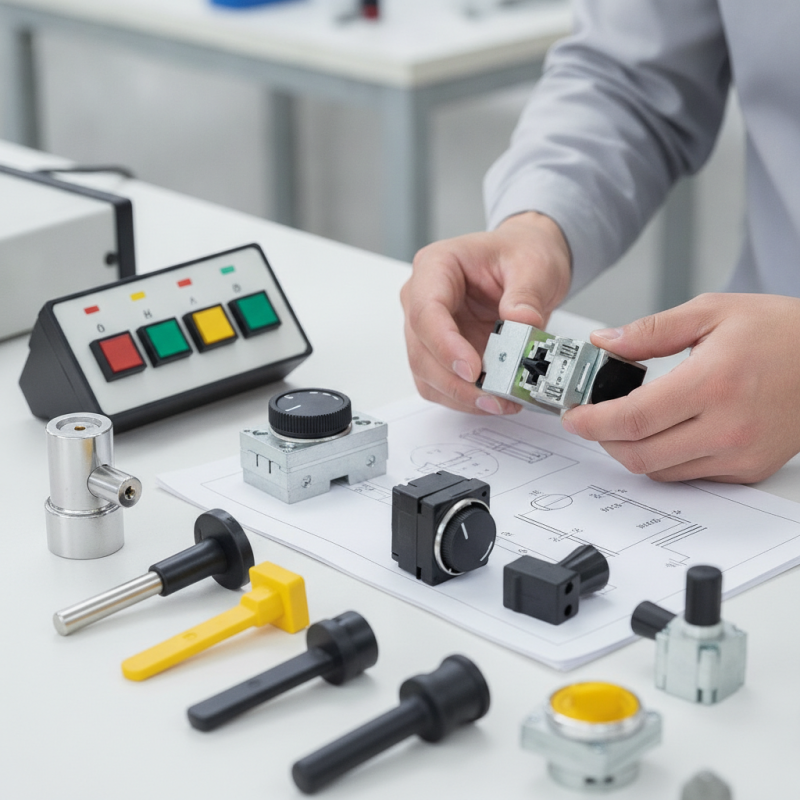
Understanding Selector Switches: An Overview of Their Functionality
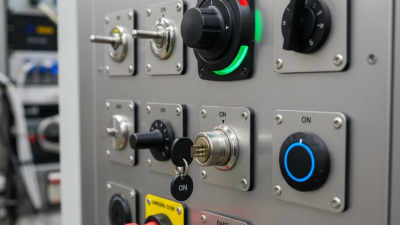
Selector switches are essential components in many electrical and electronic applications. Their primary function is to allow users to select different operational modes or settings easily. These switches typically feature multiple positions that a user can rotate or flip, making them versatile for various projects.
According to industry reports, the global market for selector switches is expected to grow at a compound annual growth rate (CAGR) of 4.5% by 2026. This is a testament to their increasing significance in automation and control systems. Selector switches are found in various fields, including manufacturing, automotive, and consumer electronics. Despite their widespread use, many projects fail due to improper selection. For example, choosing a switch with insufficient rating can lead to system failures or safety hazards.
Opting for a reliable selector switch involves careful consideration of its electrical ratings, materials, and environmental resistance. For instance, switches used in industrial settings often require higher durability to withstand dust and moisture. However, even experienced designers may overlook these factors, leading to subpar performance. Understanding the nuances of selector switch functionality is crucial. It can determine the success or failure of an entire system. Ignoring best practices can have lasting repercussions.
Selector Switch Types and Their Usage in Projects
Types of Selector Switches: Key Variants and Their Applications
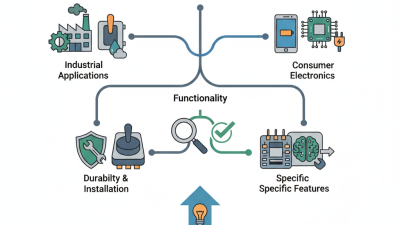
When selecting a selector switch for a project, understanding the types available is crucial. Various designs exist, including
Rotary Selectors, toggle switches, and push-button types. Each serves distinct purposes and has specific advantages.
Rotary selectors are often favored for their versatility in operating multiple circuits. They can control different conditions or modes by simply turning a knob.
Rotary selectors come with options like momentary or maintained settings. Momentary switches return to their original position when released. They are commonly used in applications requiring temporary actions, such as machine controls. Maintained switches, on the other hand, stay in position until manually changed. They are ideal for steady operations in devices like lighting systems.
When choosing a switch, consider the project's requirements. Think about the environment, load capacity, and user interaction. It’s important to reflect on these aspects to avoid issues later. Some users may overlook the need for adequate durability or resistivity in harsh conditions. Always assess the potential risks and functionality to make an informed choice.
Assessing Project Requirements: Identifying Your Needs
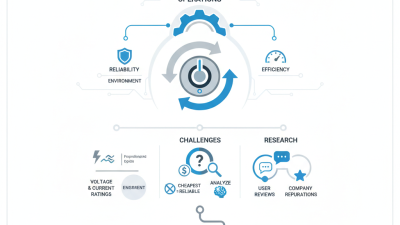
When selecting a selector switch, it is crucial to assess your project requirements thoroughly. Understanding the specific needs of your project can help streamline the decision-making process. According to a report by the International Electrotechnical Commission, 75% of project failures stem from inadequate needs assessment. Failing to analyze your operational context might lead to costly mistakes.
Consider factors such as electrical ratings, environmental conditions, and user interface requirements. For example, switches rated for high voltages require robust materials. It's essential to align these specifications with safety regulations. Ignoring the impact of user experience can also be detrimental. A poorly designed switch, like an unergonomic Switch Knob, may hinder functionality. The design should ensure intuitive use and minimize user errors.
Additionally, it’s helpful to evaluate the long-term reliability of the switches chosen. A study conducted by Industry Standards Group revealed that about 40% of industrial equipment failures are linked to switch malfunctions. This statistic underscores the need for thorough vetting processes. Reflecting on these aspects can reveal gaps in your evaluation, prompting necessary adjustments.
How to Choose the Right Selector Switch for Your Project?
| Feature |
Description |
Importance Level |
| Type of Selector Switch |
Rotary, Toggle, Pushbutton, etc. |
High |
| Number of Positions |
Single, Double, Multi-position |
Medium |
| Current Rating |
The maximum current the switch can handle. |
High |
| Voltage Rating |
The maximum voltage that can be applied. |
High |
| Mounting Type |
Panel mount, PCB mount, etc. |
Medium |
| Durability |
Number of operations before failure. |
High |
| Environmental Resistance |
Waterproof, dustproof, etc. |
Medium |
| Cost |
Budget constraints and pricing. |
High |
Key Features to Consider When Choosing a Selector Switch
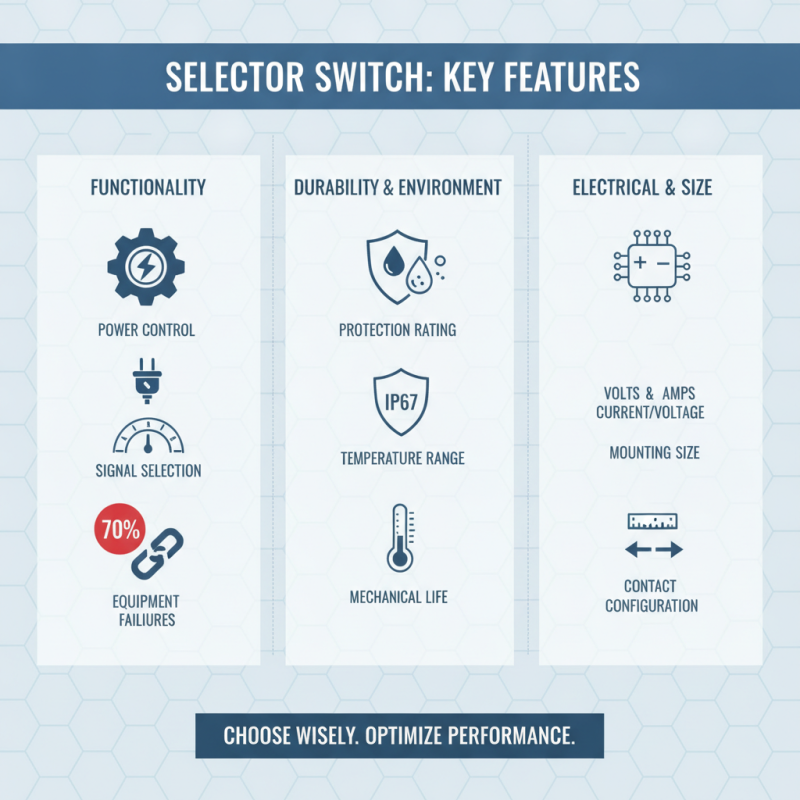
Selecting the right selector switch for your project requires careful consideration of several key features. The functionality of the switch is paramount. It must align with the specific needs of your application. According to industry data, nearly 70% of equipment failures are linked to improper component selection. This highlights the importance of evaluating the intended use, whether it be for power control, signal selection, or mode selection.
Another critical aspect is the electrical rating. Ensure the switch can handle the voltage and current demands of your system. A mismatch can result in equipment damage or safety hazards. Research indicates that installations with inadequate ratings experience failure rates up to 50% higher than those with appropriate specifications. Additionally, consider the environmental conditions of your project. If the switch will be exposed to dust or moisture, opt for designs that offer IP (Ingress Protection) ratings suitable for your environment.
Furthermore, the tactile feedback of the switch can affect user experience. A good selector switch should provide clear feedback to indicate its position. Data shows that intuitive controls can improve operational efficiency by up to 30%. While aesthetics are often overlooked, a well-designed switch can enhance user engagement. However, be cautious; focusing too much on design might compromise functionality. Balancing these factors is key to a successful selection process.
Wiring and Installation: Best Practices for Implementation
Choosing the right selector switch involves careful consideration of wiring and installation practices. Proper wiring is crucial for safety and functionality. According to industry reports, improper connections can lead to system failures, with 30% of electrical issues traced back to wiring errors. It is important to follow wiring diagrams closely during installation. Every connection should be secure and insulated to prevent accidental shorts.
Using high-quality terminals can enhance safety. The National Electrical Manufacturers Association (NEMA) emphasizes using appropriate wire gauges. If the wire gauge is too small, it may overheat, posing a fire risk. Ensure that the wiring matches the voltage and current ratings of your switch. This can mitigate potential hazards significantly.
Practicing careful installation can save time and resources. Regular checks of your installation can help identify wear and tear. Poor installation can lead to costly repairs later. Documentation is essential. Keep detailed records of installation specifications, as they can guide future maintenance tasks. Reflecting on past projects can highlight areas for improvement.
Safety Considerations: Ensuring Compliance and Risk Management
When selecting a selector switch like the
Knob Switch
for your project, safety considerations are paramount. Compliance with industry standards is essential.
Familiarize yourself with the relevant regulations that apply to your specific project. This includes understanding
operational safety and the environmental factors influencing switch functionality. Ensuring your chosen switch
adheres to these standards can prevent costly errors.
Risk management is another critical aspect. Assess the potential hazards associated with using a
knob switch in your setup. Consider the operational environment: Is it wet, dusty, or hazardous? Evaluate the
switch's durability and protection ratings. Poorly chosen components can lead to equipment failure or safety incidents.
Documenting your findings helps in making informed decisions and ensures accountability.
Don’t overlook the training aspect for users interacting with the switch. Proper education reduces human error
and enhances safety. Inadequacies in understanding how to operate the switch may lead to undesirable outcomes.
Regular reviews of safety practices and switch performance are also beneficial. This ongoing reflection is vital
in maintaining safety and compliance throughout the project lifecycle.
Maintenance and Troubleshooting: Ensuring Long-Term Reliability
When it comes to selector switches, maintenance plays a crucial role. Regular checks can prevent failures that might disrupt operations. According to a recent industry report, up to 30% of device malfunctions stem from inadequate maintenance. Therefore, a structured schedule for inspections can ensure that components like a Slide Switch remain functional over time.
Troubleshooting is also vital for reliability. It's important to look for signs of wear, such as discoloration or loose connections. Small issues can quickly escalate without attention. Research indicates that 40% of electrical failures are linked to poor installation practices. Keeping a detailed log of performance can help identify recurring problems early, allowing for timely intervention.
The choice of materials in a selector switch can impact its longevity. High-quality plastics and metals are essential for durability. Switching components designed for outdoor use must resist elements like moisture and dust. This level of detail matters because the right choice can significantly reduce the frequency of repairs, ultimately saving time and costs. Engaging with professionals during the selection process can lead to better outcomes.
Exploring the Versatility of RJ13A1P-HL-001: A Comprehensive Guide to Handle Switches for 3D Gaming and Drone Control
The RJ13A1P-HL-001 rocker potentiometer is a remarkable component that showcases the versatility essential for modern 3D gaming and drone control applications. As gaming technology continues to evolve, the demand for responsive and intuitive control systems has skyrocketed. This model allows users to adjust not only the volume but also parameters like light intensity and speed, making it an ideal choice for both gaming interfaces and remote-controlled devices.
Originating from Guangdong, China, this customizable rocker potentiometer supports a wide range of applications, including audio amplifiers, home appliances, and even medical equipment. Its capability to handle various settings—such as pressure and temperature adjustments—positions it as a critical element in sophisticated electronic devices. The product's adaptability ensures that it can meet the specific needs of different industries while maintaining superior performance, which is crucial in sectors where precision and responsiveness are paramount.
With a minimum order quantity of 2000 units, the RJ13A1P-HL-001 is designed for manufacturers looking to enhance user experiences in audio and communication technologies. Its integration into remote control equipment is particularly noteworthy, allowing for seamless operations in drone technology—a growing field that requires highly reliable and efficient control mechanisms. As the gaming and unmanned aerial vehicle markets expand, the demand for such components will only increase, highlighting the importance of innovative solutions like the RJ13A1P-HL-001.
FAQS
: Selector switches allow users to select different operational modes in electrical and electronic applications.
Choosing the wrong switch can lead to system failures or safety hazards. Improper ratings can cause significant issues.
Regular inspections can prevent failures. A structured schedule helps keep components functional over time.
Discoloration, loose connections, and malfunctioning components indicate that a switch may need attention.
Look for signs of wear and keep a detailed performance log to identify recurring problems.
High-quality plastics and metals are essential for enhancing the durability of selector switches in various environments.
Yes, the right selector switch choice is crucial. It can influence the overall system's performance and reliability.
Consider electrical ratings, materials, and environmental resistance to ensure it suits the application.
Regular, scheduled inspections are recommended to ensure long-term reliability and to catch issues early.
Failures often stem from improper switch selection or inadequate maintenance, leading to longer-term repercussions.
Conclusion
When selecting a Selector Switch for your project, it is essential to understand its functionality and the different types available, each suited for specific applications. Key factors to consider include the project requirements, the essential features of the switch, and best practices for wiring and installation. Ensuring safety compliance and managing risks are also crucial aspects, as is planning for maintenance and troubleshooting to guarantee long-term reliability.
By thoroughly assessing your needs and the characteristics of various Selector Switches, you can make an informed decision that aligns with your project's goals. Taking the time to consider these elements will ultimately enhance the performance and safety of your electrical systems.

 +86 18928646960+86 13630152584
 Contact Email