Choosing the right Shaft Encoder for your project isn’t just a technical detail — it’s really key to making everything work smoothly. Did you know that the global market for shaft encoders is expected to hit around $3.5 billion by 2025? That’s based on a report from MarketsandMarkets. This really shows how crucial precision has become across different fields, like robotics, manufacturing, and automation.
Basically, shaft encoders turn mechanical motion into electrical signals, which sounds simple enough, but picking the right one can seriously impact how efficient your setup is. Things like resolution, what type of encoder it is, and the environment where it’ll be used all matter. A report from Research and Markets even points out that a lot of people underestimate how much these factors actually influence performance. Choosing the wrong encoder can mean misalignment issues or a shorter lifespan — not ideal, huh?
It’s also super important to think about your specific application. For example, if your environment is dusty or damp, you’ll want an encoder that’s well-sealed and tough enough to handle those conditions. Ignoring these details can lead to frequent breakdowns and unexpected costs. And honestly, looking back at past choices might reveal missed chances to save money or improve reliability. So, taking your time and really considering the right shaft encoder is key for ensuring long-term success and peace of mind.
Understanding Shaft Encoders: Types and Functions
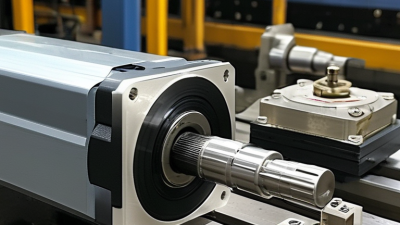
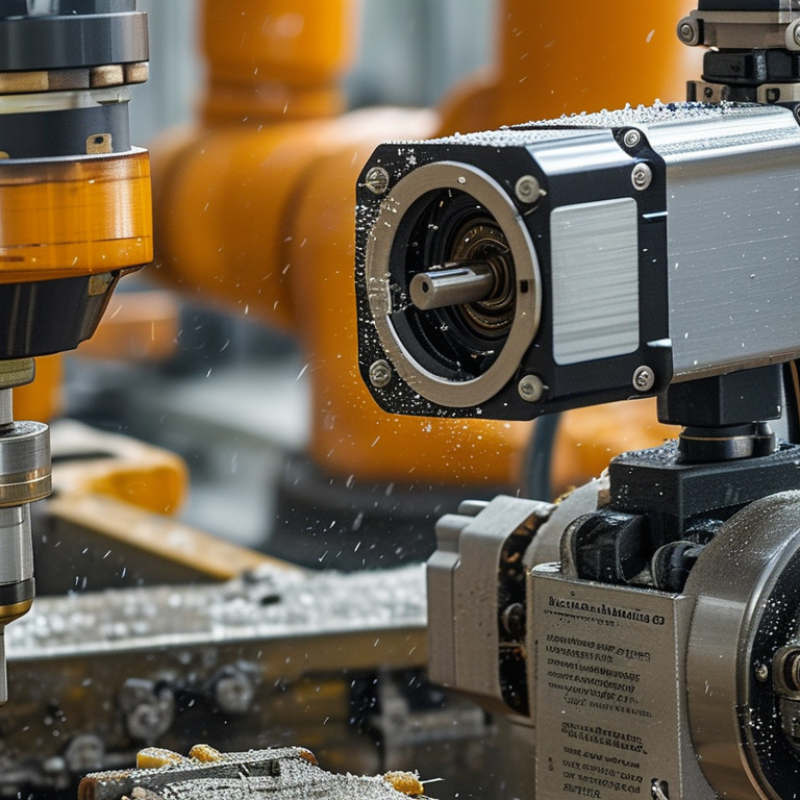
Shaft encoders play a crucial role in various applications, providing precise feedback on the position and speed of rotating objects. They come in different types, each serving unique functions. Optical encoders utilize light to determine position, while magnetic encoders capture data through magnetic fields. Understanding these types will help you choose the right encoder for your needs.
Consider the environment where the encoder will operate. For harsh conditions, a magnetic encoder might be more suitable as it is less affected by dust and moisture. On the other hand, an optical encoder is ideal for applications where high accuracy is required, like robotics and CNC machines.
When selecting an encoder, it’s also vital to assess the resolution requirements. Higher resolutions offer finer control but can increase complexity. Some applications might not need top-tier precision, leading to potential over-engineering.
Look for reputable suppliers, as quality can vary significantly across manufacturers. A lower price might come with hidden challenges, like lack of support or inferior components. Always weigh cost against reliability to ensure long-term success with your chosen shaft encoder.
Key Specifications to Consider When Selecting a Shaft Encoder
When selecting a shaft encoder for your application, several key specifications should guide your decision. Resolution is paramount. Higher resolution encoders provide finer positional feedback. Think about the precision needed. For many applications, a resolution of 1000 counts per revolution may suffice, but some tasks require much more.
Accuracy is critical. Evaluate the encoder's accuracy specification. A small error margin can lead to significant discrepancies in system performance. Consider environmental factors as well. If your encoder operates in harsh conditions, durability becomes essential. An encoder's IP rating indicates its resistance to dust and moisture. Choose one that meets your specific needs.
Regarding interface type, whether analog or digital can influence your application. Digital signals can offer more reliability, while analog output may suit simpler systems. Evaluate your system's compatibility with the chosen interface.
When choosing an encoder, ensure it matches your application's mechanical requirements. Size and mounting style play a significant role. The encoder should fit seamlessly into your setup. Assessing power requirements is vital too. An encoder that draws too much power can strain your system.
Consider these practical tips: always test the encoder in your setup before full deployment. Remember, real-world conditions can sometimes differ from datasheet specifications. If possible, consult experts or resources for insights. Engaging with knowledgeable professionals can clarify the intricacies of encoder selection.
Assessing Environmental Factors for Shaft Encoder Applications
Environmental factors play a crucial role in selecting the right shaft encoder for specific applications. Understanding these factors can significantly influence the performance and longevity of the encoder. For instance, temperature fluctuations may cause operational issues. If your application involves extreme heat or cold, select an encoder rated for such conditions. This choice often leads to better reliability in the long run.
Humidity and exposure to dust or chemicals also impact encoder performance. In industries like food processing, an encoder must withstand moisture and contaminants. Choosing an encoder with appropriate ingress protection (IP) ratings is essential.
Additionally, vibration and mechanical stress from surrounding equipment can affect encoder functionality. In high-vibration environments, a robust design can help maintain accuracy. Reflecting on these environmental conditions is vital. An oversight can lead to frequent maintenance or failures, which are costly. Make sure to assess all environmental factors before deciding on an encoder.
Evaluating Accuracy and Resolution Requirements
When choosing a shaft encoder, accuracy and resolution are paramount. Accuracy defines how close the output of the encoder matches the actual position. A higher accuracy means more reliable data for your application. Think about the environment of usage, too. Higher precision may be needed in robotics, whereas basic tasks might not need such exactness.
Resolution indicates the number of measurable positions the encoder can differentiate. For example, a Rotary Encoder Shaft with a high resolution can detect more increments of movement. This precision is crucial in applications requiring fine control. Factors such as speed of operation and mechanical limits can impact the effectiveness of resolution. A mismatch here could lead to operational failures.
Testing under real-world conditions is vital. Lab results might not replicate the challenges faced in actual applications. Adjusting the configuration based on initial tests could uncover critical insights. It’s essential to refine requirements as you learn more about the system's behavior. A systematic approach balances the need for accuracy and resolution while understanding operational limits.
Compatibility with Existing Systems and Interfaces
When selecting a Rotary Shaft Encoder, compatibility with existing systems is crucial. Different applications may require different encoder types, such as incremental or absolute encoders. Ensure the encoder aligns with your system’s input and output requirements. This means checking voltage levels, communication protocols, and physical dimensions.
Investigating communication interfaces is essential. Some systems might use protocols like RS-485 or CAN bus. Verifying that the Rotary Shaft Encoder can communicate effectively with your controllers will save time and resources. Also, examine how easily the encoder can be installed within the existing setup. It’s often easy to overlook mechanical compatibility, yet it can significantly impact performance.
Be aware of potential mismatches. A poorly selected encoder can lead to inaccurate readings or poor response times. Reflecting on the specific needs of your application is necessary. Compatibility isn't always straightforward, and in some cases, it may require additional interfaces or converters. Prioritize a thorough analysis to ensure reliable integration and optimal performance.
Cost Considerations and Budgeting for Your Shaft Encoder
When selecting a shaft encoder, budget plays a crucial role. The cost of a Hollow Shaft Encoder varies widely based on factors like type and specifications. Understanding your application's requirements can prevent overspending. For instance, a simple project might need a basic encoder, while complex systems often require advanced features, leading to higher costs.
Balancing performance and price is essential. A more expensive Hollow Shaft Encoder may offer significant advantages, like higher accuracy and durability. However, it's important to evaluate whether those features are necessary for your project. Sometimes, less costly options can perform adequately, saving funds for other aspects of your system.
Consider the total cost of ownership as well. This includes maintenance and potential replacement costs. Investing in a reliable encoder can reduce long-term expenses. Also, unforeseen expenses can arise, like installation challenges. Always plan for unexpected budget shifts to ensure your project stays on track.
Cost Considerations for Shaft Encoders
Future-Proofing Your Choice: Scalability and Upgradability
When selecting a shaft encoder, scalability and upgradability are key factors. Many applications change over time. Anticipating future needs can save costs. Choosing a flexible design allows integration with new systems. This adaptability is crucial for long-term investments.
An Optical Shaft Encoder can be a strategic choice. It enables easy upgrades, supporting higher resolution or additional features. However, it's essential to evaluate specific requirements. Consider whether a basic model meets your needs today. Yet, an upgrade path should exist for tomorrow. Without this foresight, you might face limitations later.
Building for the future means asking tough questions. What technologies are emerging? How might your application evolve? Documenting these aspects will guide your decision. Balancing current demands with future potential is no easy task. With a thoughtful approach, an Optical Shaft Encoder can lay the groundwork for sustainable growth.
Exploring Market Trends and Innovations: The Rising Demand for EC160 Vehicle-Mounted Rotary Switch Element Encoders in Automotive Applications
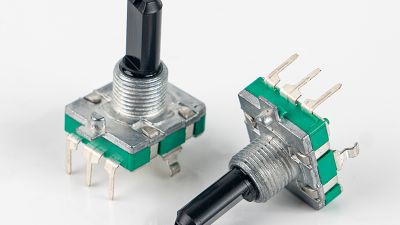
The automotive industry is increasingly embracing innovative technologies to enhance user experience and functionality. Among these innovations, the EC160 vehicle-mounted rotary switch element encoders are gaining significant traction. Designed to adjust various parameters such as volume, light, speed, pressure, and temperature, these encoders cater to a diverse range of automotive applications. Their capability to seamlessly integrate into vehicle systems elevates the level of control provided to the driver and passengers alike.
Manufactured with precision in Guangdong, China, these encoders come with customization options to meet specific needs. The growing demand for this product aligns with the broader trend of enhancing electronic controls in vehicles, including audio amplifiers, speakers, and other communication equipment. As automotive applications evolve, the EC160 rotary switch encoders stand out for their adaptability and reliability, making them an essential component for modern vehicles aiming to provide enhanced user interfaces and functionalities. Their utilization is expected to expand beyond automotive applications into home appliances and medical equipment, reflecting a robust trend towards versatile, user-friendly control systems across multiple sectors.
FAQS
: Shaft encoders provide precise feedback on the position and speed of rotating objects.
There are optical and magnetic encoders. Each type serves unique functions.
Use a magnetic encoder in harsh conditions. It is less affected by dust and moisture.
Optical encoders offer high accuracy. This makes them ideal for robotics and CNC machines.
Resolution affects control and complexity. Higher resolutions might not always be necessary.
Quality varies significantly among suppliers. A low price may mean hidden challenges.
Applications often change over time. Scalable designs allow integration with new systems.
Anticipate future requirements. Consider an upgrade path when selecting your encoder.
Basic models may limit future potential. Evaluate if they meet today's needs and tomorrow's demands.
Document emerging technologies and evolving applications. Reflection is key to informed decisions.
Conclusion
Choosing the right shaft encoder for your application involves understanding the different types and functions available, as well as their key specifications. It’s essential to assess environmental conditions, accuracy requirements, and how well the encoder will integrate with existing systems. Ensuring compatibility can prevent future operational issues.
Furthermore, cost considerations and budgeting play a crucial role in the decision-making process. Finally, evaluating scalability and upgradability will help future-proof your investment in a shaft encoder, allowing for adjustments as technology and application needs evolve. By thoroughly analyzing these aspects, you can make an informed choice that meets both current and future demands.

 +86 18928646960+86 13630152584
 Contact Email