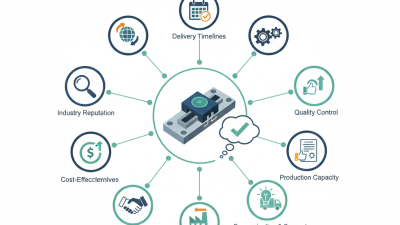
In today’s fast-moving tech world, businesses really have to stay nimble and adapt quickly. One cool new idea that’s been gaining attention is called "Coding Switch"—you can check it out here. Basically, it’s all about giving teams the flexibility to switch between different programming languages and tools on the fly. That way, they can tap into a wider range of resources, which can really boost efficiency and productivity.
A lot of companies get stuck because they stick to just one coding environment and that can hold them back. That’s where Coding Switch comes into play. It helps teams respond better to what a project actually needs, making collaboration a lot easier and encouraging more innovation.
Now, I won’t lie—making the switch isn’t always smooth sailing. There can be some hurdles, like team members having different skill levels. And honestly, training is crucial but often gets overlooked. If a business wants to really take advantage of this approach, they need to invest not just in the right tech but also in their people. Embracing this flexible coding setup might just be the secret weapon for future success.

What is Coding Switch? A Definition and Overview
Coding Switch refers to the practice where teams dynamically switch between programming languages or frameworks based on specific project needs. This adaptability fosters creativity and efficiency, influencing the overall project outcome. Research indicates that businesses employing this approach can improve development speed by up to 30% and enhance team morale significantly.
In today's rapidly evolving tech landscape, flexibility is key. Companies face constant pressure to adapt. One example is the Switch Knob, a metaphor for easily switching between various coding environments. With it, teams can tailor their tools to fit project requirements, leading to better performance and innovation. However, this practice may also create confusion. Developers may feel overwhelmed by too many choices or inconsistent coding standards.
Despite these challenges, a well-implemented Coding Switch can yield substantial benefits. Firms that have adopted a strategic approach to coding flexibility often achieve higher client satisfaction. This is supported by a report from the Project Management Institute, which found that teams using adaptive strategies manage project risks more effectively. Balancing innovation and stability remains crucial for long-term success.
The Importance of Coding Switch in Business Operations
In today's fast-paced business world, coding switch plays a crucial role in enhancing operational efficiency. This practice involves adapting software and coding practices to meet specific business needs. It allows organizations to optimize their workflow and improve communication among teams. By embracing coding switch, companies can respond quickly to market demands.
Implementing coding switch isn't without its challenges. Teams may struggle with the initial learning curve. Employees may feel overwhelmed by new technologies or coding languages. However, the long-term benefits often outweigh these difficulties. Businesses can achieve greater flexibility and scalability, which are essential for growth.
Moreover, adopting coding switch helps in maintaining a competitive edge. Organizations that utilize modern coding practices can enhance their product offerings. Improved software can lead to better customer experiences, driving satisfaction and loyalty. Embracing this mindset is vital for any business aiming for sustained success.
Key Features of Coding Switch Technology
Coding switch technology has transformed how businesses approach operations. One significant feature is its ability to streamline processes. Companies leveraging coding switches report up to 30% reductions in operational delays. This metric highlights the technology's efficiency in enhancing productivity.
Another vital aspect of coding switch technology is adaptability. For instance, the integration of a
Knob Switch allows for seamless adjustments during processing. This feature is beneficial for industries that require rapid changes. Reports indicate that sectors utilizing such technology experience a 25% increase in overall flexibility. Yet some users find the learning curve steep.
Moreover, coding switches support automation, minimizing human errors. Statistics suggest that automated systems reduce error rates by up to 40%. However, reliance on automation can lead to over-dependence, creating challenges in critical thinking. Businesses must balance automation with skilled oversight to ensure reliability.
How Coding Switch Improves Communication and Collaboration
Effective communication and collaboration are essential components of any successful business. One innovative solution, known as Coding Switch, can significantly enhance these areas. By offering a dynamic platform, it allows teams to communicate more effectively across various coding languages and technical terminologies. This variety helps bridge the gap between different departments, fostering a more cohesive working environment.
With Coding Switch, team members can easily share insights, even if they use different technical languages. For instance, a developer and a designer can both understand project requirements through a shared, simplified framework. This reduces misunderstandings and promotes clarity in discussions. The Slide Switch feature within Coding Switch brings another layer of interactivity, letting users toggle between languages or technical jargon seamlessly.
It’s worth noting, however, that adopting new communication tools can come with challenges. Some employees may resist change or struggle to adapt. Training and user-friendly interfaces need careful consideration. Yet, these hurdles can ultimately lead to a more engaged and collaborative workforce, capable of tackling complex projects more efficiently. Embracing Coding Switch could very well be a step forward for many organizations seeking to enhance their internal communication strategies.
Case Studies: Successful Implementation of Coding Switch
In recent years, businesses have turned to Coding Switch technology to enhance operations. Case studies reveal that companies experienced increased efficiency and reduced errors after implementation. For example, a manufacturing firm adopted the Coding Switch. They streamlined their assembly line, resulting in a 20% increase in productivity. Employees reported fewer mistakes in product labeling, leading to greater customer satisfaction.
A retail chain also saw benefits from Coding Switch. By integrating the technology, they improved inventory management. Their data accuracy improved, reducing overstock situations. The change not only saved costs but also enhanced the overall shopping experience for customers. Implementing this switch can lead to powerful results.
Tips: Invest in training for your employees to maximize adoption. Be prepared to pivot if initial outcomes don’t meet expectations. Consider using a
Rotary Switch to further refine your operational processes. Evaluate the outcomes regularly to ensure continued improvement and alignment with your business goals.
Potential Challenges and Solutions in Adopting Coding Switch
Adopting a coding switch can lead to numerous benefits for businesses. However, it is not without challenges. One main issue is employee resistance. Many individuals may feel intimidated by change. This apprehension could slow down the transition process. Effective training is essential to ease fears and build confidence in using new tools.
Another challenge is the potential disruption to existing workflows. Companies might face short-term setbacks. It is crucial to maintain open communication during this period. Regular updates can help employees adapt gradually. Providing opportunities for feedback is also beneficial. This fosters a culture of support and collective problem-solving.
Additionally, integrating a coding switch into legacy systems can be complex. Many organizations rely on outdated technology that may not easily accommodate new coding practices. Collaborating with specialists in technology integration can help alleviate this issue. They can provide insights and solutions tailored to specific business needs, ensuring a smoother transition.
What is Coding Switch and How Can It Benefit Your Business? - Potential Challenges and Solutions in Adopting Coding Switch
| Aspect |
Details |
| Definition |
Coding switch refers to the process of changing programming languages or coding styles within a project. |
| Benefits |
Improved flexibility, access to a wider talent pool, and enhanced project efficiency. |
| Challenges |
Knowledge gaps, potential for increased bugs, and team resistance. |
| Solutions |
Training sessions, implementation of coding standards, and gradual transition strategies. |
| Best Practices |
Establish clear documentation, conduct regular code reviews, and foster a collaborative team environment. |
Future Trends in Coding Switch and Its Impact on Business
In the evolving landscape of business, coding switch emerges as a powerful tool. This shift involves adapting programming languages and technologies for better efficiency. Future trends indicate that companies will increasingly adopt versatile coding strategies. This change can enhance collaboration among teams and streamline project management.
Implementing coding switch requires careful planning. **Tip:** Assess your current coding practices and identify areas for improvement. Teams need to understand the implications of switching. Resistance to change could hinder progress. Regular training sessions can ensure everyone is on board.
As technology continues to advance, integrating new coding languages becomes essential. **Tip:** Stay informed about emerging programming trends. Knowledge is crucial for competitive advantage. Resource allocation towards upskilling your workforce will yield long-term benefits. Embracing coding switch might feel daunting. However, perseverance can lead to significant growth. Businesses should focus on adaptability to thrive in this dynamic environment.
Impact of Coding Switch on Business Productivity
FAQS
: Coding switch technology streamlines business operations by improving efficiency, leading to significant reductions in operational delays.
It allows for seamless adjustments during processing, enhancing responsiveness in industries that require rapid changes.
Yes, they support automation, which can reduce human error rates by up to 40%. However, balance is essential.
Employee resistance to change can slow down implementation. Effective training and communication are crucial to overcoming these challenges.
Maintaining open communication and providing feedback opportunities helps employees adapt gradually to new technologies.
Legacy systems may not accommodate new coding practices easily. Specialist collaboration can help address these complexities.
Regular training sessions build confidence and ensure everyone understands the new tools and practices effectively.
Expect more versatile coding strategies that enhance collaboration and project management in the evolving business landscape.
Assess current practices and identify areas for improvement to facilitate a successful transition to new technologies.
Adopting a flexible and adaptable approach is vital for thriving in a rapidly changing technological environment.
Conclusion
Coding Switch is an innovative technology that enhances business operations by enabling seamless communication and collaboration across various platforms and teams. It serves as a bridge between different coding languages and systems, allowing for real-time data exchange and improved efficiency. As businesses increasingly rely on digital solutions, the importance of Coding Switch cannot be overstated, as it fosters better teamwork and connectivity, ultimately leading to enhanced productivity.
The successful implementation of Coding Switch is illustrated through various case studies, showcasing its ability to transform communication practices within organizations. However, businesses may face challenges when adopting this technology, such as technical integration and employee training. By addressing these potential hurdles with effective solutions, organizations can leverage the future trends of Coding Switch to stay competitive in an evolving marketplace.

 +86 18928646960+86 13630152584
 Contact Email