When you're diving into DIY electronics, getting the hang of how to use a Slide Switch can really make your projects more versatile and functional. These little switches, thanks to their compact size and dependable performance, are pretty much essential when you're controlling different electrical circuits. Whether you're putting together a simple LED setup or working on a more complicated gadget, knowing how to effectively incorporate a Slide Switch is key to getting the results you want.
In this guide, I want to walk you through the ins and outs of using a Slide Switch in your projects. We'll cover everything from choosing the right type for your specific needs to smoothly integrating it into your designs. I'll share some practical tips and best practices along the way so that your projects can run smoothly and reliably. Don’t overlook this straightforward yet powerful component — once you get the hang of it, your electronics projects will definitely level up!
Understanding the Basics of Slide Switches in Electronics Design
Slide switches are simple yet versatile components widely used in DIY electronics projects. They serve as manual controls for various devices, allowing users to easily open or close circuits. Typically, a slide switch consists of a movable lever that provides multiple positions, often including on/off states. Understanding how slide switches function is crucial for integrating them effectively into your designs, providing both reliability and ease of use.
When utilizing slide switches, consider their position in the circuit: they can be used to control power, change modes, or select different functionalities. One tip for effective implementation is to ensure that the switch is rated for the voltage and current levels of your project. This guarantees safe operation and prolongs the lifespan of the switch. Additionally, positioning the switch in an accessible area of your project enhances user experience, allowing for intuitive control without complicating the overall design.
Another useful suggestion is to create a clear labeling system for your slide switches. This can be especially important in projects with multiple switches, as it helps users quickly identify their functions. Using colorful or labeled switch covers can aid visibility and prevent confusion during operation. By keeping these tips in mind, you can enhance the functionality and user-friendliness of your DIY electronics projects through effective use of slide switches.
Comparing Different Types of Slide Switches for DIY Projects
When selecting a slide switch for your DIY electronics projects, it’s crucial to understand the different types available and their specific applications. Generally, slide switches are divided into single-pole single-throw (SPST), single-pole double-throw (SPDT), and multiple-pole configurations. SPST switches are commonly used for simple on/off applications, while SPDT switches offer the ability to toggle between two circuits, providing greater versatility in more complex projects. According to a recent market research report by ResearchAndMarkets, the global electronics switch market is projected to grow at a CAGR of 4.9% through 2026, reflecting a rising demand for efficient control mechanisms in electronic devices.
In terms of technical specifications, slide switches vary significantly in terms of amperage ratings and voltage drop characteristics. For instance, high-quality slide switches can handle currents up to 20A and voltages of 250V, making them suitable for a wide range of applications from toy circuits to more robust electronic systems. An understanding of the electrical ratings is vital to ensure that the switch you choose can handle the requirements of your project without risk of failure. Furthermore, users should consider factors such as physical size, mounting type, and the materials used in construction, as these attributes can directly impact the reliability and longevity of the switch in various environmental conditions.
How to Use a Slide Switch Effectively in Your DIY Electronics Projects
| Type of Slide Switch |
Number of Positions |
Current Rating (A) |
Voltage Rating (V) |
Common Use Cases |
| SPST (Single Pole Single Throw) |
2 |
3 |
120 |
Power on/off for devices |
| DPST (Double Pole Single Throw) |
2 |
5 |
250 |
Control two circuits |
| SPDT (Single Pole Double Throw) |
3 |
2 |
120 |
Select between two circuits |
| DPDT (Double Pole Double Throw) |
4 |
5 |
250 |
Complex layout switching |
Key Specifications to Look for in Slide Switches: A Technical Overview
When selecting a slide switch for your DIY electronics projects, it's essential to consider several key specifications that will impact both performance and durability. First, evaluate the current rating of the slide switch. Most electronic applications require switches that can handle different levels of current, so choose a switch rated appropriately for your project's power requirements. Additionally, consider the voltage rating, which indicates the maximum voltage the switch can handle safely. Ensuring that these ratings meet or exceed your circuit's specifications is crucial for preventing overheating or failure.
Another important factor is the physical size and mounting style of the switch. Be sure to measure the available space in your project to make sure the switch will fit without interfering with other components. Some slide switches come with different actuation styles, such as single pole, double pole, or multiple positions, which can affect how you plan the functionality of your project.
Tips: When working with slide switches, it's beneficial to create a prototype to test their usability before finalizing your design. This allows you to evaluate how the switch feels during operation and how effectively it integrates with your other components. Additionally, consider using switches with tactile feedback, as they can enhance user experience by providing a clear indication that the switch has been activated.
Impact of Key Specifications on Slide Switch Performance
This bar chart illustrates the performance metrics of various key specifications crucial for slide switches in DIY electronics projects. Durability, Switching Noise, Contact Resistance, Current Rating, and Size are evaluated on a scale from 0 to 100, indicating their relative importance in enhancing the effectiveness of slide switches.
Best Practices for Integrating Slide Switches into Circuit Designs
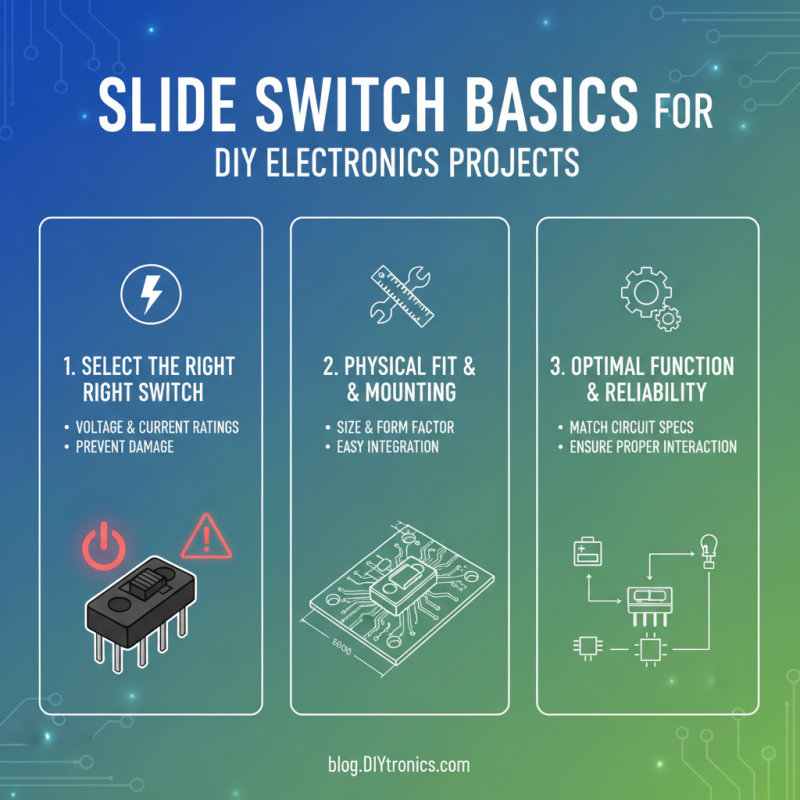
Integrating slide switches into your DIY electronics projects requires careful consideration to ensure optimal functionality and reliability. First, it is crucial to select a slide switch that matches the specifications of your circuit, including voltage and current ratings. This helps prevent damage to the switch or other components. Moreover, pay attention to the switch's physical size and mounting style, as these factors will influence how easily it fits into your design and how it interacts with other parts of the circuit.
When incorporating a slide switch into your design, consider the layout and connectivity. Place the switch in a location that is easily accessible for user interaction, while ensuring that the wiring remains tidy and concise to minimize interference and potential short circuits. It's also beneficial to use appropriate soldering techniques when connecting the switch, as clean and secure connections will enhance the reliability of your circuit. Additionally, labels or indicators can be added next to the switch to provide visual guidance on its function, improving user experience. By following these best practices, you can effectively integrate slide switches into your projects, enhancing both usability and performance.
Common Mistakes to Avoid When Using Slide Switches in Projects
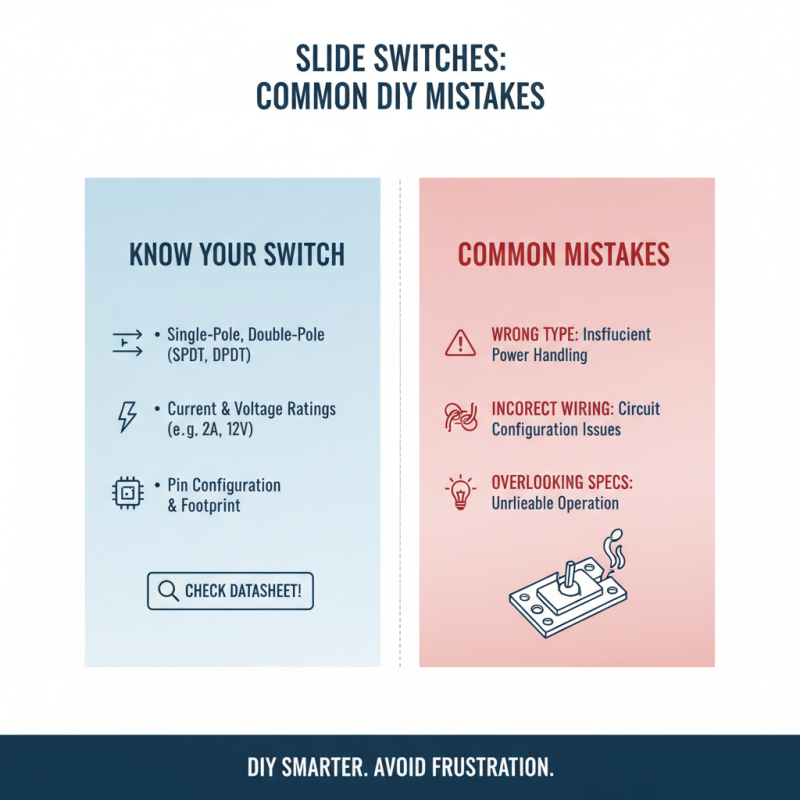
When incorporating slide switches into your DIY electronics projects, it’s important to be aware of common mistakes that can lead to functionality issues. One frequent error is inadequate understanding of the switch's specifications. Slide switches come in various configurations, such as single-pole, double-pole, and different current ratings. Selecting the wrong type for your project could result in insufficient power handling or circuit configuration problems, ultimately disrupting the intended operation of your device.
Another common oversight is improper mounting and wiring. It’s vital to ensure that the switch is securely positioned on the circuit board, as loose connections can lead to intermittent performance. Additionally, make sure to solder leads carefully, avoiding excess heat that might damage the switch components. A well-pinned switch not only improves the reliability of your project but also enhances user experience by providing smooth operation. Furthermore, neglecting to consider physical space can lead to integration problems with other components within your project, so planning the layout is crucial for avoiding future complications.
How to Properly Wire and Mount a Slide Switch for Optimal Function
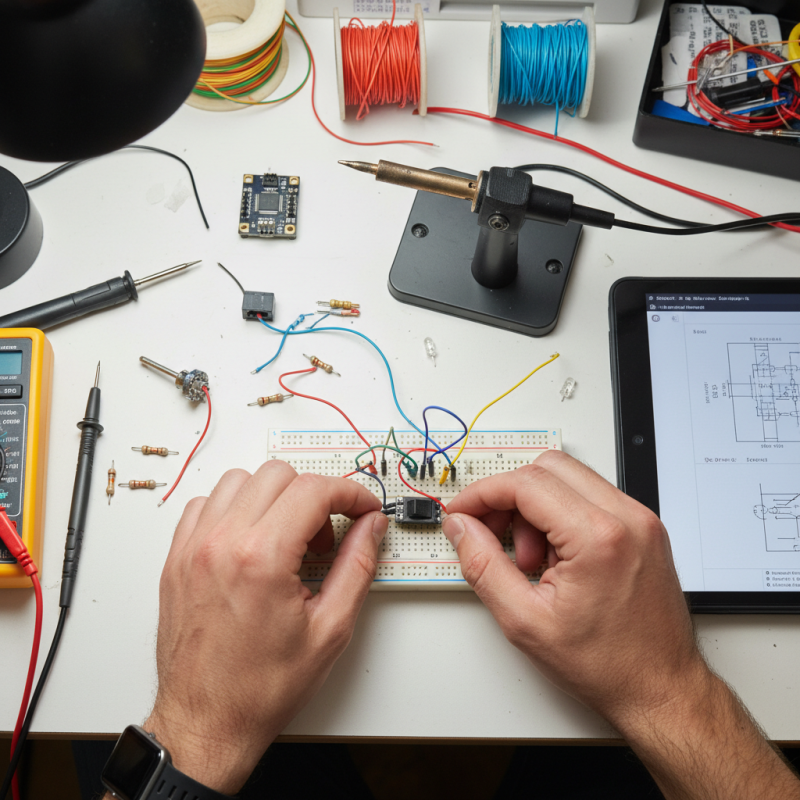
When incorporating a slide switch into your DIY electronics projects, proper wiring and mounting are crucial for ensuring optimal function. Start by selecting the appropriate type of slide switch based on your project’s requirements. Once you have the right switch, it’s essential to understand its terminals—typically, a slide switch will have at least three terminals: one common terminal and two for switching. Use a multimeter to test the switch for continuity and ensure you’re wiring it correctly. The common terminal connects to the power source, while the other two terminals connect to your circuit paths, enabling you to toggle between different states.
When it comes to mounting the slide switch, ensure it is physically secured to avoid any accidental disconnections during operation. You can use a project box or a dedicated mounting panel for a clean installation. When soldering the wires to the switch terminals, take care to create solid connections without any excess solder that might cause shorts. Make sure your wiring routes are neat to ensure that they do not interfere with any moving parts of the switch. By taking the time to wire and mount your slide switch properly, you can enhance the reliability and efficiency of your DIY electronics projects.
Troubleshooting Issues with Slide Switches in Your Electronics Projects
When working with slide switches in DIY electronics projects, troubleshooting is essential to ensure functionality and reliability. Slide switches, which are frequently used due to their straightforward design and ease of use, can present common problems that impact circuit performance. According to a report published by the International Society of Automation, issues related to electrical contacts in switches occur in approximately 30% of all electronic failures, which emphasizes the importance of thorough inspection and testing.
One of the primary issues encountered with slide switches is poor contact, often caused by wear and tear or corrosion over time. Regular maintenance and periodic inspection can help mitigate these issues. A study by the IEEE revealed that implementing a quality control protocol during the manufacturing of switches can reduce failure rates by as much as 20%. It is advisable to use switches rated for higher voltage and current than your project requires, which can significantly enhance longevity and reduce the likelihood of failure due to overload.
Another common problem is the misalignment of the switch mechanism, which can lead to unintentional circuit interruptions. To troubleshoot this, ensure that the switch is mounted securely to the PCB and that there is no debris obstructing its movement. Testing the switch with a multimeter can also reveal intermittent connections, helping you identify and rectify faults before they lead to larger issues in your project. Keeping these troubleshooting techniques in mind will enhance the reliability of your electronic circuits.
The Future of Interactive Gaming and Drone Control: Analyzing Market Trends and Innovations in Joystick Technology
The future of interactive gaming and drone control is poised for transformation, driven by innovations in joystick technology. As the gaming industry continues to evolve, there is a significant demand for more responsive and customizable controls. Featuring advanced rocker potentiometer technology, modern joysticks are being designed to offer enhanced user experiences in various applications, from gaming consoles to drone navigation. These innovative controls allow users to adjust volume, light, speed, and even pressure and temperature, making them versatile tools for interactive gaming scenarios and precise drone manipulations.
The market for such joystick technology is expanding, especially in sectors where precision and user control are paramount, including audio amplifiers, home appliances, and medical devices. The ability to customize specifications based on specific user requirements adds significant value, enhancing the functionality of devices across the board. As the integration of smart features becomes more prevalent, the demand for high-quality joystick systems that accommodate a range of applications, including remote control equipment and communication electronics, is expected to rise. Ultimately, the continuous advancements in joystick technology will play a critical role in shaping the experiences of gamers and drone operators alike, ushering in an era of superior interactivity and control.
FAQS
: Slide switches are used as manual controls to easily open or close circuits, allowing users to control power, change modes, or select different functionalities in devices.
It's important to choose a slide switch that is rated for the voltage and current levels of your project. This helps guarantee safe operation and prolongs the switch's lifespan.
Implementing a clear labeling system, using colorful or labeled switch covers, can aid visibility and help users quickly identify the functions of multiple switches in a project.
The main types include single-pole single-throw (SPST) switches for simple on/off control and single-pole double-throw (SPDT) switches for toggling between two circuits.
Key specifications to consider include current rating, voltage rating, physical size, mounting type, and actuation style, as these will affect performance and durability.
Creating a prototype allows you to test the usability of the switch, ensuring it integrates well with other components and provides the desired tactile feedback during operation.
High-quality slide switches can handle currents up to 20A and voltages of 250V, making them suitable for a broad range of applications.
The physical size must be measured against the available space in your project to ensure the switch fits properly without interfering with other components.
Switches with tactile feedback provide a clear indication that they have been activated, enhancing user experience during operation.
Properly positioned and labeled slide switches improve accessibility and intuitiveness, leading to a better overall user experience in electronics projects.
Conclusion
In the world of DIY electronics, a slide switch is an essential component that allows users to control circuits effectively. Understanding the basics of slide switches is crucial for successful electronics design. Various types of slide switches cater to different project needs, and knowing their specifications can help you select the ideal switch for your application.
When integrating slide switches into your circuit designs, following best practices can enhance functionality and reliability. Common mistakes often arise from improper wiring or mounting, but troubleshooting these issues can lead to a seamless user experience. By applying the insights gained from exploring slide switches, DIY enthusiasts can significantly improve the performance and longevity of their electronics projects.

 +86 18928646960+86 13630152584
 Contact Email