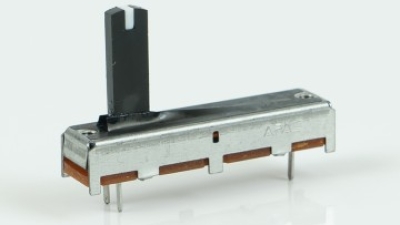
In the fast-paced world of electronic components, picking the right Direct Slide Resistor can really make or break your project. With so many options out there, it's understandable that both engineers and hobbyists might find it pretty overwhelming. As John Thompson, a well-respected expert at Tech Innovations Inc., once said, "The right Direct Slide Resistor doesn’t just boost performance—it also keeps your project reliable." His words remind us that understanding what your specific application needs is super important when choosing a resistor.
When you're evaluating your options, it’s a good idea to pay attention to a few key factors: resistance value, tolerance, power rating, and physical size. These details all impact how smoothly the resistor fits into your overall design. As you check out different products, remember—making an informed choice now can save you headaches later, help your workflow go more smoothly, and increase your chances of success.
In this guide, we’ve put together ten handy tips to help simplify picking the perfect Direct Slide Resistor for your projects. With some insider tips and expert advice, you’ll be all set to tackle your next design with confidence and clarity.
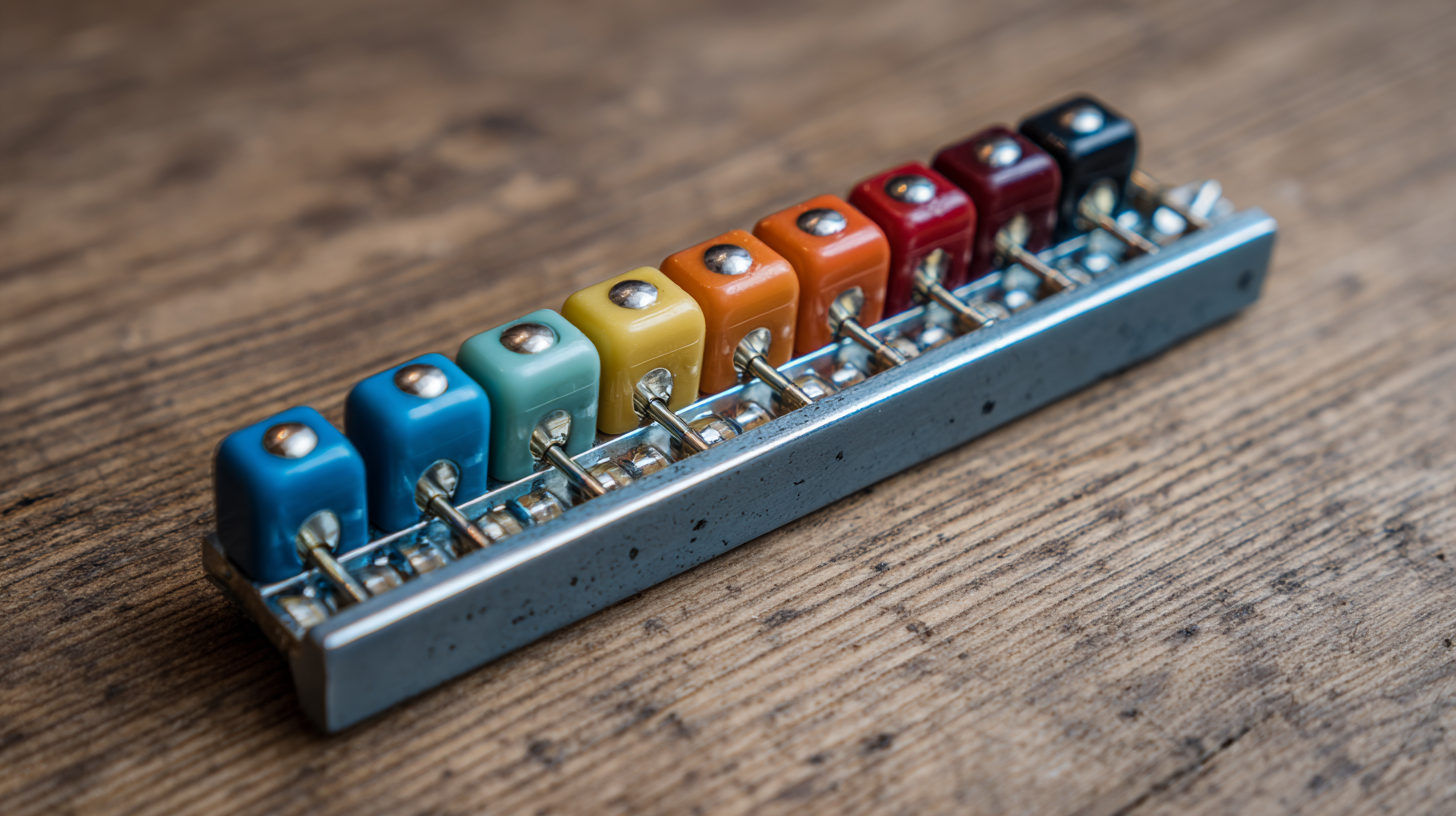
Understanding the Basics: What is a Direct Slide Resistor?
A direct slide resistor is an essential component in various electronic projects, primarily used to adjust the resistance within a circuit. Unlike fixed resistors, direct slide resistors, also known as variable resistors or potentiometers, allow for real-time adjustments of resistance values. This flexibility makes them ideal for applications such as volume controls in audio equipment or as part of feedback loops in sensors.
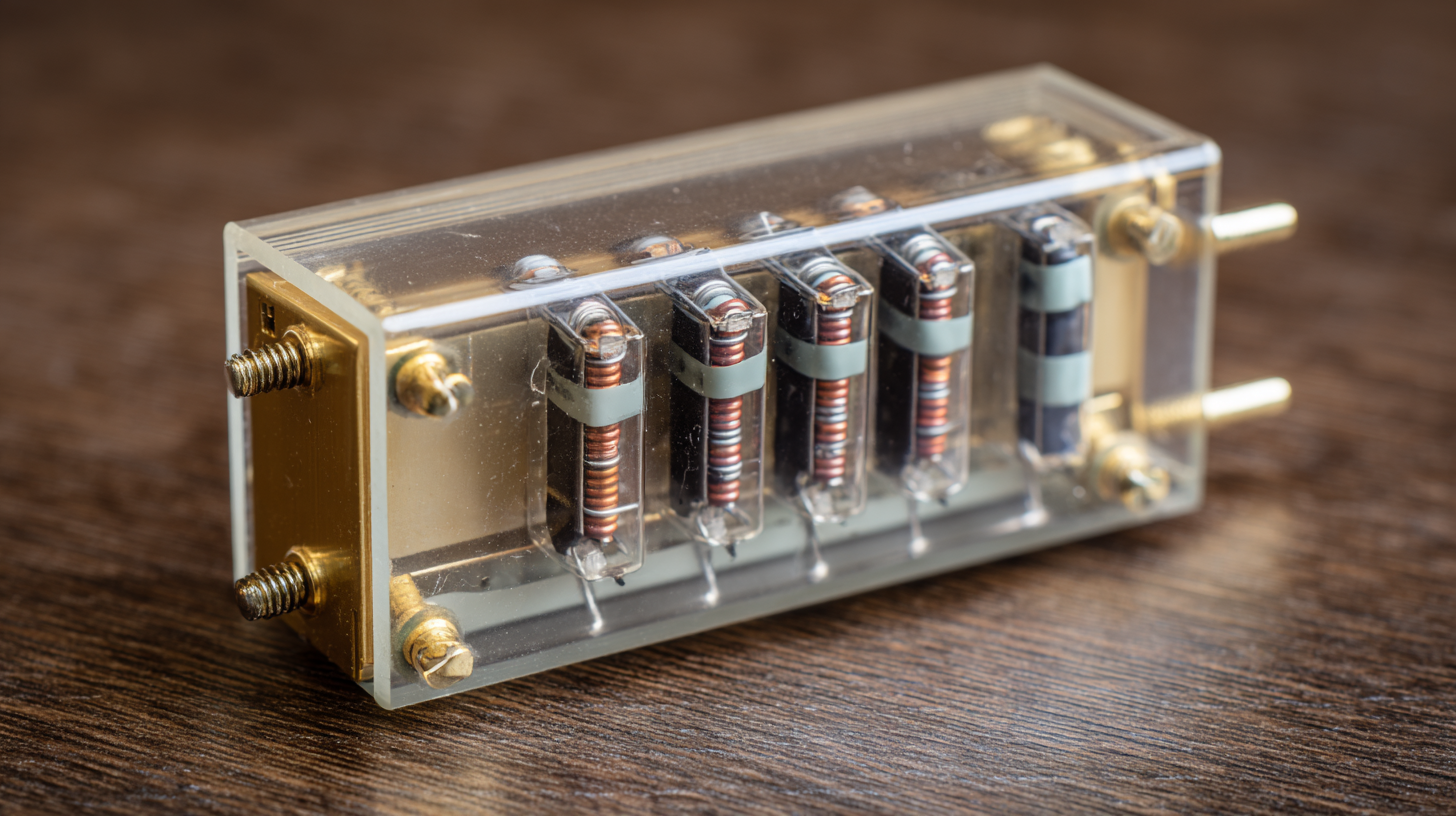
Understanding the functionality of a direct slide resistor is crucial for effectively integrating it into your projects. These devices typically consist of a resistive element and a sliding contact that moves along its length to change resistance. The slider can be adjusted manually, providing users with the ability to fine-tune electrical signals or control power levels dynamically. Familiarizing yourself with their specifications, such as resistance range and power rating, ensures optimal performance and compatibility with other circuit components. This knowledge is instrumental when selecting the right resistor for targeted applications in your electronic endeavors.
Factors to Consider: Power Ratings and Resistance Values
When selecting a direct slide resistor for your projects, power ratings and resistance values are critical factors to consider to ensure optimal performance and reliability. The power rating of a resistor indicates the maximum amount of power it can dissipate without failure. It's essential to choose a resistor with a power rating that exceeds the expected load in your application, as exceeding this limit can result in overheating and ultimately compromise the circuit's integrity.
Resistance values, on the other hand, determine how much current will flow through the resistor at a given voltage. Therefore, understanding the specific requirements of your project—whether it's a high-resistance application for signal integrity or a low-resistance scenario for efficient current management—is crucial. Furthermore, consider the environmental conditions the resistor will face, as temperature fluctuations and humidity can affect its performance. By carefully assessing these factors, you can ensure the selected resistor will meet your project's needs effectively and reliably.
Power Ratings and Resistance Values of Direct Slide Resistors
Material Matters: Choosing the Right Construction for Your Needs
When it comes to selecting the right direct slide resistor for your projects, the choice of materials plays a pivotal role in ensuring performance and reliability. Different materials can significantly influence not only the resistive properties but also the thermal stability and overall durability of the resistor. For instance, common materials like carbon composition resistors may offer good performance in general applications, but they tend to have a higher temperature coefficient, making them less suitable for high-precision tasks. On the other hand, metal film resistors exhibit better stability and lower noise, making them a preferred choice for audio and precision applications.
Tip: Always assess the operating environment of your project. If your resistor will be exposed to fluctuating temperatures or humidity, opt for materials designed to withstand these conditions, such as ceramic or thick film resistors, which have proven effective in challenging environments.
Furthermore, recent industry reports indicate a growing trend toward the adoption of custom-built resistors to meet specific project needs. This shift reflects an increasing demand for tailored solutions that optimize performance across various applications, from industrial automation to consumer electronics. By considering the appropriate construction materials, you can ensure longevity and reliability in your projects while staying ahead of industry standards.
Tip: Conduct a thorough analysis of the application's requirements including load, size, and any environmental factors that may impact performance to make an informed material choice.
10 Essential Tips for Choosing the Right Direct Slide Resistor for Your Projects
| Tip Number |
Tip Title |
Description |
Considerations |
| 1 |
Understand Your Project Requirements |
Identify the specific voltage and current ratings needed for your application. |
Consider operating conditions and energy dissipation needs. |
| 2 |
Select the Correct Resistor Type |
Choose between fixed, variable, or adjustable resistors. |
Match the resistor type to your project's control requirements. |
| 3 |
Consider Power Rating |
Ensure the resistor can handle the power without overheating. |
Assess thermal management solutions if necessary. |
| 4 |
Material Selection |
Choose resistors made from the right materials for durability. |
Evaluate factors such as moisture resistance and thermal stability. |
| 5 |
Size and Form Factor |
Consider the physical space available in your project for the resistor. |
Factor in heat dissipation and accessibility for adjustments. |
| 6 |
Tolerance Levels |
Select resistors with an appropriate tolerance for your needs. |
Higher precision may be essential for sensitive applications. |
| 7 |
Heat Dissipation Mechanism |
Assess how heat will be managed within your system. |
Consider heatsinks or cooling fans to extend component life. |
| 8 |
Environmental Conditions |
Select resistors suitable for the operating environment. |
Consider operating temperature ranges and potential contaminants. |
| 9 |
Budget Constraints |
Factor in the cost of the resistors when selecting options. |
Be mindful of the trade-off between quality and price. |
| 10 |
Supplier Reputation |
Choose reputable suppliers for quality assurance. |
Research customer reviews and product certifications. |
Application-Specific Tips: Resistors for Various Projects
When selecting a direct slide resistor for your specific projects, it's crucial to consider the application requirements to ensure optimal performance. For audio applications, for example, a resistor with a lower noise coefficient is essential, as it can significantly impact sound quality. According to a recent industry report published by the Electronic Industry Association (EIA), roughly 30% of audio professionals cite resistor thermal noise as a critical factor in their design choices. By prioritizing components that minimize noise, designers can create clearer and more reliable audio devices.
In contrast, for power electronics applications, such as motor drives or power converters, resistors must handle higher currents and voltages efficiently. Data from the Power Electronics Research Group shows that using the right thermal management techniques can enhance a resistor's lifespan by up to 50%. Implementing resistors specifically designed for high-load conditions, such as wire-wound or thick film resistors, can prevent thermal degradation and ensure stable operation under stress. Identifying the right resistor type tailored to the operational environment is paramount for the longevity and performance of your project.
Cost vs. Quality: Balancing Budget with Performance
When selecting a direct slide resistor for your projects, one of the most critical considerations is the balance between cost and quality. Often, the temptation to opt for cheaper options can lead to short-term savings; however, this can significantly impact the overall performance of your project in the long run. Lower-cost resistors may not withstand the operating conditions, leading to failures that could compromise the functionality of your circuit or device.
On the other hand, investing in high-quality resistors can enhance reliability and efficiency, ultimately providing a better return on investment. Quality resistors often come with better materials, superior construction, and more precise resistance values, which ensure that your projects perform optimally. It's essential to analyze your specific requirements and determine the necessary specifications before making a purchasing decision. By striking a balance between budget and performance, you can ensure that your project stays on track and meets its intended goals without unnecessary costs or setbacks.
Where to Buy: Trusted Suppliers for Direct Slide Resistors
When it comes to sourcing direct slide resistors for your projects, selecting a reliable supplier is crucial. Trusted suppliers not only offer high-quality products but also provide essential technical support, ensuring that you choose the right components for your specific needs. Look for suppliers with a good reputation in the industry, which can often be assessed through customer reviews and testimonials. Websites focused on electronic components often feature reliable brands that guarantee product authenticity and performance.
Additionally, consider suppliers that offer a comprehensive inventory of direct slide resistors. This includes various resistance values and configurations, allowing for greater flexibility in your projects. Suppliers with a user-friendly website, detailed product descriptions, and helpful customer service can significantly streamline your purchasing process. Be sure to check for return policies and warranty options, as these are indicators of a supplier's confidence in their products and commitment to customer satisfaction.
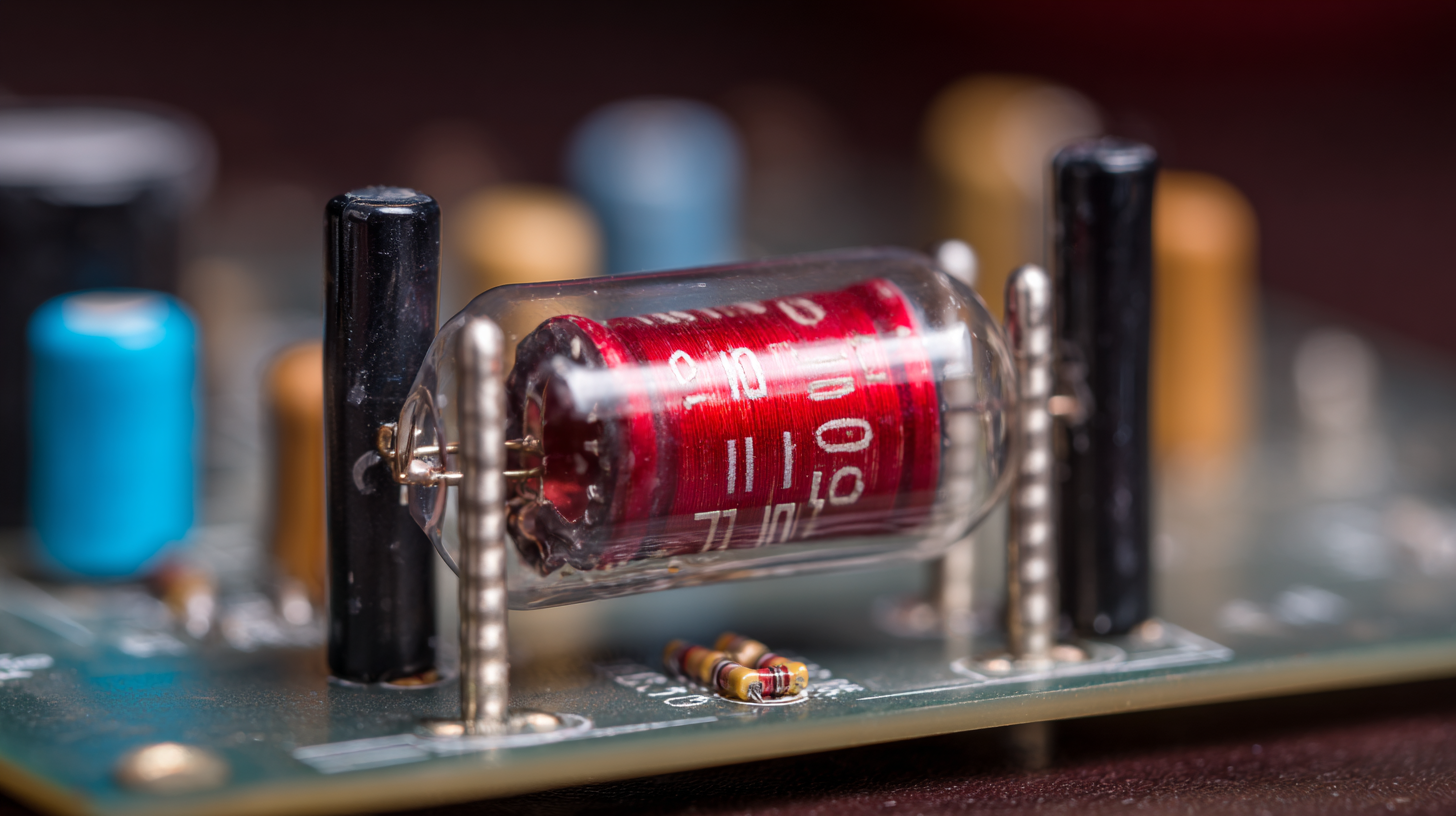
Enhancing Audio Control Precision: Insights from Recent Industry Reports on Slide Potentiometer Trends and Applications
Recent industry reports highlight the growing significance of slide potentiometers in enhancing audio control precision across various applications. With the increasing demand for superior sound quality in audio amplifiers and speakers, sliding potentiometers like the APAI SC2043N are proving indispensable. The ability to customize specifications to suit different requirements makes these components particularly valuable in the rapidly evolving audio industry. Notably, the market for slide potentiometers is expected to witness a substantial growth rate, driven by their application in consumer electronics and medical equipment.
The SC2043N model, manufactured in Guangdong, China, exemplifies a high-quality sliding potentiometer ideal for adjusting volume, lighting, speed, and even temperature. Reports indicate that as devices become more sophisticated, the demand for precise control mechanisms has surged, prompting manufacturers to develop innovative solutions. With a minimum order quantity of 2000 units, the SC2043N caters to both large-scale producers and smaller enterprises looking for reliable audio control solutions. Applications range from home appliances to remote control equipment, highlighting the versatility and necessity of slide potentiometers in modern electronics. As industry needs evolve, investing in advanced products that promise precision and adaptability, like the SC2043N, is critical for staying competitive in the audio control market.
FAQS
: The critical factors include power ratings and resistance values, which ensure optimal performance and reliability.
Choosing a resistor with a power rating that exceeds the expected load prevents overheating and protects the circuit's integrity.
Resistance values determine the amount of current flowing through the resistor at a given voltage, which is crucial for meeting specific project requirements.
Environmental factors such as temperature fluctuations and humidity can affect a resistor's performance, so it's important to consider these conditions during selection.
For audio applications, resistors with a lower noise coefficient are essential to minimize thermal noise and enhance sound quality.
Utilizing appropriate thermal management techniques and selecting resistors designed for high-load conditions, such as wire-wound or thick film resistors, can enhance lifespan by up to 50%.
Lower-cost resistors may not withstand operating conditions, leading to potential circuit failures and reduced functionality.
A balance ensures reliability and efficiency, offering a better return on investment while avoiding unnecessary costs and project setbacks.
High-quality resistors generally have better materials, superior construction, and more precise resistance values, ensuring optimal project performance.
Analyzing specific project requirements and determining necessary specifications helps guide the selection process to meet intended goals effectively.
Conclusion
When selecting the right Direct Slide Resistor for your projects, it is essential to understand the basics of how these components function and their applications. Key factors to consider include power ratings and resistance values, which ensure compatibility with your circuit requirements. The material used in the construction of the resistor can significantly affect its performance, making it crucial to choose one that aligns with your specific needs. Additionally, consideration of cost versus quality plays a vital role in maintaining an optimal balance between budget constraints and desired performance.
Foshan Apai Electronic Co., Ltd. stands out as a leading enterprise in the Chinese Mainland, offering comprehensive support for all aspects of Direct Slide Resistor production, from research and development to manufacturing and assembly. This capability allows for high-quality components tailored for various applications, ensuring that customers have access to reliable products from trusted suppliers in the industry.

 +86 18928646960+86 13630152584
 Contact Email