So, if you're starting a project that relies on really precise variable resistance control, picking the right motorized potentiometer can make all the difference in how well your system performs and how smoothly it runs. I mean, based on some recent industry reports from Research and Markets, the market for these gadgets is actually expected to grow pretty steadily—like about 6.7% annually from 2023 to 2030—thanks to the rapid push in automation tech and the booming audio-visual scene. Honestly, with so many options out there, it’s super important to really understand what features matter and how these components fit into your overall design. Otherwise, you might end up with something that just doesn’t quite cut it.
I spoke with Dr. Sandra Reynolds over at Precision Controls Inc., who’s pretty much an expert in the field. She mentioned, “Choosing the right motorized potentiometer can seriously boost your project’s functionality, especially when you need it to work seamlessly within control systems.” That kinda tells you how crucial it is to make an informed choice. To get it right, you’ve gotta think about stuff like power ratings, size, whether it plays nice with your interface, and how accurate the control is. Get those things right, and you’ll be able to optimize your designs and get better results all around.
In the upcoming sections, I’m going to share ten handy tips to help you pick the perfect motorized potentiometer for whatever you’re working on. Trust me, these little insights can really make your life easier and save you some headaches down the line.
Consider Your Project Requirements and Specifications
When selecting a motorized potentiometer for your project, understanding the specific requirements and specifications is critical. Begin by identifying the parameters that matter most to your application, such as the resistance range, power rating, and the type of feedback mechanism you require. Knowing whether you need a linear or logarithmic taper can significantly influence the performance of your circuit. Assess the operational environment, including temperature ranges and potential exposure to humidity or dust, as these factors can affect the longevity and functionality of the component.
Additionally, consider the size constraints of your project. Motorized potentiometers come in various sizes, and choosing one that fits well within your design is essential. Pay attention to the mounting type—through-hole or surface mount—as this will determine how easily the component can be integrated into your circuit board. Compatibility with your existing control systems, such as analog or digital interfaces, is another important aspect to evaluate. These considerations will ensure that the motorized potentiometer you choose not only meets your functional needs but also integrates seamlessly into your overall project design.
Understand the Different Types of Motorized Potentiometers
When selecting a motorized potentiometer for your project, understanding the different types available is crucial for optimal performance. Motorized potentiometers are generally categorized into analog and digital types. Analog motorized potentiometers utilize a mechanical wiper to adjust resistance, which can lead to issues like control stick drift, a common problem that affects the precision of user inputs. In contrast, digital motorized potentiometers leverage microprocessor technology to deliver more accurate readings and smoother operation, helping mitigate drift problems.
The DP4 microprocessor-based digital potentiometer exemplifies the advancements in this field by offering a digital readout in various engineering units, enhancing usability for engineers. According to recent industry data, the global market for digital potentiometers is expected to grow significantly, driven by increasing demand for precision control in applications ranging from automotive to consumer electronics. The ability to select the appropriate type based on project requirements not only ensures better functionality but also contributes to the longevity and reliability of electronic systems. By considering the specific needs your project might have, such as control sensitivity and environmental factors, you can make a well-informed decision that enhances overall performance.
Motorized Potentiometers: Types and Applications
Evaluate the Control Interface and Compatibility
When evaluating the control interface and compatibility of motorized potentiometers for your project, it’s important to consider how seamlessly these components will integrate with your control systems. Recent advancements in control technologies, such as high-density electromyography (HDEMG), demonstrate the increasing demand for responsive and efficient interfaces, particularly in assistive devices. A well-chosen motorized potentiometer can enhance the functionality of such systems, providing the necessary precision and control for intricate tasks.
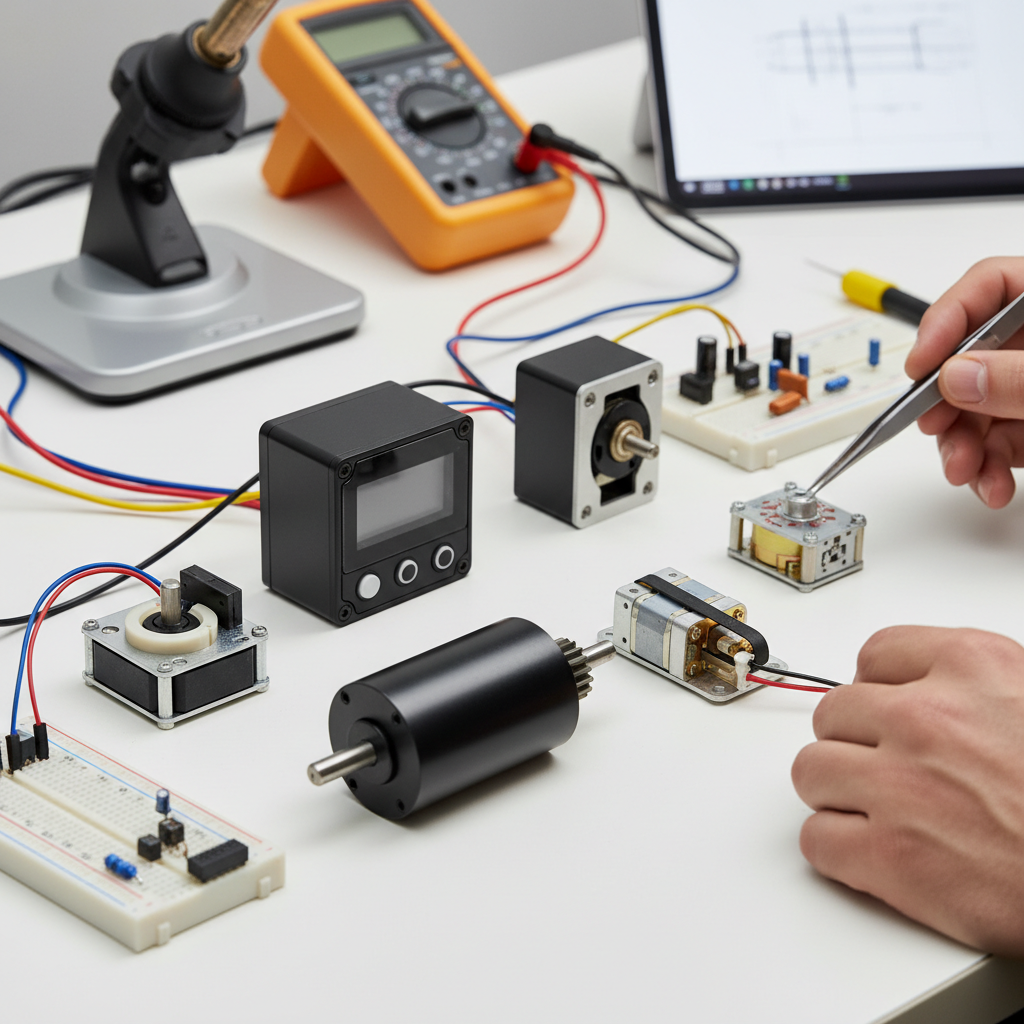
Tip 1: Always assess the communication protocols supported by the potentiometer, ensuring they align with your system's requirements. For example, many modern devices utilize I2C or SPI interfaces, which can significantly influence the integration process.
Tip 2: Take into account the physical dimensions and mounting options of the potentiometer in relation to your project's design. A compact size might be necessary for certain applications, especially in portable or constrained environments, such as those leveraging gesture-based controls in mobile manipulators.
The compatibility of the potentiometer with existing hardware and software can greatly affect the project’s success. Whether you’re developing a wearable device or a more complex embedded system, understanding these aspects can lead to better performance and user experience.
Assess the Quality and Reliability of Components
When selecting a motorized potentiometer for your project, assessing the quality and reliability of the components is crucial. High-quality potentiometers not only promise better performance but also enhance the overall durability of your system. Look for reputable manufacturers that provide detailed specifications, including materials used in construction and environmental ratings. Potentiometers made from robust materials such as carbon or metal can withstand varying conditions and ensure longevity, especially in demanding applications.
Additionally, checking for certifications and performance ratings can give you insights into the reliability of a motorized potentiometer. Components that meet industry standards are often subjected to rigorous testing, ensuring they can handle specified loads and operational ranges without failure. It is also beneficial to read reviews and seek recommendations from other users in similar fields, as real-world experiences can highlight potential issues or exceptional quality. Ultimately, investing time in evaluating the quality of components will pay off by minimizing risks and ensuring smoother operation in your project.
Budgeting: Finding the Best Value for Your Project
When embarking on a project that necessitates the integration of a motorized potentiometer, budgeting effectively becomes crucial for ensuring that you achieve the best value without compromising on quality. According to recent industry reports, the global home renovation market is projected to grow from $204.25 billion in 2025 to $265.96 billion by 2032, reflecting a compound annual growth rate of 3.79%. This growth indicates that investing wisely in components such as motorized potentiometers can yield significant returns, as proper budgeting allows for better procurement strategies.
Notably, when assessing your budget for a motorized potentiometer, it is essential to consider the often underappreciated costs associated with poor decision-making. The International Monetary Fund suggests that countries should avoid tax exemptions and prioritize budgetary strategies that align with set financial parameters. By channeling these principles into project planning, you can avoid unexpected expenditures and focus on sourcing quality components that align with your goals while enhancing the overall budget efficiency of your project.
10 Essential Tips for Choosing the Right Motorized Potentiometer for Your Project - Budgeting: Finding the Best Value for Your Project
| Tip Number |
Tip Title |
Description |
Estimated Cost Range |
| 1 |
Define Your Application Needs |
Understand the specific requirements of your project, including range, usage, and environment. |
$10 - $30 |
| 2 |
Evaluate Precision Requirements |
Consider the resolution needed for your application to choose the appropriate model. |
$15 - $50 |
| 3 |
Look for Quality and Durability |
Select potentiometers that are known for their robust construction and longevity. |
$20 - $70 |
| 4 |
Check for Compatibility |
Ensure the potentiometer is compatible with your existing electronic setup. |
$10 - $25 |
| 5 |
Assess Power Ratings |
Be mindful of the power requirements to avoid damage and ensure proper functionality. |
$15 - $60 |
| 6 |
Compare Prices |
Research and compare products to find the best price without compromising quality. |
$12 - $40 |
| 7 |
Consider Size and Form Factor |
Make sure the size fits within your project’s design parameters. |
$10 - $35 |
| 8 |
Read Reviews and Ratings |
Look for user feedback to gauge reliability and performance. |
$5 - $20 |
| 9 |
Evaluate Vendor Support |
Select vendors that offer good customer service and technical support. |
$15 - $45 |
| 10 |
Test Before Committing |
If possible, test the potentiometer in your circuit to ensure it meets expectations. |
$10 - $30 |
Future Scalability and Upgradability Considerations
When selecting a motorized potentiometer for your project, it's crucial to consider
future scalability and upgradability. According to a recent report from the
International Electrotechnical Commission, the global demand for adjustable electronic components is projected to increase by
15% annually over the next five years. This growth underscores the importance of choosing a potentiometer that
not only meets immediate specifications but can also adapt to future needs.
One essential tip is to opt for motorized potentiometers with standardized communication protocols, such as
I2C or SPI. This ensures
compatibility with various systems and allows for easy integration as new technologies emerge. Additionally, select models that offer firmware upgradability. For instance,
a potentiometer with a dedicated software platform can be easily updated, extending its lifecycle and functionality in line with evolving project requirements.
Lastly, consider the physical dimensions and mounting options of the potentiometer. Ensure that your choice will fit within potential future designs or
expansions. A study from the
IEEE showcases that projects integrating modular components tend to reduce overall development time by
25%, highlighting the efficiency gained through foresight in component selection.
FAQS
: You should assess your project requirements, including resistance range, power rating, feedback mechanism, operational environment, size constraints, mounting type, and compatibility with existing control systems.
Identify the specific parameters that matter most to your application, such as whether you require a linear or logarithmic taper, and consider environmental factors like temperature and humidity.
High-quality components enhance performance and durability, ensuring longevity, especially in demanding applications.
Look for potentiometers made from robust materials like carbon or metal, which can withstand various conditions and ensure reliability.
Check for certifications, performance ratings, and read reviews or seek recommendations to determine the reliability of the component.
Plan your budget to achieve the best value without sacrificing quality; avoid poor decision-making costs by sourcing quality components strategically.
Poor decision-making can lead to unexpected expenditures, which can strain your budget. Align your procurement strategies with financial parameters to mitigate this risk.
Ensure the selected potentiometer fits the size constraints, mounting type, and is compatible with your control systems.
Evaluating component quality minimizes risks and ensures smoother operation in your project, leading to a more successful outcome.
Conclusion
When selecting the right motorized potentiometer for your project, it is crucial to consider several essential factors. First, clearly define your project requirements and specifications to ensure compatibility and functionality. Understanding the different types of motorized potentiometers available will help you make an informed decision. Additionally, evaluate the control interface to ensure it meets your needs, while also assessing the quality and reliability of the components to guarantee durability.
Budgeting plays a significant role in your selection process, as finding the best value will help you optimize your project's cost-effectiveness. Finally, consider future scalability and upgradability to make sure your chosen motorized potentiometer can adapt to potential advancements in your project. At Foshan Apai Electronic Co., Ltd., we pride ourselves on our comprehensive capabilities in this field, providing reliable and innovative solutions to meet all your motorized potentiometer needs.

 +86 18928646960+86 13630152584
 Contact Email