+86 18928646960+86 13630152584
Leave Your Message
-
Contact Phone
-
Contact Email
-
 Contact Email
Picking the right Slide Potentiometers isn’t just about matching a resistance value. You’ve got to consider if the control will fit well into the circuit, match the enclosure, and feel comfortable in the user’s hand. For example, a studio mixer might need a smooth 60 mm travel, whereas a lighting console could require stronger detents and frequent adjustments. These small differences can make a big impact on things like comfort, noise levels, how long they last, and overall control precision.
Start by looking at the electrical specs. Check the resistance, taper, rated power, insulation, and allowable tolerance listed in the datasheet. For audio stuff, a logarithmic taper is common, but if you’re dealing with linear control systems, a linear response might be what you need. The mechanical details are just as important—measure the shaft length, mounting type, panel thickness, travel distance, and terminal orientation before you order samples. A few millimeters can mean the difference between a tight fit and a mess of modifications. It’s a good idea to test real units under the conditions they’ll actually face—think load, temperature, and how often you’ll be adjusting them. Keep an ear out for crackling sounds, and gauge how smooth the slider feels.
Reliability isn’t just about the specs—it also depends on dust protection, contact construction, and how many times they’re rated to operate. Independent test results and traceable manufacturing info speak volumes more than slick photos online. Still, don’t rely on specs alone—remember, I’ve seen components with top reviews fail because their guide rails got clogged with debris, and that tiny detail is easy to overlook. When comparing options, think about cost, availability, maintenance, and how consistent they’ll perform over time. Sometimes, the most expensive isn’t the best choice—what matters is how well they perform in the real environment where users will actually be using them. Double-check your picks before going into full production to avoid surprises down the road.
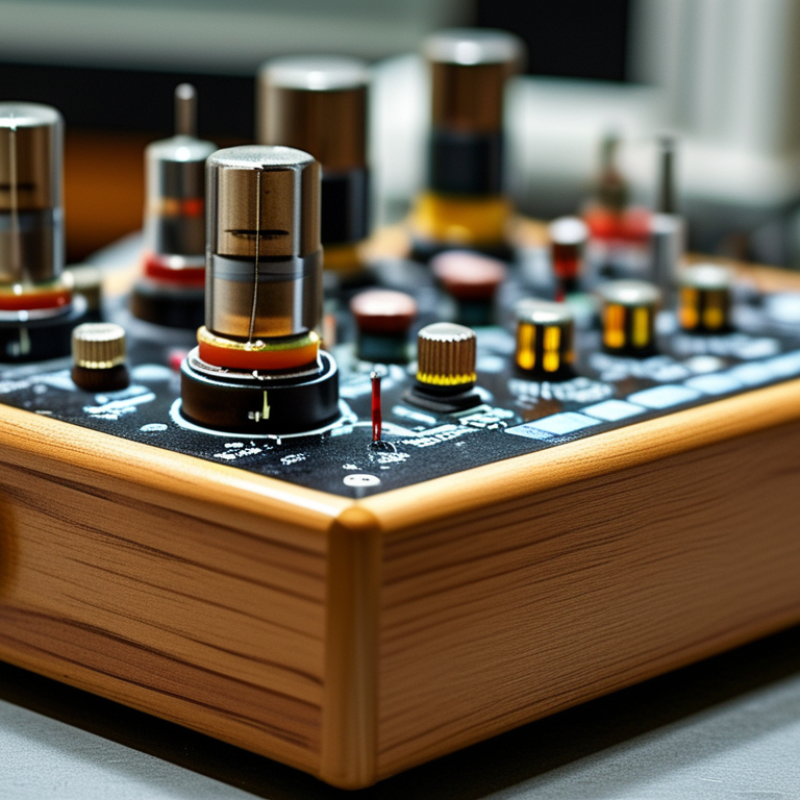
A slide potentiometer converts linear knob movement into adjustable electrical resistance. Its key parts include a resistive track, conductive wiper, terminals, and a mechanical guide. Moving the wiper changes the output voltage or signal level. The track material affects noise, lifespan, and consistency. Carbon tracks cost less, while conductive plastic tracks usually provide smoother movement. IEC 60393-1:2015 provides a useful framework for evaluating potentiometer performance and testing requirements. Compare total resistance, linearity, taper, travel length, rated power, and expected cycles.
In practical testing, I watch the signal while moving the slider slowly. A scratchy sound often reveals contact wear or contamination. Rotary Potentiometers suit circular control panels, but slide designs offer clearer visual positioning. Sealing also matters in dusty equipment. The 2024 Global E-waste Monitor reported 62 million tonnes of electronic waste in 2022. That figure encourages longer-lived components and easier maintenance. Still, I sometimes overvalue smooth motion and overlook mounting strength. A fragile guide can fail before the electrical track does.
Tips: Match the taper to the application. Use linear taper for measured adjustment and audio taper for perceived loudness. Check the datasheet’s mechanical life rating, not only resistance tolerance. Leave clearance around the slider. A nearby cable can restrict travel or create unwanted friction. For outdoor or dusty systems, review the enclosure’s IP rating under IEC 60529. Test the complete assembly at temperature extremes. Small details matter.
The SC6082GH is a sliding potentiometer designed for precise, space-efficient control in stereo equipment and electronic interfaces. Its linear B10K version provides 10 kΩ resistance, making it suitable for audio volume adjustment and circuits requiring relatively low impedance. The B100K version offers 100 kΩ resistance, which can reduce current draw and suit high-impedance signal paths. For stereo controls, matched dual-track construction is important because it helps maintain left-right balance throughout the slider’s travel. Custom specifications can be considered for travel length, shaft design, resistance tolerance, and connector configuration.
Industry demand supports the continued use of compact control components: Grand View Research estimates that the global potentiometer market will expand at a steady compound annual growth rate through the end of the decade, driven by consumer electronics, automotive systems, and industrial controls. In practical applications, the SC6082GH can adjust volume, lighting, motor speed, pressure, and temperature in audio amplifiers, speakers, household appliances, medical equipment, communication devices, and remote-control systems. Selection should consider circuit impedance, expected signal level, noise sensitivity, operating environment, and required mechanical durability rather than resistance alone.
For production planning, the stated minimum order quantity is 2,000 units, with manufacturing based in Guangdong, China. B10K is generally preferred when stronger loading and smoother low-level control are required, while B100K is better suited to high-impedance input stages. Testing both channels for tracking accuracy and verifying end-stop reliability can help ensure consistent stereo performance.
: Check the circuit’s input impedance and normal operating conditions. Common values range from 1 kΩ to 100 kΩ. A low value may weaken the signal. A high value may increase noise sensitivity. Measure instead of guessing.
Linear taper suits many control and calibration circuits. Logarithmic taper often suits perceived volume changes. Follow the circuit documentation. Small taper differences can feel surprisingly large. Test several slider positions.
Match the travel to the panel opening and adjustment precision. Short travel saves space but reduces fine control. Longer travel helps during calibration or mixing. Measure the distance between end stops, not only the visible slot.
Check voltage, current, power rating, tolerance, contact resistance, and temperature limits. Include a sensible safety margin. Excessive current can cause heating and unstable output. A short bench test may not reveal this problem.
Carbon tracks are affordable and usually feel smooth. Conductive plastic tracks often provide lower noise and longer service life. Cermet tracks tolerate heat well. Their movement may feel less refined. No option wins everywhere.
Multi-finger wipers maintain contact across small surface imperfections. They may suit vibration-prone equipment. Single-contact wipers are simpler and cheaper. However, long-term consistency can become a concern.
Magnetic position sensing avoids physical track contact. It can reduce mechanical wear during frequent adjustments. Signal conditioning and calibration still require testing. Less wear does not guarantee perfect accuracy.
Check the guide rail, slider friction, end stops, mounting bushings, and terminal strength. A rigid frame limits flexing from sideways pressure. Sealing can reduce dust entry. It may also increase sliding force.
Move the slider slowly and quickly during a bench test. Listen for scratchy noise and check for dead spots. Inspect wobble and friction. Test it inside the intended panel. Datasheets cannot reveal every weakness.
Choosing the best Slide Potentiometers starts with understanding how their sliding wiper changes resistance along a conductive track and how this movement translates into precise control. Begin by defining the required resistance value, taper, and travel length according to the application. Then review electrical ratings, including maximum voltage, current capacity, insulation performance, and expected signal accuracy. These specifications help ensure stable operation and prevent premature wear.
Construction details are equally important. Compare track materials and wiper designs for smooth adjustment, low noise, and consistent performance. Confirm that the mounting style, terminal arrangement, shaft or slider dimensions, and panel space match the equipment layout. Finally, evaluate mechanical durability, cycle life, sealing, resistance to dust or moisture, and the desired operating feel. A well-selected component should balance electrical performance, physical compatibility, reliability, and user comfort, providing dependable control throughout its intended service life.