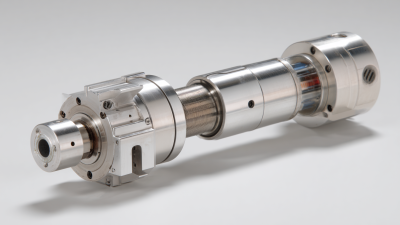
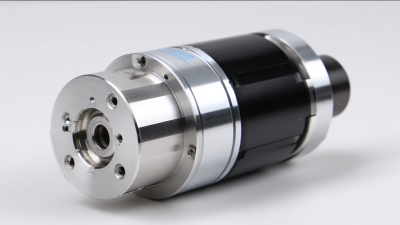
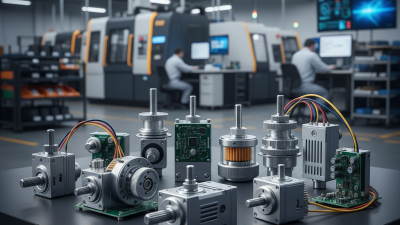
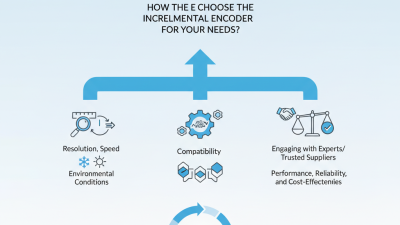
So, in the world of automation and control systems, the Rotary Sensor really stands out as a pretty important part. It’s basically the go-to for keeping tabs on angular position and speed—a key piece for lots of industries that need precise feedback. Companies like Honeywell and Omron? They've really made a name for themselves as leaders in this field.
Now, picking the right Rotary Sensor isn’t exactly a walk in the park. With tons of options out there, it can feel a bit overwhelming trying to figure out what’s best. Engineers often find themselves stuck between different models, each boasting their own set of features—like accuracy and durability. Honestly, understanding what you really need before making a choice is super important.
The market is pretty crowded, and not every sensor performs well under tough conditions. Some might even underperform or fail when things get really demanding. That’s why testing and doing your homework are so crucial. The right Rotary Sensor can seriously boost your system’s efficiency, but, honestly, even initial trials can reveal some gaps. Spotting these issues early on means you can tweak things for better performance and smoother operation. In the end, it’s all about making sure you get the most bang for your buck and keeping things running smoothly.
Overview of Rotary Sensors in the Global Market
Rotary sensors play a crucial role in various industries. These devices convert rotational movement into electrical signals. They are widely used in automation, robotics, and automotive applications. Precision and reliability are key factors driving their demand. Understanding the global market for rotary sensors is essential for manufacturers and buyers alike.
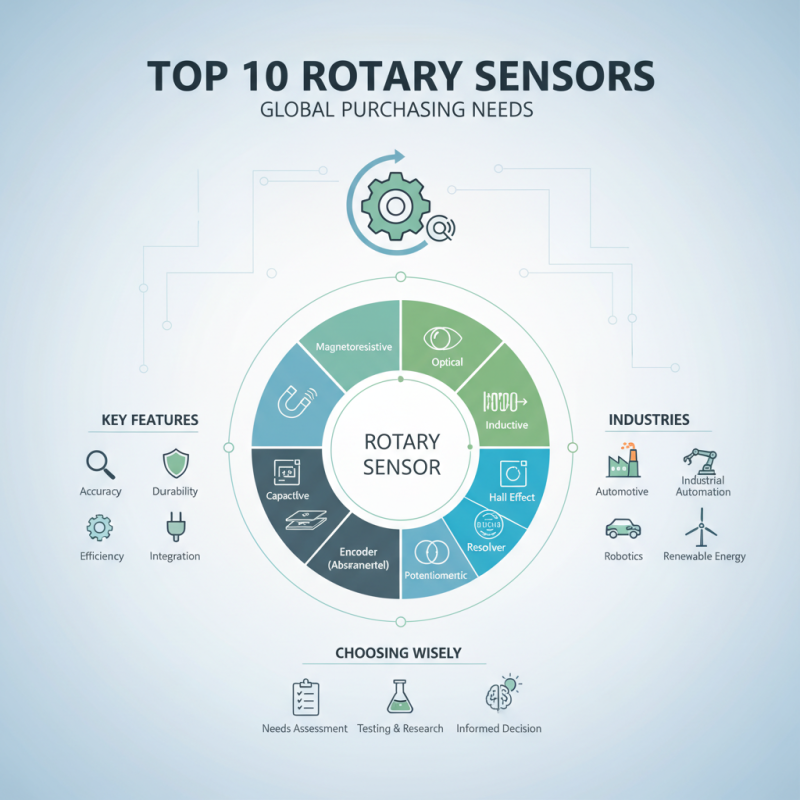
The versatility of rotary sensors caters to diverse environments. They come in various types, including optical, magnetic, and capacitive. Each type has unique advantages based on its application. For instance, optical sensors provide high accuracy, while magnetic sensors offer durability in harsh conditions. Buyers must evaluate their specific needs before selection.
Market trends indicate a growing adoption of Sensor Rotary technologies. Industries are increasingly focusing on smart devices. This shift creates opportunities for innovative solutions. However, challenges exist in keeping costs manageable while maintaining quality. Ensuring reliable performance remains a top priority among manufacturers. The evolving landscape calls for continuous improvement and adaptation to meet consumer expectations.
Top 10 Rotary Sensors for Global Purchasing Needs
| Sensor Type |
Measurement Range |
Output Type |
Accuracy (%) |
Price Range (USD) |
| Potentiometric Sensor |
0° to 360° |
Analog |
±1% |
$10 - $50 |
| Optical Encoder |
0° to 360° |
Digital |
±0.1% |
$20 - $100 |
| Magnetic Rotary Sensor |
0° to 360° |
Analog/Digital |
±0.5% |
$15 - $80 |
| Capacitive Sensor |
0° to 360° |
Analog |
±2% |
$30 - $150 |
| Hall Effect Sensor |
-180° to 180° |
Digital |
±1% |
$25 - $75 |
| Resistive Sensor |
0° to 270° |
Analog |
±3% |
$5 - $40 |
| Inductive Sensor |
0° to 360° |
Analog/Digital |
±0.5% |
$50 - $120 |
| Digital Encoder |
0° to 360° |
Digital |
±0.1% |
$30 - $90 |
| Linear Rotary Sensor |
0° to 180° |
Analog/Digital |
±2% |
$45 - $110 |
| Servo Sensor |
0° to 360° |
Digital |
±1% |
$60 - $140 |
Key Factors Influencing Rotary Sensor Selection
Rotary sensors play a crucial role in various applications, influencing design choices across industries. Understanding the key factors affecting rotary sensor selection is essential for effective purchasing. Accuracy is one significant factor. Sensors must provide reliable data for process control. A small error margin can lead to larger issues down the line. Consider sensor resolution, which impacts performance considerably.
Tip: Explore sensor specifications thoroughly. Look for details on accuracy and resolution. Without this knowledge, suboptimal choices may occur.
Another vital aspect is the sensor's environment. Sensors must withstand specific conditions such as temperature, humidity, and potential exposure to chemicals. Sometimes, sensors may not perform as expected in extreme environments. Reflect on the need for protective features. In some cases, what works in one setting fails in another.
Tip: Consult with experts in the field. Their experience can guide you to suitable options for your specific needs.
Signal type and integration ease also significantly influence sensor choice. Ensure compatibility with current systems. Complex installations can lead to increased costs and time delays. Reviewing these factors can optimize performance. Every application presents unique challenges that require thoughtful consideration.
Types of Rotary Sensors Available for Purchase
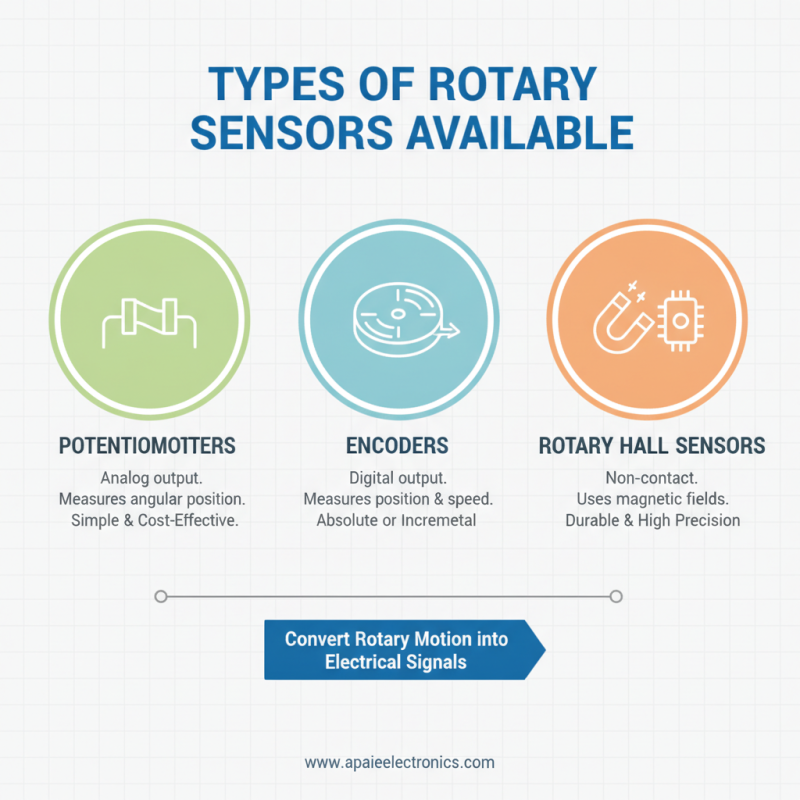
When exploring the assorted types of rotary sensors, several options stand out. These sensors convert rotary motion into electrical signals. Common types include potentiometers, encoders, and Rotary Hall Sensors. Each type functions uniquely, providing various advantages for different applications.
Potentiometers are among the simplest forms. They measure the angle of rotation by changing resistance. Encoders, on the other hand, can offer higher precision. They are valuable in robotics and automation, logging exact position data. The Rotary Hall Sensor is essential when magnetic fields are involved. It accurately detects position without mechanical wear, making it reliable.
However, selecting the right sensor can be daunting. Features vary significantly, and understanding specific needs is vital. Integrated circuits can enhance performance but may complicate setups. Sometimes, what seems ideal may not meet long-term needs. It’s important to consider both current and future applications. Simple solutions often provide flexibility, while complex options may limit adaptability.
Top Brands and Manufacturers of Rotary Sensors
The market for rotary sensors is evolving rapidly. Analysis shows that the demand for these devices has grown by 25% over the past five years.
Rotary Encoder Sensors are crucial in various applications,
including robotics and automotive industries. Understanding top brands and manufacturers can guide purchasing decisions
for businesses worldwide.
Leading manufacturers are focusing on innovation and precision. Reports indicate that sensors must maintain high accuracy while remaining cost-effective.
The competition among firms is driving advancements in technology. Suppliers strive to meet the diverse needs of clients. However, the variety of options may create confusion for buyers. Not all sensors
are compatible with every application, which can lead to costly mistakes.
Challenges persist in ensuring reliability and quality. Companies often struggle to find trusted suppliers who provide consistent performance. The market
is filled with choices, but not all brands have the same reputation. It’s crucial to assess the performance of rotary encoder sensors through customer feedback and industry ratings. Investing in thorough
research is essential to avoid pitfalls in purchasing decisions.
Applications of Rotary Sensors in Various Industries
Rotary sensors play a critical role across various industries. They are essential in manufacturing, automotive, and aerospace sectors. In manufacturing, rotary sensors measure angles and positions with high precision. According to industry data, the global rotary sensor market is projected to reach $4.3 billion by 2026, driven by increased automation.
In the automotive industry, these sensors enable smooth operation of electric power steering systems. They enhance safety and efficiency while improving driver experience. In aerospace, rotary sensors collect data on aircraft orientation. This information is vital for navigation and control systems. However, common challenges exist, such as sensor drift and calibration issues, which can lead to inaccuracies.
Emerging applications continue to expand the utility of rotary sensors. For example, in robotics, they contribute to improved motion control. The growth of robotics is reflected in a 20% annual increase in sensor demand. Manufacturers must address usability and reliability concerns to meet customer needs. Understanding these factors is crucial for future advancements in rotary sensor technology.
Future Trends in Rotary Sensor Technology
The rotary sensor market is evolving rapidly. Industry reports indicate a projected growth rate of 9% annually, driven by advancements in industrial automation and IoT integration. As manufacturing continues to embrace smart technologies, rotary sensors are playing a vital role. These devices provide accurate position feedback, essential for precision control in various applications.
Future trends highlight the increasing demand for miniaturization. Smaller sensors can fit into compact devices without compromising accuracy. Alongside this, developments in wireless technology are changing how rotary sensors communicate data. Reports show that the adoption of wireless sensors is expected to rise by 40% in the next five years. This shift allows for greater flexibility in system design but raises challenges in reliability and security.
Moreover, environmental considerations are shaping sensor design. Companies are encouraged to adopt sustainable materials and energy-efficient technologies. This trend aims to reduce the ecological footprint of production processes. However, some manufacturers struggle to balance cost and sustainability. Achieving this balance remains a challenge as the industry navigates complex regulatory landscapes. As rotary sensor technology advances, continuous reflection on these issues is crucial for progress.
Considerations for Global Purchasing of Rotary Sensors
When considering global purchasing of rotary sensors, there are essential factors to keep in mind. Understanding sensor types ensures that you select equipment fitting your application. A Knob Sensor, for instance, is excellent for precise adjustments. Different sensors offer distinct advantages, so clarity on the intended use is critical.
Another critical aspect is the reliability of suppliers. Researching their reputation can save potential headaches later. Not all suppliers meet high standards. Look for those with solid performance histories and certifications. This guarantees you're investing in quality products that meet international standards.
Tips: Always request samples before placing bulk orders. This helps assess product quality in real-world conditions. Furthermore, maintain open communication with suppliers to resolve any issues quickly. Having clear specifications will reduce misunderstandings regarding product features. Ensure you stay informed about industry trends, as technology evolves rapidly.
FAQS
: Rotary sensors provide position feedback in applications like robotics and automotive industries.
Demand has increased by 25% over the past five years.
Not all suppliers meet high standards, and researching can prevent costly mistakes.
Companies struggle with ensuring reliability and finding trusted suppliers.
Miniaturization is becoming essential, allowing smaller sensors without losing accuracy.
Adoption of wireless sensors is expected to rise by 40%, improving system design flexibility.
Samples help assess quality in real-world conditions, reducing potential issues later.
Understanding sensor types is critical to ensure they fit specific applications effectively.
Companies face challenges balancing cost and sustainability in their production processes.
Lack of research may lead to misunderstandings and unsuitable sensor choices.
Conclusion
Rotary sensors are essential components in various industries, playing a crucial role in providing precise rotational position and speed measurements. The global market for rotary sensors is influenced by several key factors, including technological advancements, application requirements, and the diverse range of sensor types available for purchasing. As industries continue to evolve, selecting the right rotary sensor involves understanding these influences and the specific needs of the application.
The article highlights the various types of rotary sensors, from potentiometric to magnetic and optical models, each with distinct advantages and use cases. Additionally, it discusses emerging trends in rotary sensor technology and their applications in fields such as automotive, aerospace, and robotics. As businesses engage in global purchasing, considerations like quality, reliability, and compatibility become paramount, ensuring the right rotary sensor is chosen to meet demanding operational standards.

 +86 18928646960+86 13630152584
 Contact Email