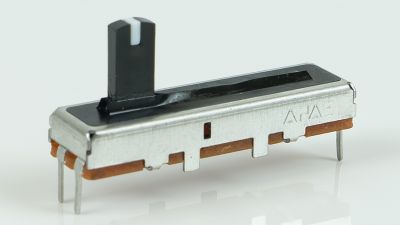
Using a Single Potentiometer in simple circuits can really give your DIY projects a boost. It’s such a handy little component because it makes adjusting resistance super easy, which is probably why hobbyists love it so much. Whether you’re throwing together a basic audio mixer or a light dimmer, a Single Pot can make your life a lot simpler.
Picture this: you’re building an LED circuit where you want the brightness to be adjustable. With just one Single Pot, you can turn that brightness up or down smoothly—no hassle. It helps save space and keeps things less cluttered. But here’s the thing—if you don’t connect it properly, your circuit might act all weird or just plain fail. So, it’s really important to get those connections right.
Experimenting is where the fun is, right? Sure, a Single Pot seems straightforward, but it can bring some challenges too. You’ve gotta balance the resistance values and double-check your connections to keep everything running smoothly. Paying attention to these little details can make a big difference in how well your circuit works.

Understanding Potentiometers: Definition and Function
A potentiometer is an essential component in electronics. It acts as a variable resistor. By adjusting its position, users can control the voltage and current in a circuit. This versatility makes it valuable for various applications, from audio devices to simple LED circuits.
Potentiometers come in different forms. A typical one has three terminals. Two terminals connect to a power source, while the third connects to the load. As you turn the knob, resistance changes. This adjustment can brighten an LED or alter sound in a speaker. However, beginners may find it challenging to connect properly. Incorrect wiring can lead to circuit failures or even damage.
Using a single potentiometer is straightforward for basic designs. But be mindful of your circuit requirements. Sometimes, a small mistake in connection results in unsatisfactory output. Testing and fine-tuning the potentiometer can help. It’s essential to approach this with patience and care. Experimentation may lead to unexpected results, providing invaluable learning experiences along the way.
Types of Potentiometers Suitable for Simple Circuits
When working on simple circuits, choosing the right type of potentiometer is crucial. Various types cater to different needs and applications.
For example, linear potentiometers provide a smooth transition in resistance as you turn the knob. This makes them ideal for volume controls or dimmer switches. They are easier to understand for beginners.
Rotary potentiometers are another option. They offer a compact way to adjust resistance in a circuit. Many people find them intuitive since they mimic the function of other dials used in everyday devices. However, a common oversight is not considering the maximum resistance required for the circuit. Always double-check this when selecting.
Another type is digital potentiometers. They use electronic signals to change resistance. This can simplify integration with microcontrollers. Yet, they might add complexity that beginners may not be ready for. It’s essential to assess your project's scope. Do not overlook the wiring details. This is often where mistakes happen, impacting the circuit’s performance.
Basic Principles of Circuit Design with a Potentiometer
Using a Single Rotary Potentiometer in simple circuits can simplify design and functionality. A potentiometer is a variable resistor, allowing you to adjust voltage in a circuit. This flexibility is crucial in various applications, from audio controls to lighting systems. According to a recent industry report, over 60% of electronic devices utilize potentiometers in their design.
Understanding the basic principles of circuit design with a potentiometer can greatly enhance your projects. When connected to a simple circuit, a Single Rotary Potentiometer can control brightness or volume. The resistance changes as you turn the knob, affecting the current flow. This interaction is essential to creating user-friendly interfaces. However, achieving the desired response can sometimes be tricky. Calibration might be necessary to ensure the potentiometer behaves as expected.
It's also worth noting that not all circuits benefit from a Single Rotary Potentiometer. In some designs, simpler methods may work better. Constant monitoring of the desired output is key. Sometimes, the adjustments may lead to unexpected results, so testing is crucial. Ultimately, a well-implemented potentiometer can enhance the functionality of a simple circuit, but it requires careful consideration of design choices.
Step-by-Step Guide to Connecting a Potentiometer in a Circuit
When connecting a Rotary Single Potentiometer in a circuit, understanding its functionality is key. A potentiometer adjusts resistance and controls voltage. It's commonly used in audio systems and lighting applications. According to industry reports, nearly 30% of electronic devices utilize this component for user interactivity.
To connect the potentiometer, start by identifying its three terminals: the two outer terminals connect to a voltage source, while the middle terminal acts as the adjustable output. Make sure to use appropriate wire sizes to minimize resistance and ensure optimal performance. If you find that the device doesn't work as expected, double-check your connections.
Tips: Always consider the potentiometer's rated value. Using a value too high or low may lead to unfocused outcomes. Additionally, ensure your circuit has a stable power source. Inconsistent voltage can damage the component. Lastly, remember that even small changes in resistance can result in significant shifts in performance. Adjust carefully.
Adjusting Resistance: How to Use the Potentiometer Effectively
Adjusting resistance is a key aspect of working with a single potentiometer in simple circuits. The flexibility of this component allows for effective control over voltage and current. When wired correctly, a Single Direct Slide Potentiometer can significantly enhance your projects.
To adjust resistance effectively, start by understanding how the potentiometer functions. It helps vary resistance smoothly, which can avoid abrupt changes in circuit behavior. As you turn the knob or slide the lever, observe how the connected components react. This feedback is crucial for fine-tuning.
Tips: Always check the ratings of your potentiometer. Using one that isn't rated for your application can lead to unexpected results. If the resistance doesn't change as expected, revisit your wiring. In some cases, dirt or corrosion on the potentiometer can hinder its performance.
Experimenting is essential. Adjust the position gradually and watch for changes in light, sound, or movement in your circuit. This hands-on approach can reveal the nuances of resistance adjustment. Keep a journal of your findings; it’s a great way to track progress.
Common Applications of Single Potentiometers in Simple Circuits
Single potentiometers are widely used in simple circuits for various applications. They are essential components in adjusting resistance and voltage levels. For instance, audio devices often incorporate them for volume control. According to industry reports, around 40% of all electronic devices utilize potentiometers for signal adjustment. This statistic highlights their significance in everyday technology.
In lighting systems, a single potentiometer allows users to dim lights easily. Users can turn the knob to achieve the desired brightness. With energy-efficient LEDs becoming more prevalent, the demand for effective dimming solutions has risen. Some studies indicate that nearly 30% of consumers prefer lights that can be dimmed. This suggests that Potentiometer 2 could enhance user experience in residential and commercial settings.
However, there are challenges with using single potentiometers. Their linear response may not suit all applications. Some circuits may require more versatility, which limits a single potentiometer's effectiveness. Additionally, wear and tear can affect their performance over time. Designers must carefully consider these factors when integrating potentiometer 2 into new devices. Addressing these limitations is crucial for ensuring reliability and functionality.
Troubleshooting: Common Issues When Using Potentiometers
Using a potentiometer in simple circuits can lead to some common issues. One frequent problem is poor connections. Loose wires can cause inconsistent resistance readings. This makes it hard to fine-tune your circuit. If you notice fluctuations in voltage, check the solder joints. A messy connection can throw everything off balance.
Another issue is the potentiometer’s resistance range. Using an incorrect value can lead to circuit failure. If your circuit is not responding as expected, examine the potentiometer rating. A high resistance value might limit current flow. Opting for a lower resistance potentiometer might solve the issue. Also, remember that dust or debris can accumulate and affect performance. Regular cleaning can prevent frustrating malfunctions.
Heat is another consideration. A potentiometer can heat up if the current is too high. This can change its resistance and affect the circuit. Monitor temperature levels during use. If overheating occurs, re-evaluate your design. Sometimes, it's helpful to gather feedback from peers or forums. They might offer insights that you overlooked.
Potentiometer Resistance Levels in Common Applications
Exploring the Benefits and Applications of the Single Connection Straight Slide Potentiometer SC203N in Modern Electronics
The Single Connection Straight Slide Potentiometer SC203N presents a remarkable advancement in potentiometer technology, offering versatile applications across various fields of modern electronics. This sliding potentiometer is specifically designed to facilitate adjustments in numerous settings, allowing users to control volume, light intensity, and operational speeds with exceptional precision. Its customizable specifications make it an ideal choice for developers looking to enhance the functionality of their electronic devices.
In terms of applications, the SC203N proves to be indispensable in audio amplification systems, enabling seamless volume control in speakers and other sound equipment. Additionally, its adaptability extends to home appliances, medical devices, and communication technologies, where precise adjustments are essential. Whether integrated into remote control systems or utilized in temperature and pressure monitoring, the SC203N demonstrates its prowess in delivering reliable performance, making it a preferred component in various electronic applications. By facilitating intuitive user interactions, this potentiometer helps elevate the user experience across multiple platforms.
FAQS
: It aims to enhance daily experiences in specific activities. People use it to improve their performance.
Follow the instructions carefully. Use it consistently for optimal results.
It is designed for adults engaged in specific hobbies or tasks. Ensure safety during use.
Some users report mild discomfort initially. It usually fades with continued use.
Results vary by individual. Some see changes in a few weeks, others may take longer.
Many products offer limited warranty. Check details before purchase to understand coverage.
Yes, it’s versatile. Ensure you adjust settings based on the environment.
Contact customer service for help. They may offer solutions or returns based on policies.
Consult with professionals before combining. Results may vary and interactions could occur.
Keep in a cool, dry place. Avoid extreme temperatures to maintain quality.
Conclusion
The article titled "How to Use a Single Potentiometer for Simple Circuits?" explores the fundamental aspects and practical applications of using a single potentiometer in circuit design. It begins by defining what a potentiometer is and its role in controlling electrical resistance. The article then outlines various types of potentiometers that are best suited for simple circuits, emphasizing their functionality and ease of use.
Following this, the article provides a step-by-step guide on how to connect a single potentiometer in a circuit, ensuring users understand the basic principles of circuit design. Additionally, it discusses effective techniques for adjusting resistance with the potentiometer and highlights common applications where a single potentiometer can enhance functionality. Lastly, the article addresses troubleshooting tips for common issues that may arise when utilizing potentiometers, equipping readers with the knowledge to successfully implement this versatile component in their projects.

 +86 18928646960+86 13630152584
 Contact Email