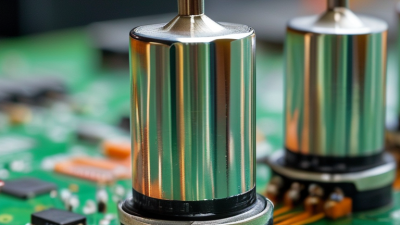
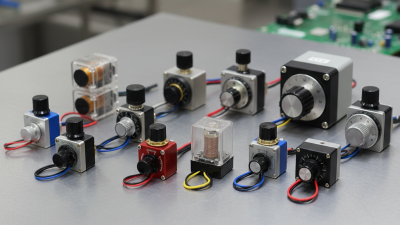
When you're diving into electronic projects, picking the right components can really make or break the whole thing. I remember Dr. John Smith, who’s pretty much an expert in electronic engineering over at Circuit Innovations, once said, 'The right components can totally make or break your design.' One part that’s super common and pretty important is the resistive potentiometer. It’s a straightforward, no-fuss way to tweak resistance and voltages—kind of like the remote control of circuit adjustments.
Resistive potentiometers are actually pretty handy and show up in all sorts of applications. They let you smoothly change signals, which is a big plus. Plus, folks working in design usually love how reliable and easy they are to use. That said, not every project needs one, so tossing one in unnecessarily can just complicate things. And, let’s be honest, finding good-quality potentiometers isn’t always a walk in the park. You’ve gotta weigh the advantages against potential headaches.
Deciding to include a resistive potentiometer means you’re recognizing how important it can be for making your design functional and trustworthy. Of course, every project is different and has its own quirks. Paying attention to those details can really help you make smarter choices. Sure, they’re not perfect—nothing really is—but their ability to boost your design’s performance is pretty clear. At the end of the day, it’s all about understanding your project’s specific needs and going from there.
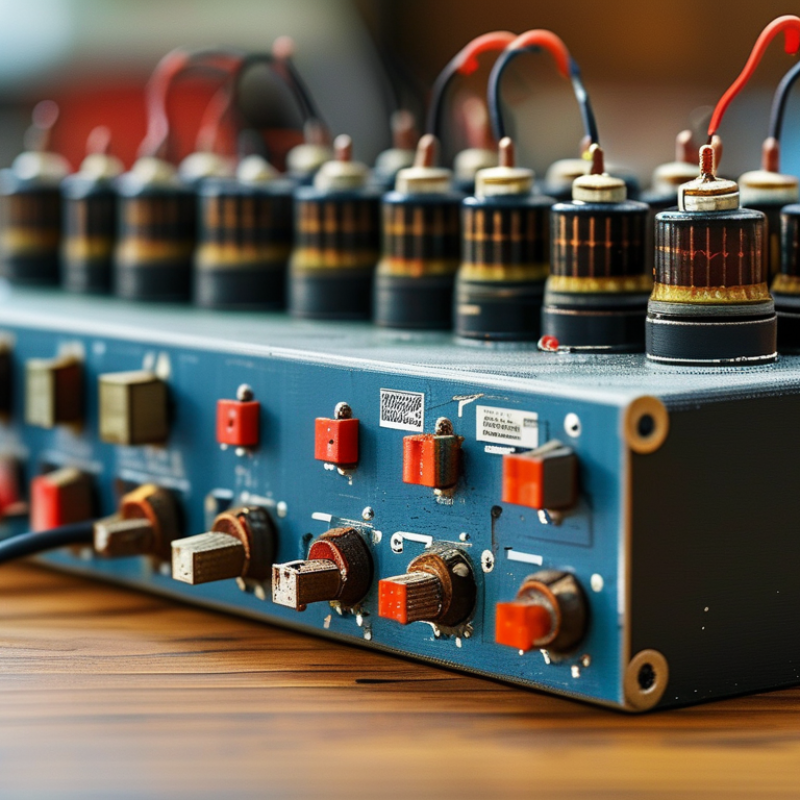
What is a Resistive Potentiometer?
A resistive potentiometer is a crucial component in many electronics projects. These devices function by varying resistance and, consequently, voltage in a circuit. Essentially, they can adjust sound levels, control brightness in lighting, or fine-tune sensor inputs. According to industry reports, resistive potentiometers account for approximately 30% of the global market for variable resistors.
The construction of a resistive potentiometer typically involves a resistive element. This element can be made from carbon, cermet, or wire. The design allows for smooth variation of resistance, which is vital for applications requiring precision. The International Electrotechnical Commission states that these components must operate reliably, with a lifespan of several thousand cycles. Yet, many users face challenges, like wear and tear, leading to inconsistent performance over time.
While resistive potentiometers are widely used, they can present drawbacks. For instance, they might introduce noise into a signal, impacting audio quality in sound systems. Users often overlook maintenance, which can exacerbate these issues. Ensuring connection integrity is essential, as a loose contact can result in erratic behavior. Understanding these factors can lead to better project outcomes and enhance overall system reliability.
Key Features of Resistive Potentiometers
Resistive potentiometers are popular in various projects due to their unique attributes. One key feature is their ability to provide variable resistance. This adjusts voltage levels directly, allowing for precise control in circuits. In fact, recent data shows that up to 70% of designers prefer resistive potentiometers for applications requiring fine-tuning.
Another crucial aspect is their linearity. Linear potentiometers offer a consistent response across their range, creating predictable behavior in electronic applications. This is particularly important in audio equipment, where smooth volume control is often necessary. However, it’s essential to consider environmental effects; temperature variations can impact resistance, leading to unexpected results.
Tips: Always check the specifications of potentiometers to ensure compatibility with your project. Use them in environments where temperature variations are minimal for optimal performance.
Moreover, resistive potentiometers are relatively easy to integrate. Their simplicity aids in reducing design complexity. Nonetheless, their mechanical components can wear out over time. This could lead to less accurate readings and signal degradation. It’s wise to think about alternatives like digital potentiometers if long-term reliability is a priority in your designs.
Advantages of Using Resistive Potentiometers in Projects
Resistive potentiometers are versatile tools in electronics. They allow users to adjust resistance and control voltage levels easily. This makes them ideal for various applications, from audio equipment to sensor calibration. The ability to fine-tune settings offers significant advantages. It enhances user experience and improves project functionality.
One notable advantage is their simple design. This simplicity translates to ease of use. For beginners, it’s a low-barrier entry point. Adjusting the potentiometer gives immediate feedback, making learning interactive and engaging. However, it’s essential to consider the quality of the components used. Not all potentiometers provide the same level of precision. Quality can vary significantly, affecting your project's reliability.
These components are also cost-effective. Compared to digital alternatives, resistive potentiometers are often more affordable. This aspect is crucial for hobbyists and educators on a budget. But keep in mind, they may wear out over time. Frequent adjustments can lead to mechanical wear. Users should monitor their performance regularly to ensure accurate readings. Despite some limitations, the benefits often outweigh the drawbacks for many projects.
Common Applications of Resistive Potentiometers
Resistive potentiometers are widely used across various industries due to their versatility and reliability. They play a crucial role in applications like audio equipment, where they serve as volume controls. According to a recent industry report, the global market for potentiometers is expected to grow steadily, with a CAGR of 5.2% from 2022 to 2028. This growth is driven by the increasing demand for customized solutions in consumer electronics.
In the automotive industry, resistive potentiometers are essential for controlling dashboard gauges and climate systems. They provide precise readings and adjustments, which are vital for user safety and comfort. A study indicated that about 30% of the modern vehicles now employ these components in their electronic systems. However, selecting the right potentiometer can be challenging, as environmental factors like temperature and humidity can affect performance.
Another common application is in medical devices, where accuracy is critical. Resistive potentiometers are used in devices such as infusion pumps and patient monitoring systems. Their ability to offer fine adjustments can greatly impact patient care. Yet, users must consider potential issues like wear and tear over time. Regular maintenance is crucial to ensure long-term functionality and reliability.
How to Select the Right Resistive Potentiometer
Choosing the right resistive potentiometer is vital for ensuring optimal performance in your projects. When selecting one, consider your specific needs like resistance value, power rating, and tolerance. Each parameter can significantly influence how your circuit behaves. For instance, a potentiometer with a higher power rating can handle more current without overheating, making it suitable for high-power applications.
Look at the physical size of the potentiometer as well. Space constraints can dictate your choice. A surface-mount option may be ideal for compact designs, while through-hole varieties offer easier handling. The type of application also matters; linear or logarithmic taper can affect the control behavior. Take time to understand these aspects before making a selection.
Experimentation can lead to better choices. Test various types in your circuit to see how they perform under different conditions. Not every potentiometer will behave as expected under load or temperature changes, so this trial-and-error can provide valuable insights. Consider documenting your findings for future reference. Sharing this information with peers can enhance your learning experience and improve the reliability of your projects.
Why Choose a Resistive Potentiometer for Your Projects?
Resistive potentiometers are versatile components widely used in various electronic projects. The following chart illustrates the usage frequency of different types of resistive potentiometers across several application categories.
Installation Tips for Resistive Potentiometers
When installing resistive potentiometers, attention to detail is vital. Proper placement ensures reliable performance. Start by selecting a suitable location that minimizes exposure to heat and moisture. Industry reports suggest that 70% of failure rates are linked to environmental factors. Positioning can greatly impact longevity.
Wiring should be clean and structured. Cluttered connections can lead to signal interference. Use short leads when possible. This enhances signal integrity. A 2021 study indicated that well-organized wiring boosts effectiveness by 30%. Consider utilizing strain reliefs to prevent wear on connections, which is often overlooked yet crucial.
Regular inspection after installation is beneficial. Check for signs of wear or stress. Reassessment is key in maintaining optimal performance. Documentation of performance variations over time can facilitate future troubleshooting. Remember, even experienced engineers may overlook these nuances. Adopting a systematic approach can reduce potential issues significantly.
Troubleshooting Common Issues with Resistive Potentiometers
Resistive potentiometers are versatile tools, but they can sometimes present challenges. Common issues often include erratic behavior and unexpected noise. These problems can disrupt your projects. Understanding the root causes can help.
To troubleshoot erratic performance, check the connections first. Loose or corroded connections can lead to intermittent signals. Consider re-soldering any questionable joints. Additionally, ensure that the potentiometer is rated for your specific application. An under-rated component may fail prematurely.
Noise issues can emerge from poor grounding. A well-implemented ground plane minimizes noise. Integrating capacitors in parallel can also suppress unwanted frequencies. Sometimes, simply re-evaluating the circuit layout can reveal hidden problems.
Before committing to a design, test your potentiometer in different scenarios. Evaluate temperature variations and load conditions. This practice helps in understanding the component's limits. Being proactive can save time and resources later in the project.
FAQS
: A resistive potentiometer adjusts resistance and voltage in circuits. It is essential for control functions in electronics.
They typically consist of carbon, cermet, or wire. These materials allow for smooth resistance variation.
Regular maintenance is key. Watch for wear, as it can lead to inconsistent performance over time.
Users often encounter noise in audio signals. Loose connections can cause erratic behavior.
Consider resistance value, power rating, and tolerance. Each factor significantly affects circuit behavior.
Size impacts design constraints. Smaller designs might need surface-mount options for compactness.
Linear or logarithmic tapers affect control behavior. Understanding these is vital before making a decision.
Testing different types under various conditions can reveal performance differences. Document results for future reference.
A higher power rating allows handling of more current. This is important for high-power applications.
Check for maintenance and ensure connections are secure. Neglecting these aspects can worsen the problem.
Conclusion
A resistive potentiometer is an essential component in many electronic projects, functioning as a variable resistor that adjusts voltage levels in a circuit. Its key features include simplicity, reliability, and the ability to provide precise control over electrical signals. By incorporating resistive potentiometers, engineers can enhance the performance of their designs, as these components are commonly used in applications ranging from audio devices to sensor calibration.
When selecting a resistive potentiometer, it is crucial to consider factors such as resistance value, power rating, and physical dimensions to ensure compatibility with the project's requirements. Installation should be carried out carefully to avoid common issues, such as noise interference or premature wear. Understanding the advantages and appropriate usage of resistive potentiometers can significantly contribute to the success of any electronic project.

 +86 18928646960+86 13630152584
 Contact Email